The first day of our tour started early in the morning. We woke up at around 5:30, quickly showered (no wasting of water in Cape Town!), got ready, and went to the hotel dining room for breakfast at 6:30. The breakfast was a buffet with a plethora of choices - I had an omelette with ham, bacon, onions, mushrooms and peppers; Todd had fruit, yogurt, baked eggs and bacon. The tour was scheduled to start at 7:15, so after breakfast we went to a meeting room on the first floor of the hotel to kick things off. It began with us meeting our tour manager, Belinda, and the other members of the tour. Over the next 45 minutes Belinda ran through introductions, covered the tour logistics, and answered some initial questions. The meeting wrapped up several minutes before 8; after a quick detour to our room to grab a sweater and camera we rejoined the group on the tour bus which had pulled up in front of the hotel. We had been assigned a seat at the back right side of the bus; the seat assignments rotated on a fixed schedule to prevent seating conflicts during the tour.
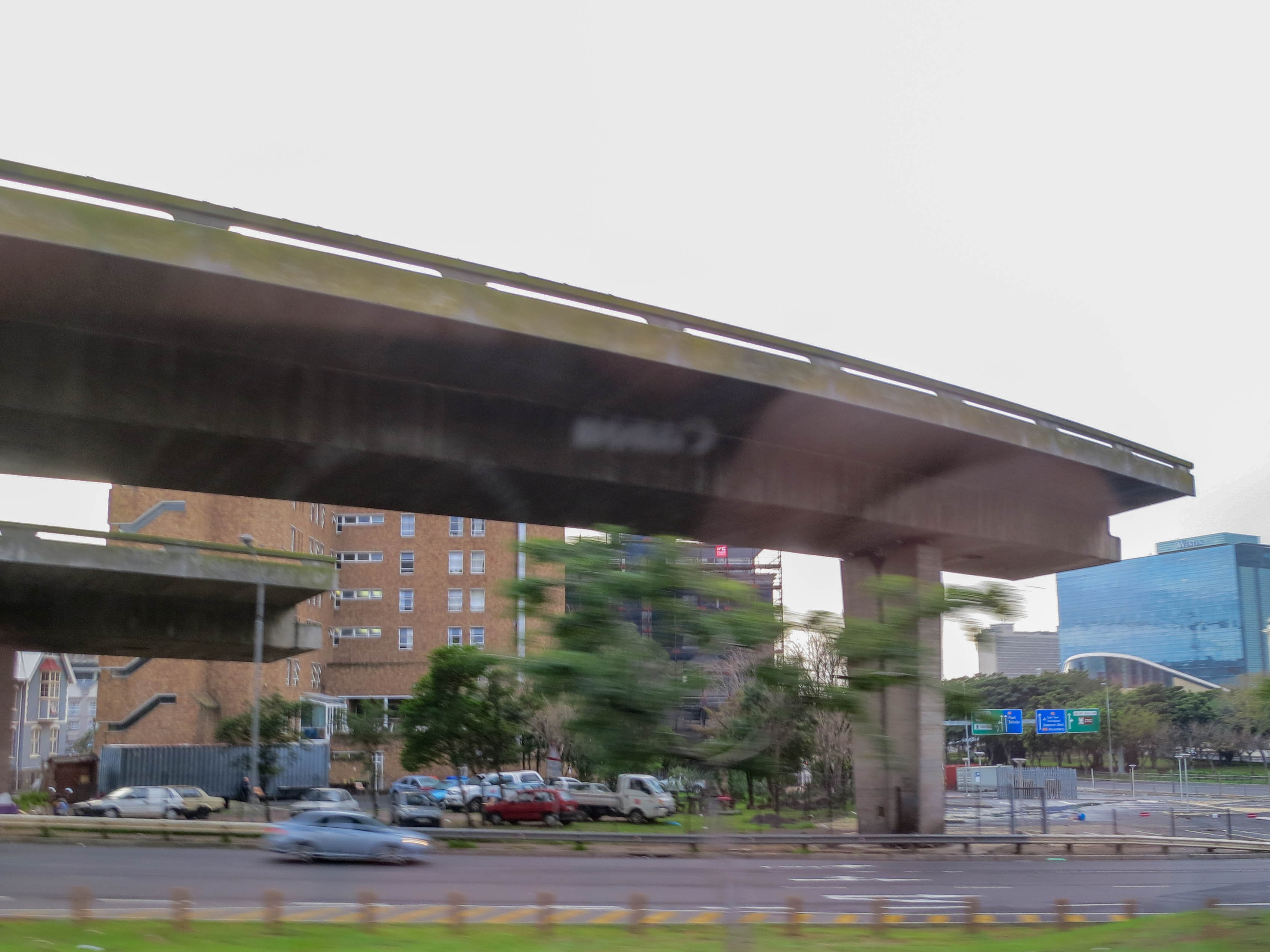
We passed by the Foreshore Freeway Bridge while driving through Cape Town - it is also known as Cape Town's Unfinished Bridge
The itinerary of the day took us on a tour of the Cape Peninsula, which began by driving up and around Signal Hill on Victoria Road. Driving on Victoria Road past the V&A Waterfront and Sea Point towards Camps Bay gave us fantastic views of the Atlantic Ocean, as the road follows the coast very closely. We drove past a number of beautiful houses that were nestled into the side of Signal Hill. Our first stop was at Maiden’s Cove, where we were greeted with expansive views of the Atlantic and Camps Bay beach. We had a few moments to take photos and walk around the beach - shortly after arriving we got back onto the bus and continued driving south, through Camps Bay and Hout Bay. The road changed from Victoria Road into Chapman’s Peak Drive at the end of the town of Hout Bay. As we continued along the Chapman’s Peak Drive we were treated to great views of Hout Bay (a bay off the Atlantic, not the town). We stopped at Lookout Point on Chapman’s Peak, at the southern tip of the bay, where we had an expansive view back towards Hout Bay and the harbour. The lookout wasn’t terribly busy, and we only stopped for a brief time to take some photos. The drive continued along a narrow two lane road that looked to have been blasted out of the rock - there were several points where large metal nets were set up to catch falling rocks. There were several places along the road where we drove through one-sided tunnels that exist to prevent rock slides from obstructing the road. These tunnels reminded me of the snow sheds on the TransCanada highway in BC.
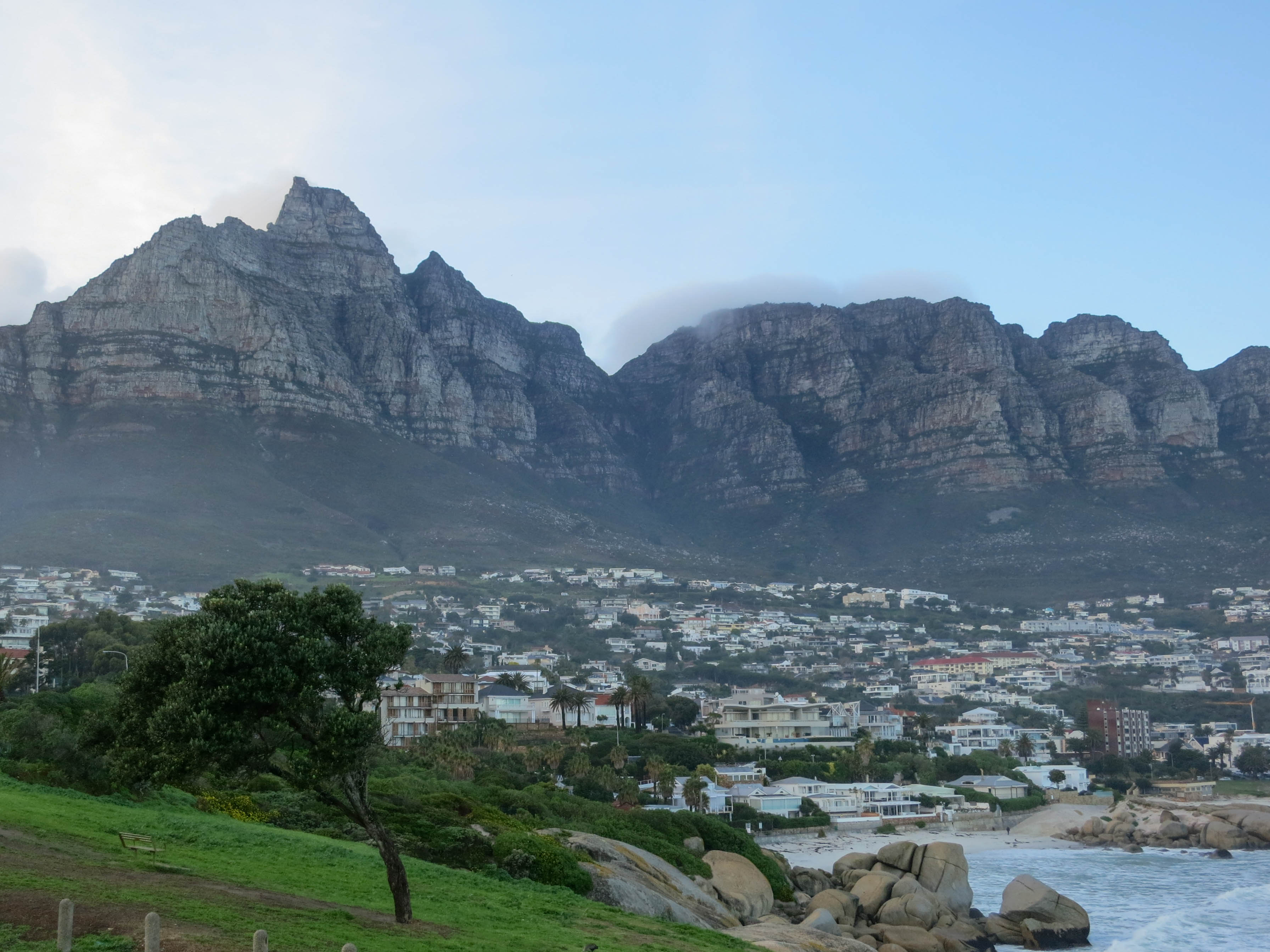
Table Mountain, looming over the town of Camps Bay
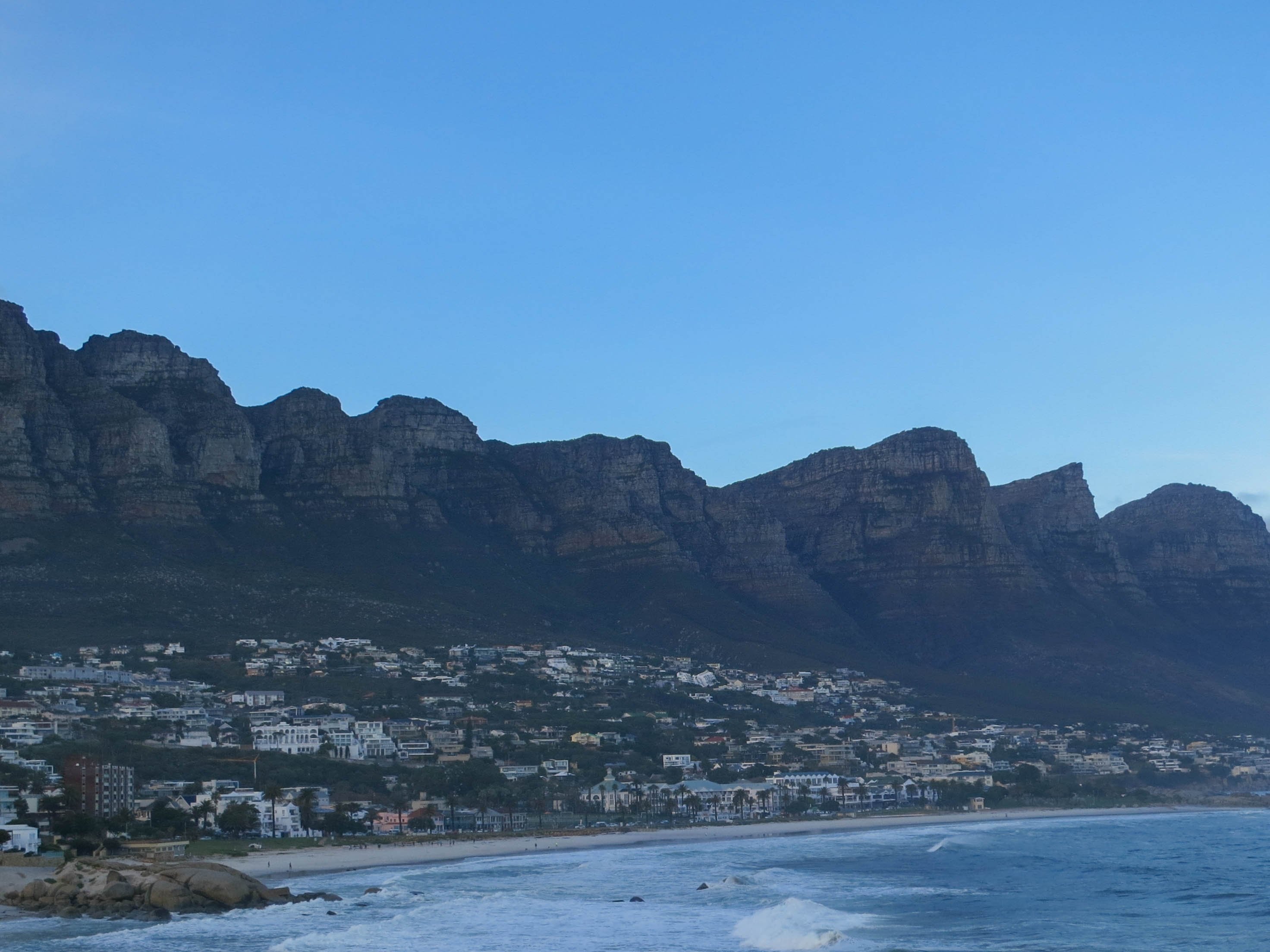
A view towards the mountain range south of Table Mountain - named the Twelve Disciples. Interestingly there are 17 or 18 peaks in the range
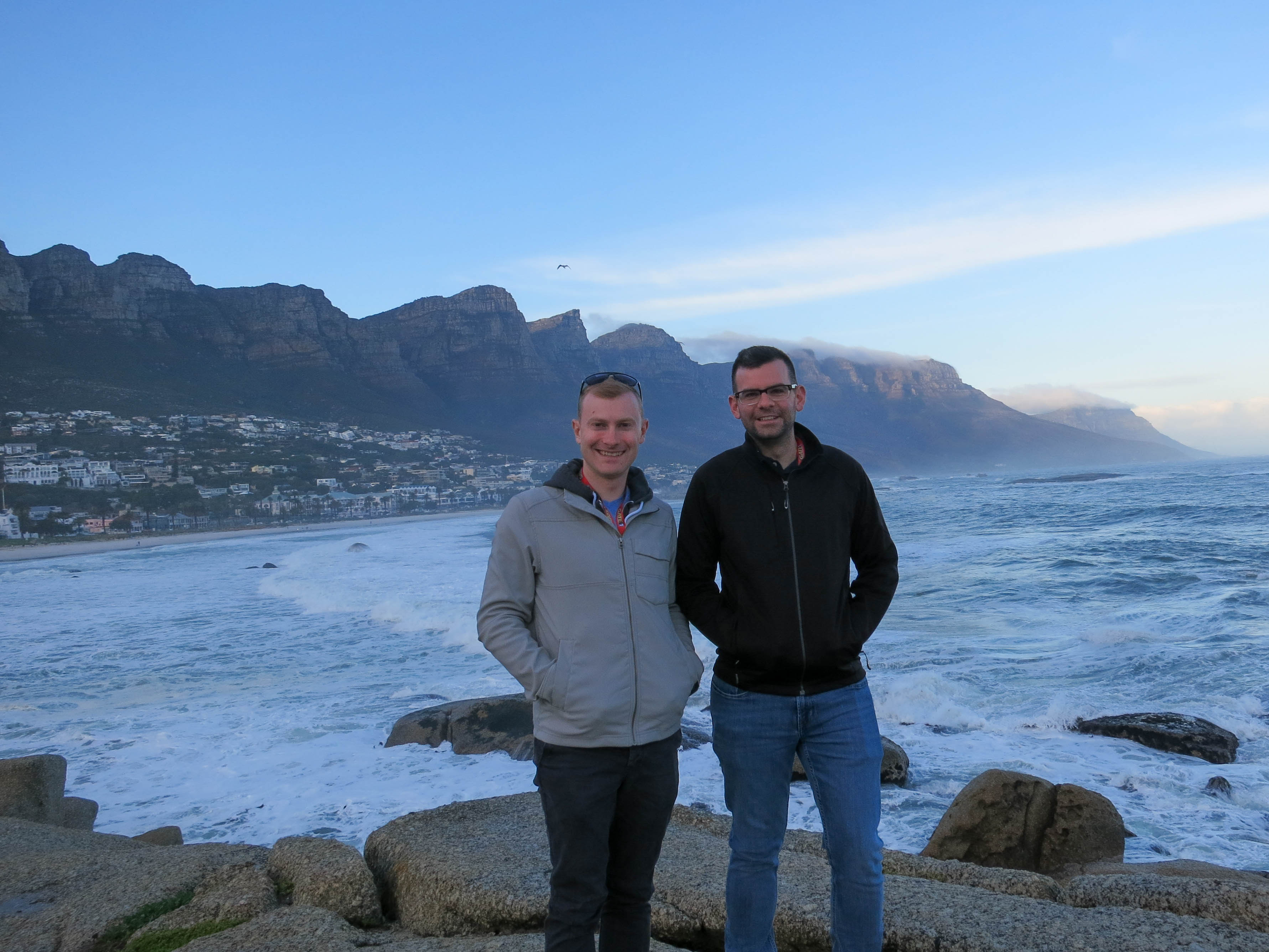
Todd and I with the coastline in the background
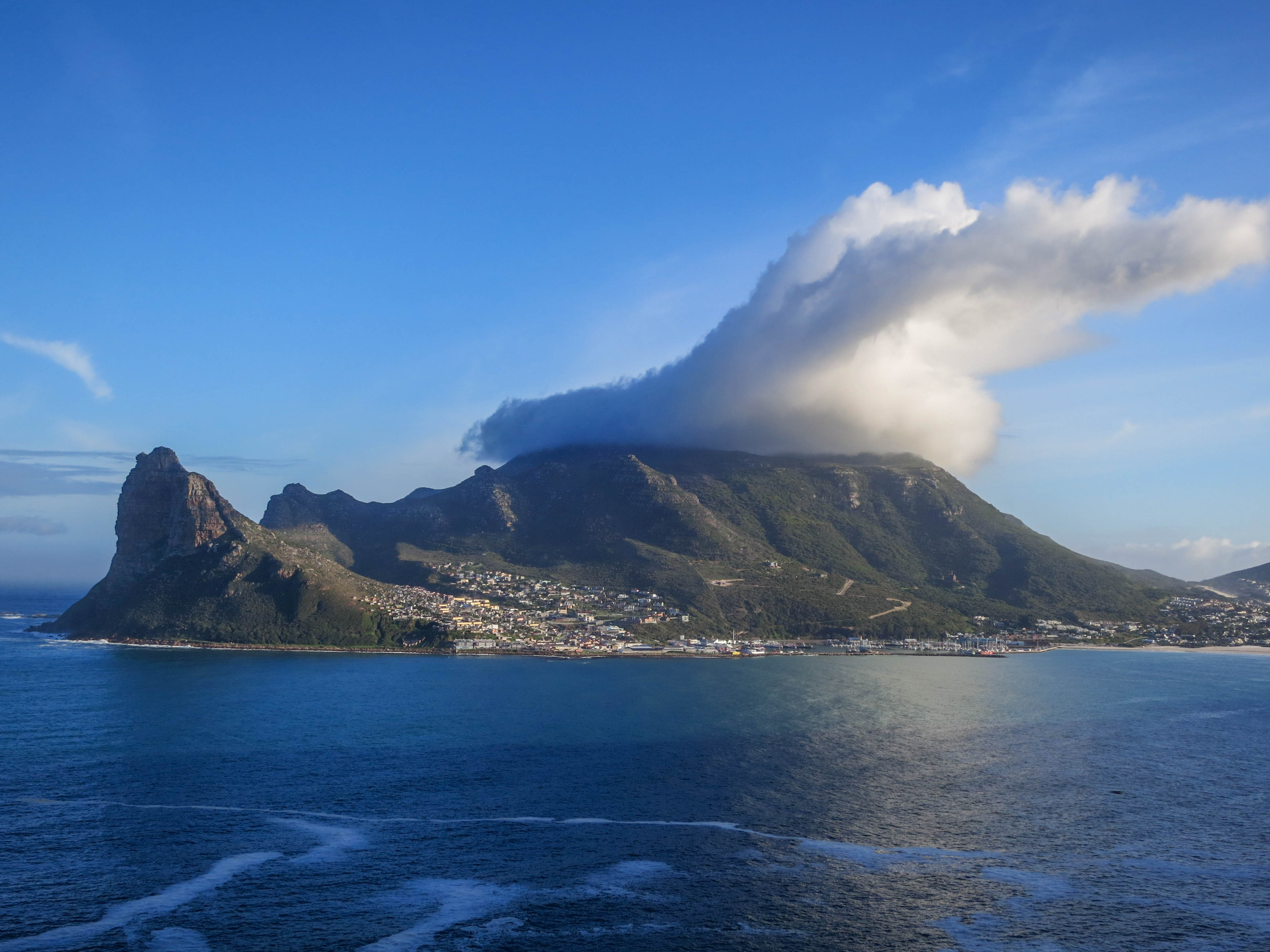
Looking north at Hout Bay from Lookout Point
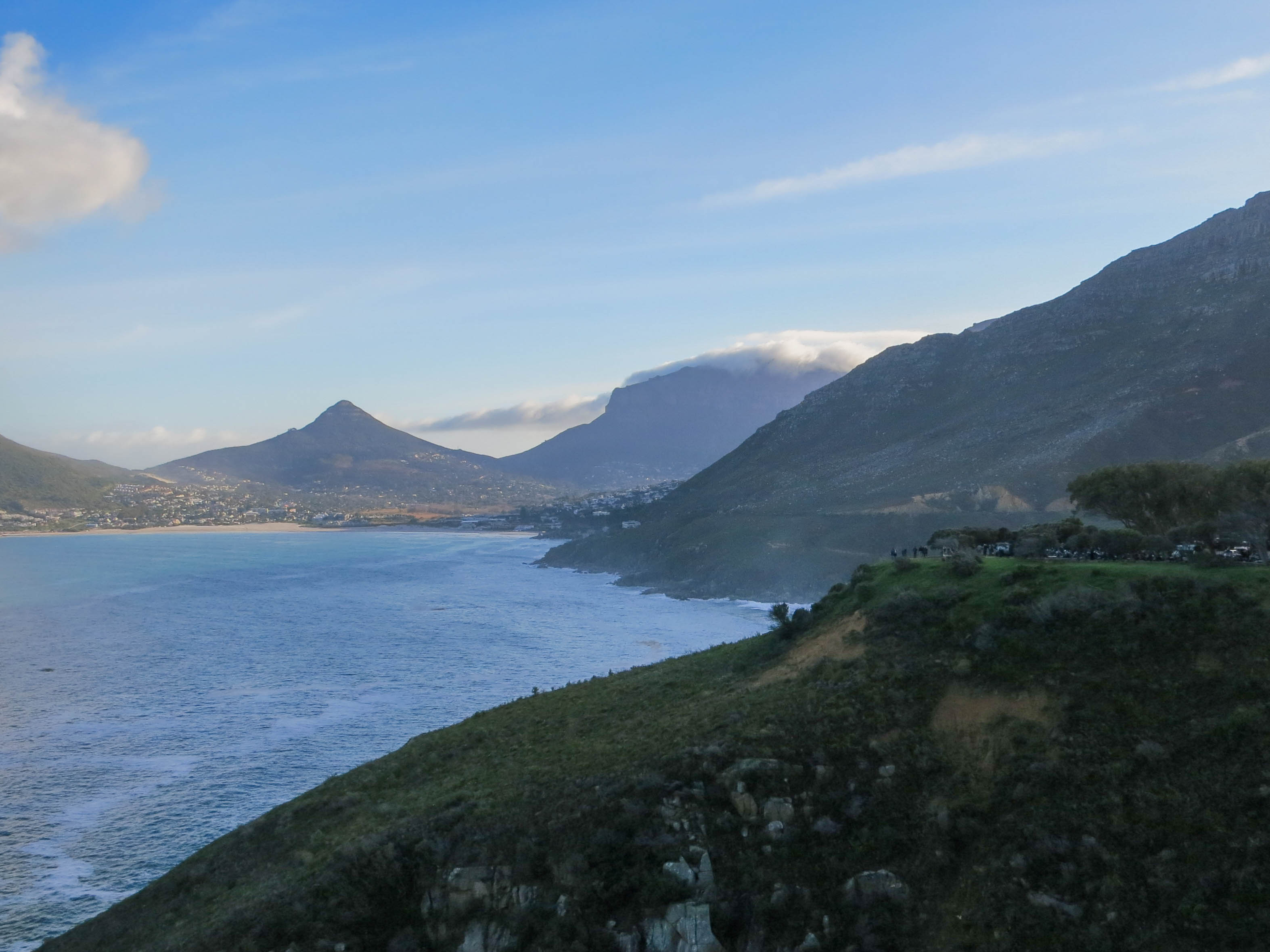
Looking back towards Lookout Point and the town of Hout Bay from Chapman's Peak Drive
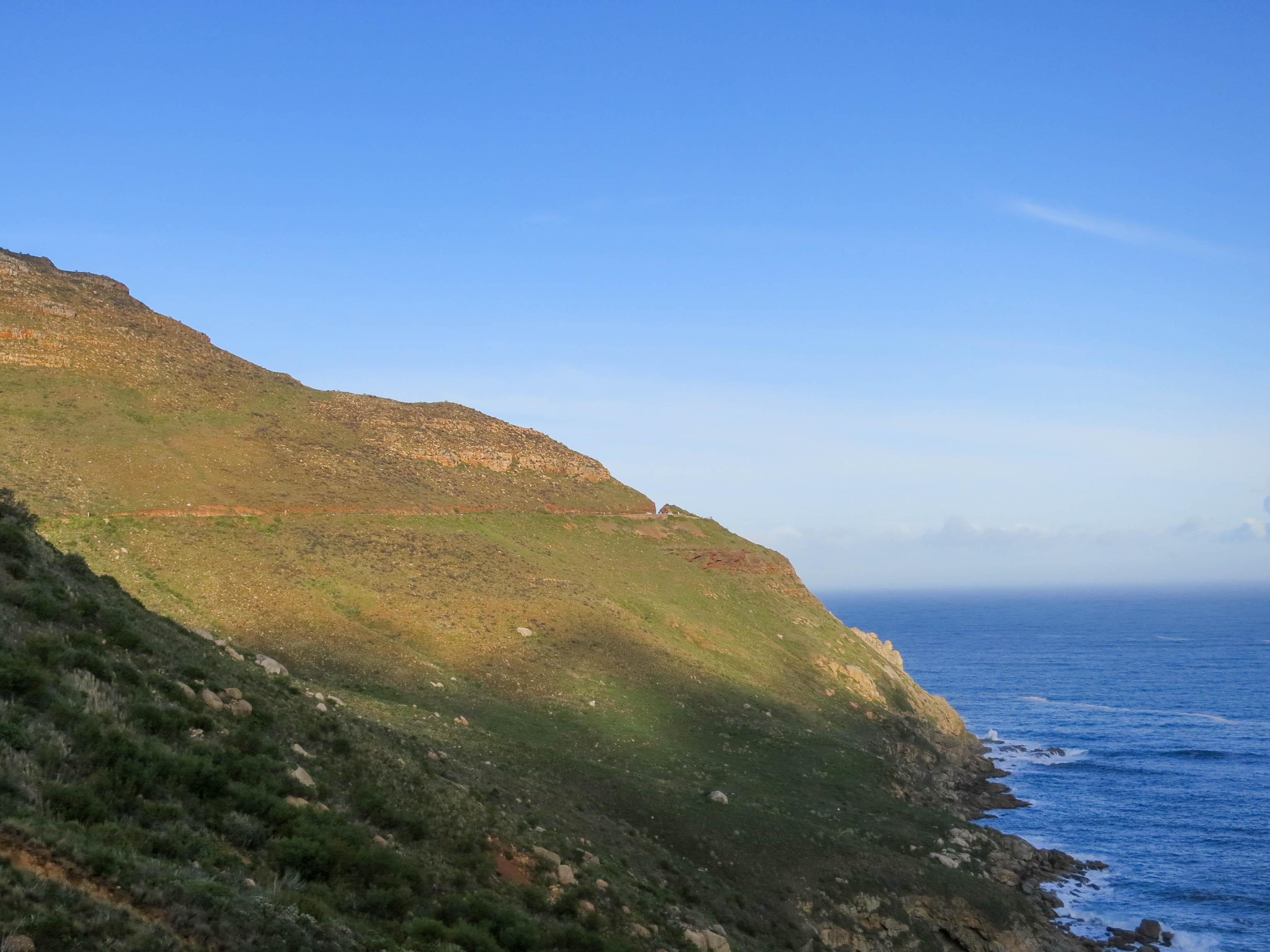
A view of Chapman's Peak Drive right before it turns into the town of Chapman's Peak
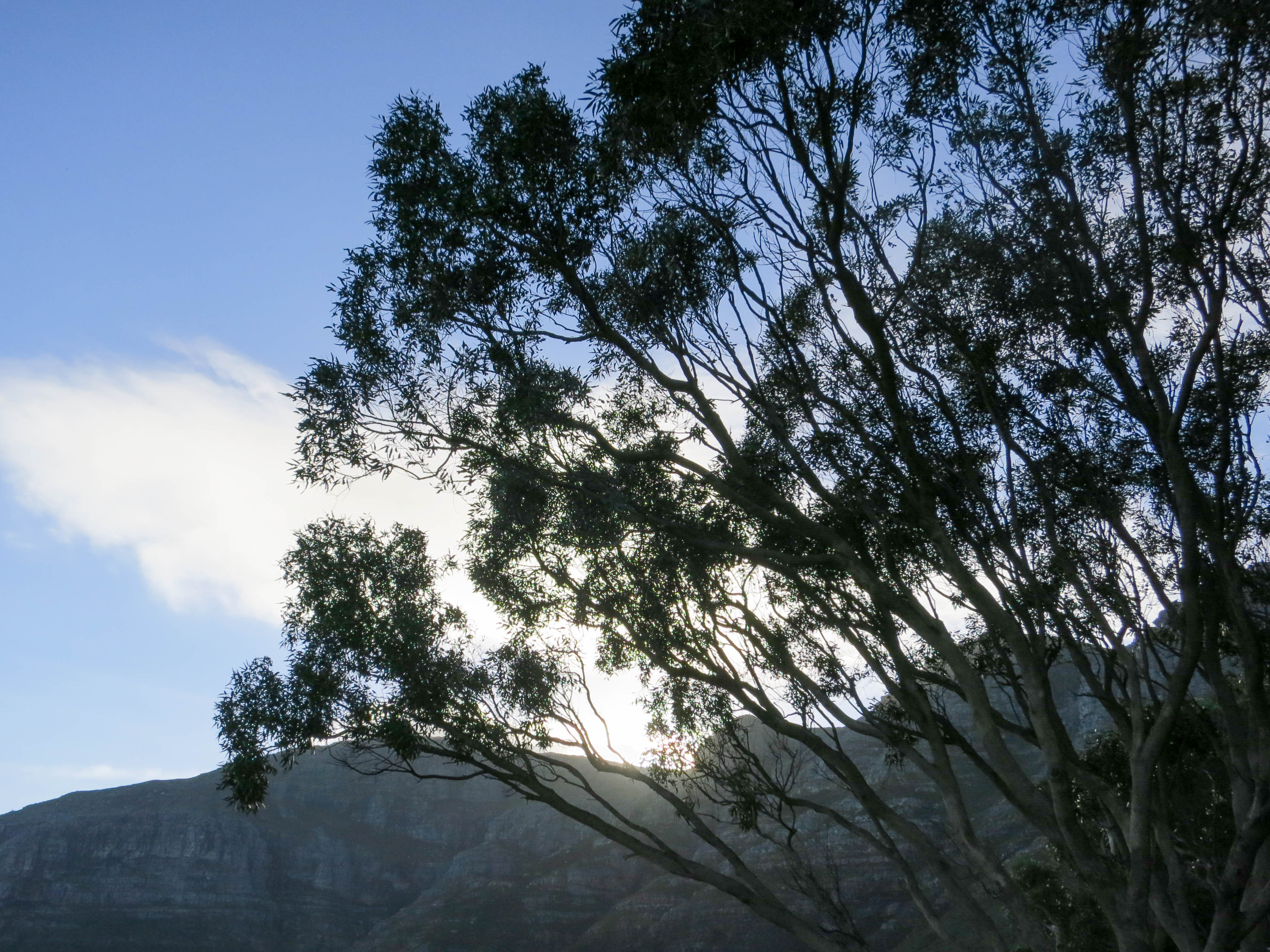
Artsy shot of the sun through the branches of a tree
We reached the end of the Chapman’s Peak Drive in the town of Chapman’s Peak. The bus continued on, driving south and east to cross the peninsula. Out next stop was in Simon’s Town, a port town and harbour located on False Bay. We arrived after a short, 30 minute drive, in a quaint town with a distinct British feel - the British had used this town as their naval base prior to handing it over to the South African Navy in 1957. Today, it is the home of the South African Navy. We got off the bus and briefly explored Jubilee Square at the waterfront of Simon’s Town. A number of Antarctic expeditions had been launched from Simon’s Town in previous centuries, and we saw a plaque dedicated to these expeditions when we walked around Jubilee Square. We next drove on to Boulder’s Beach, on the eastern side of the town. This beach is notable thanks to the colony of African penguins that call it home. The beach has a number of boardwalks built into the sand dunes that allowed us to see the penguins without disturbing their nests. It was quite amusing to watch the penguins waddle around the sand dunes - they looked even funnier when they did their half-run/half jump manoeuvre to get into the water. There were a number of penguin chicks that were still with their parents in various state of molt, it was interesting to see the chicks as they were losing their fuzz.
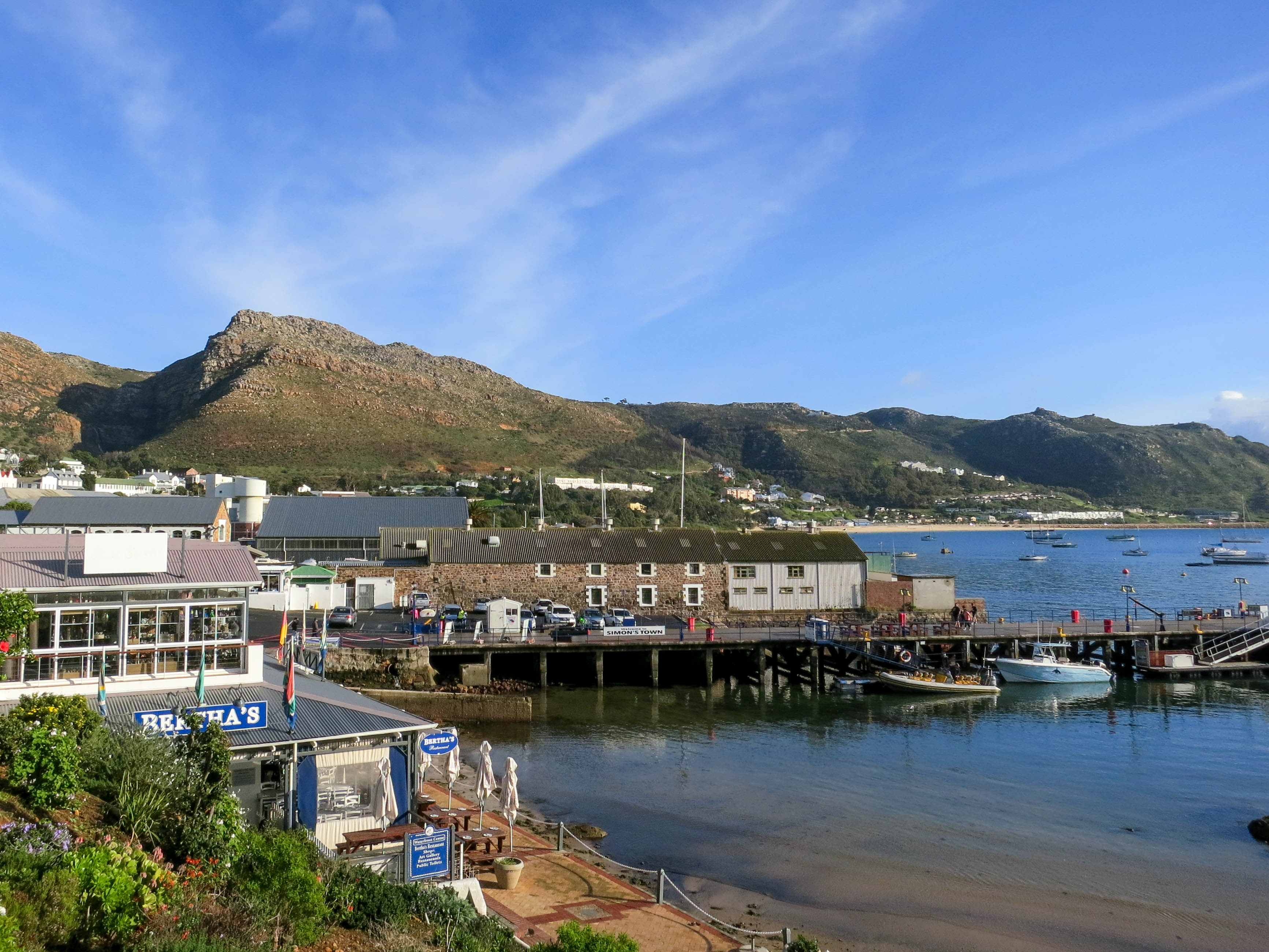
A view of Simon's Town from Jubilee Square
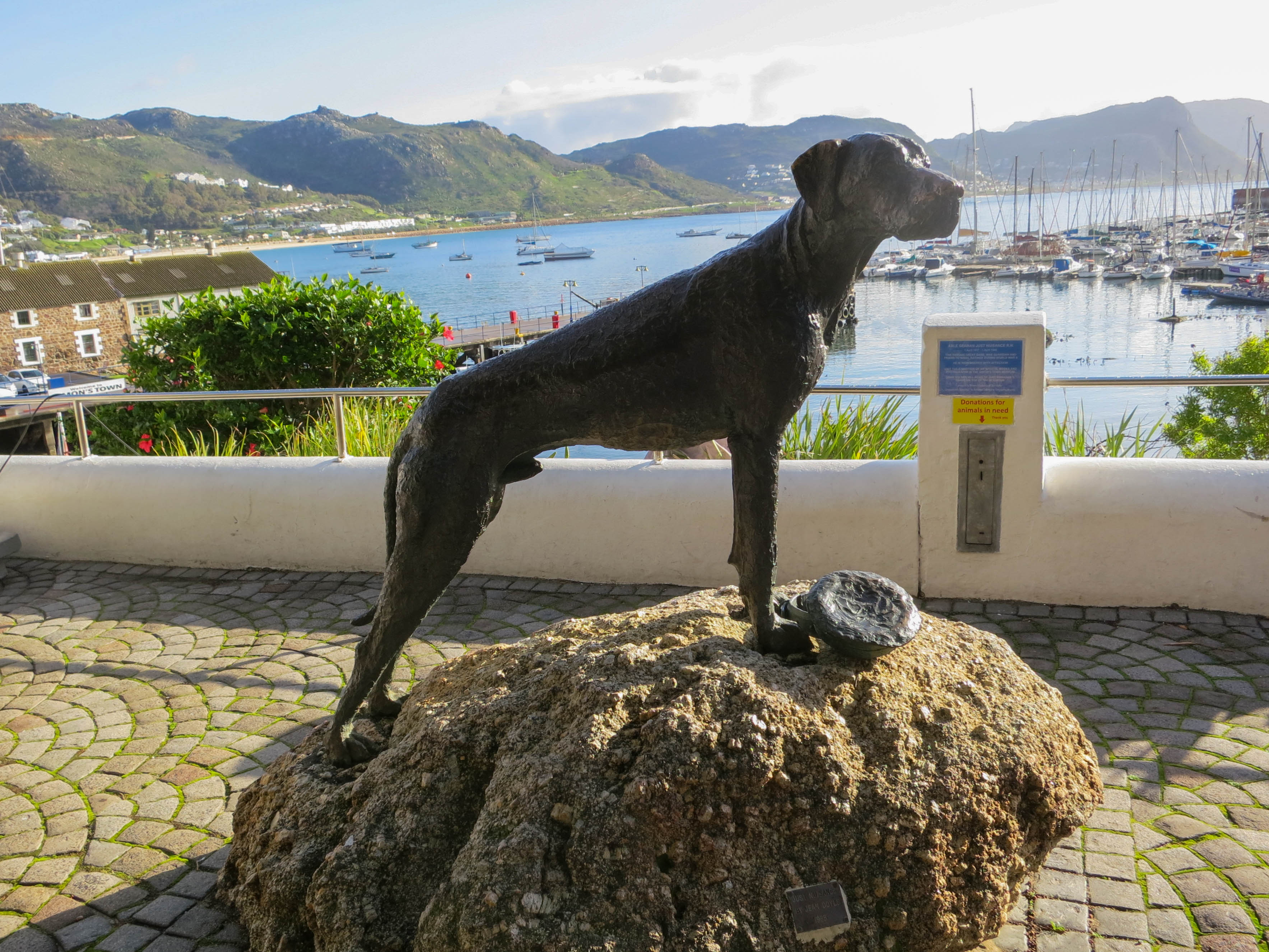
A statue of 'Just Nuisance' - the only dog officially enlisted in the Royal Navy (he held the rank of Able Seaman)
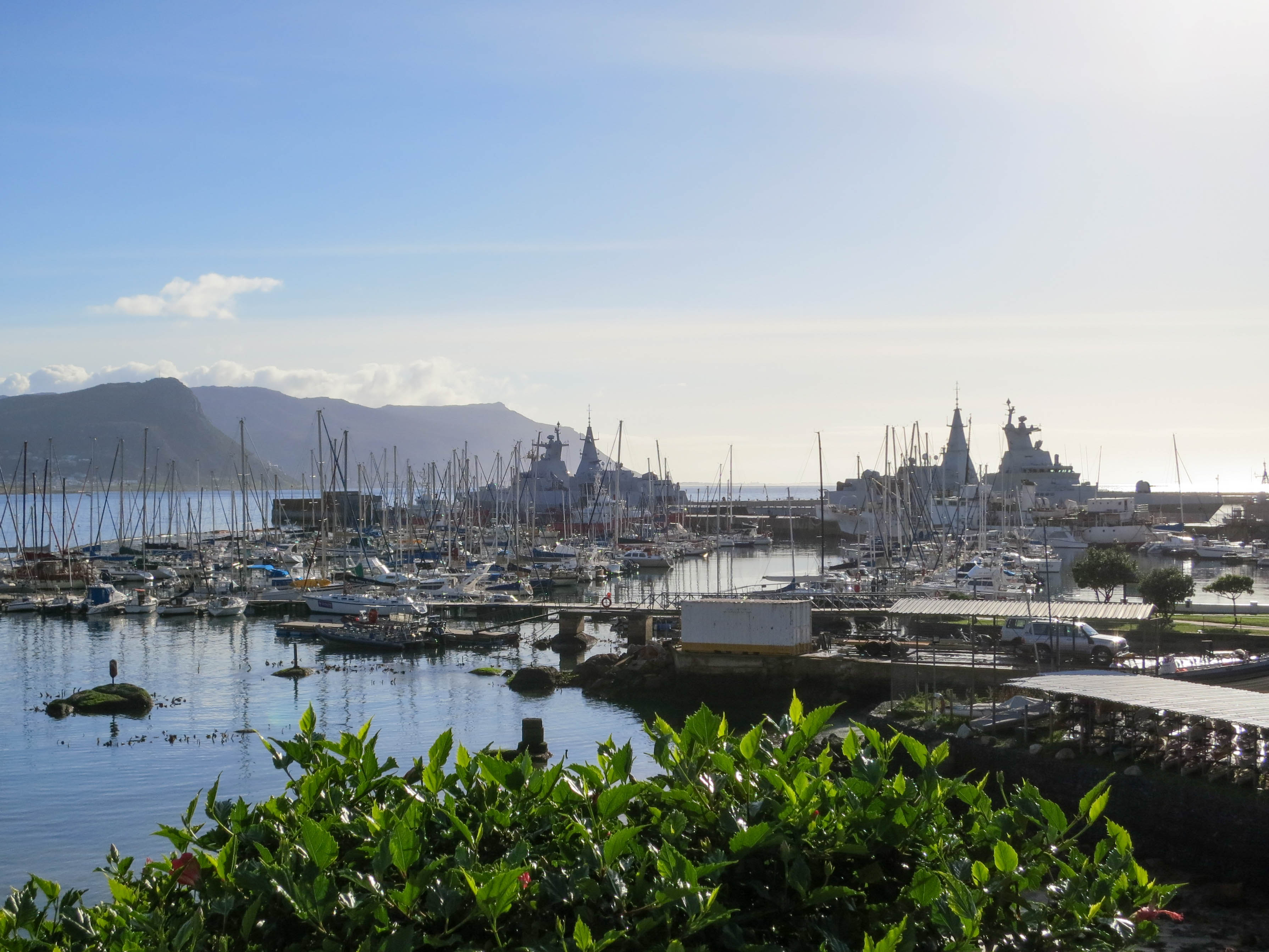
Docks in Simon's Town harbour
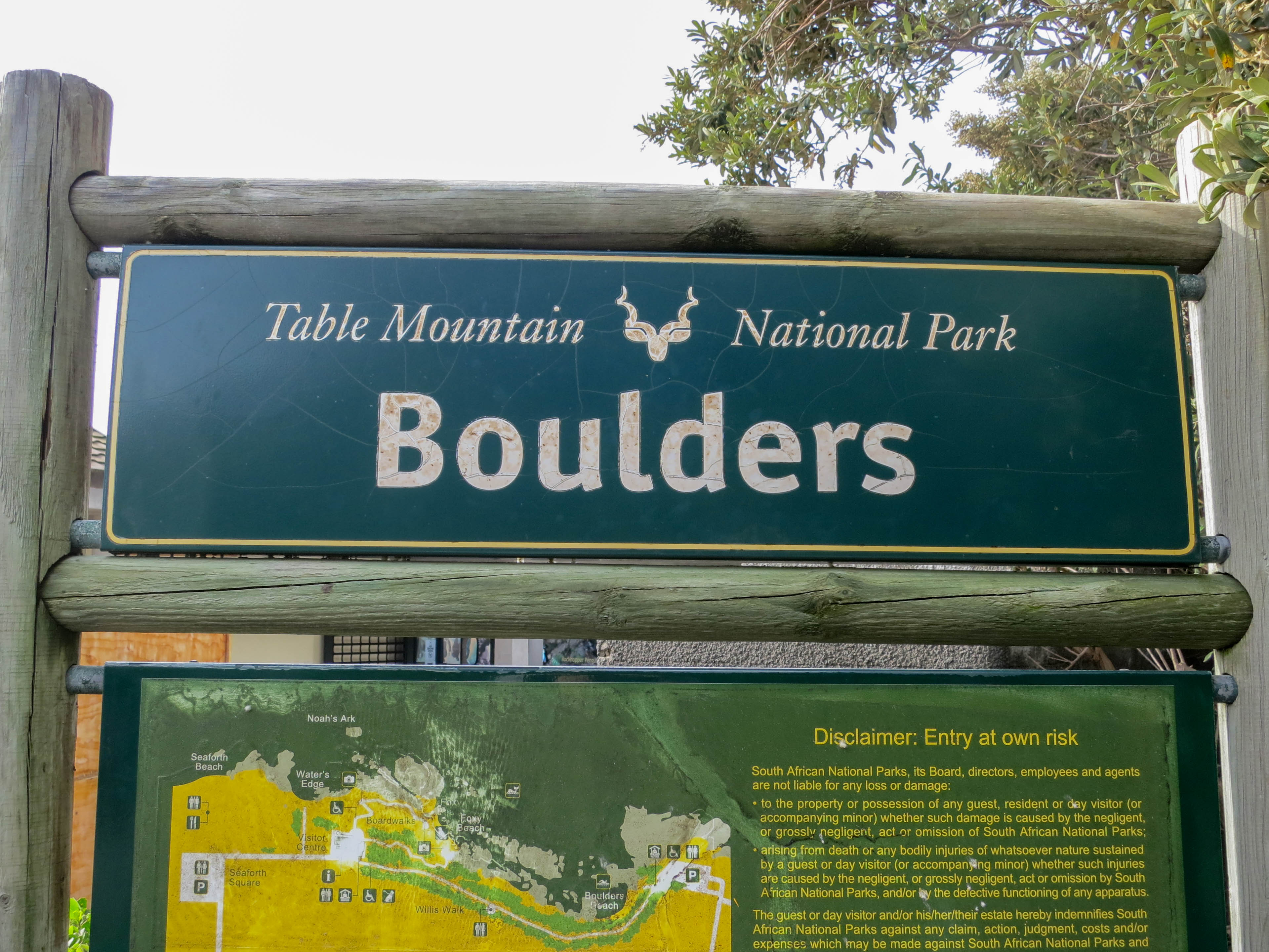
Sign at the entrance to the beach
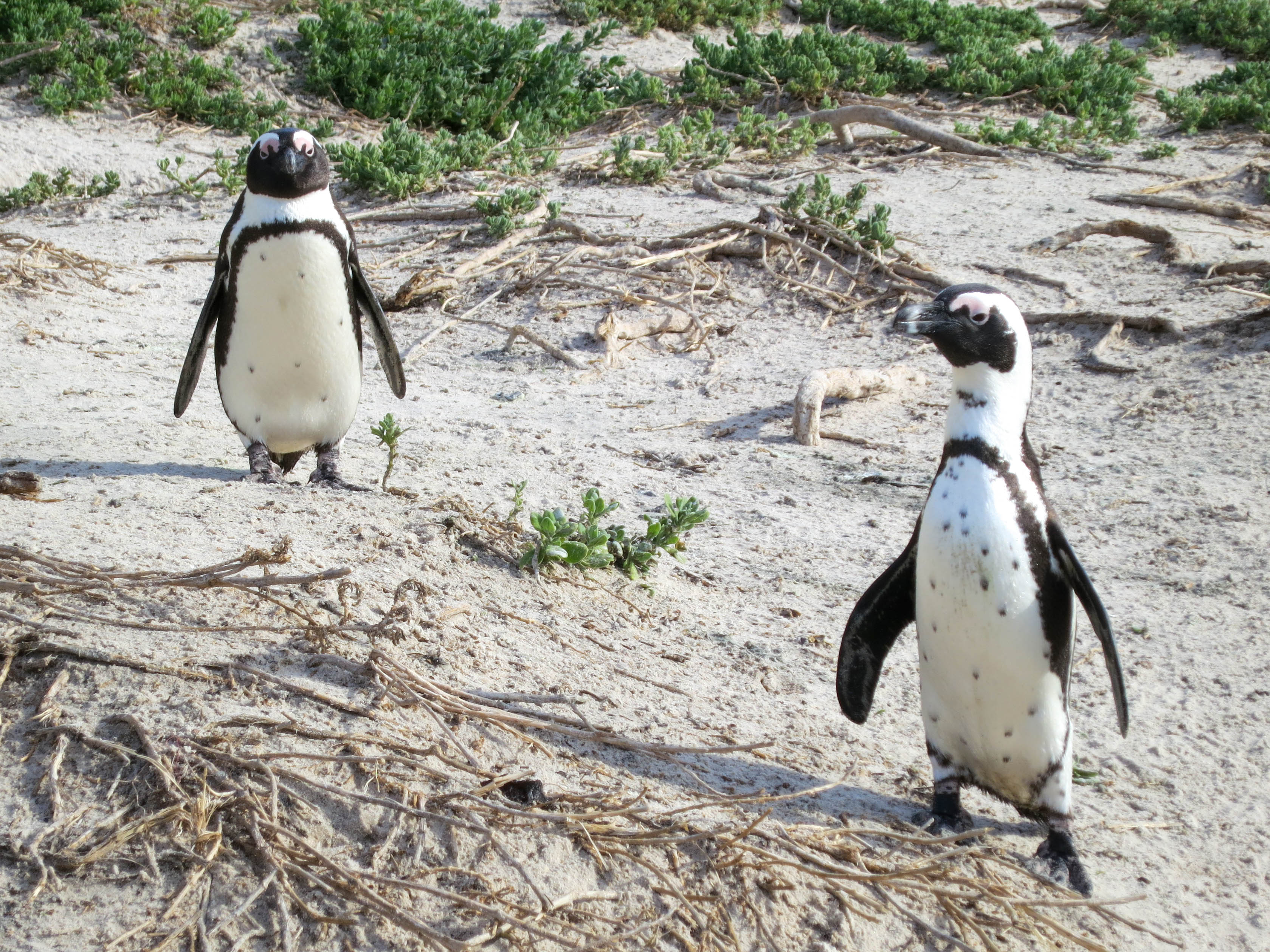
Penguin pals
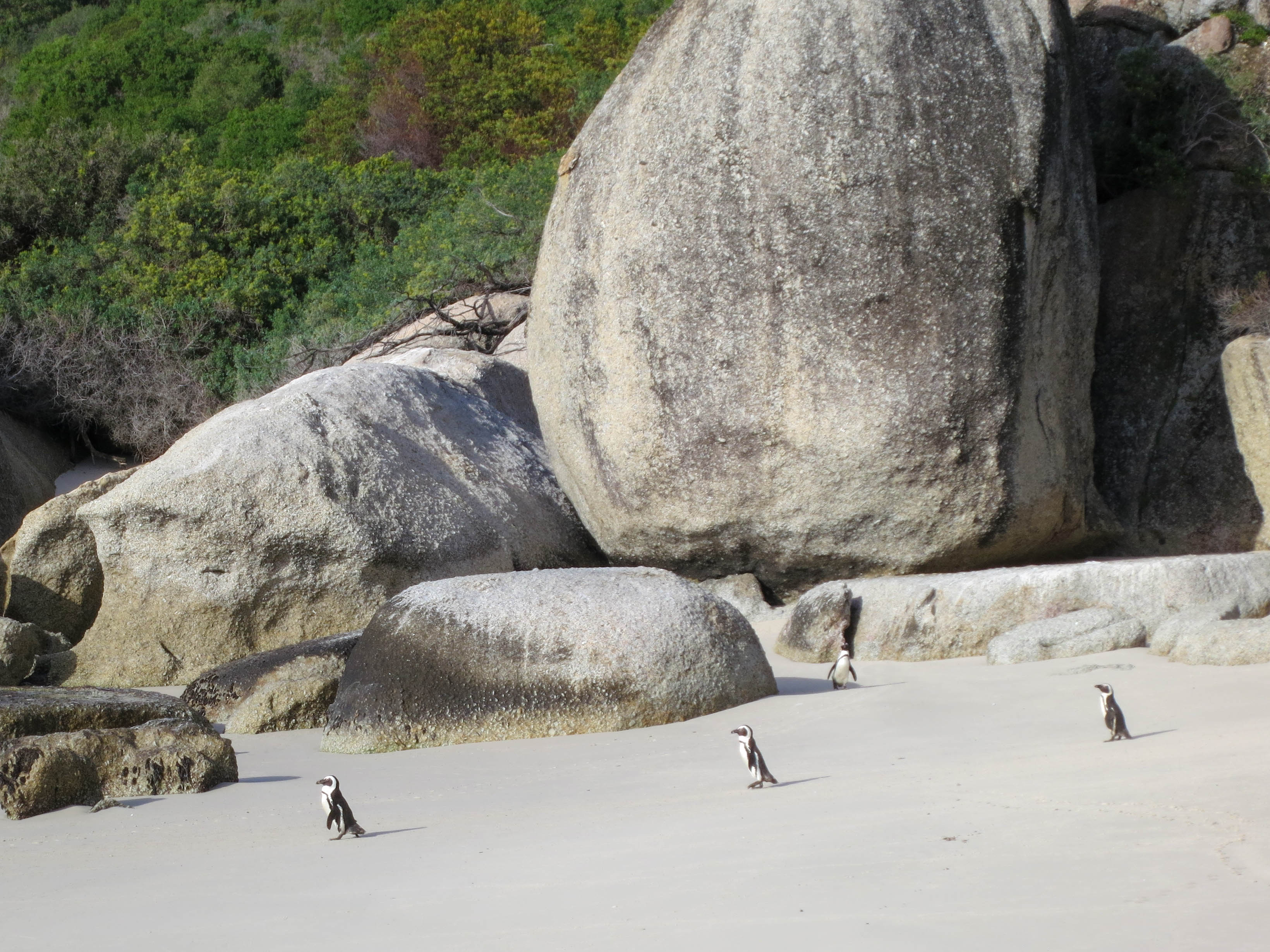
Marching towards the ocean
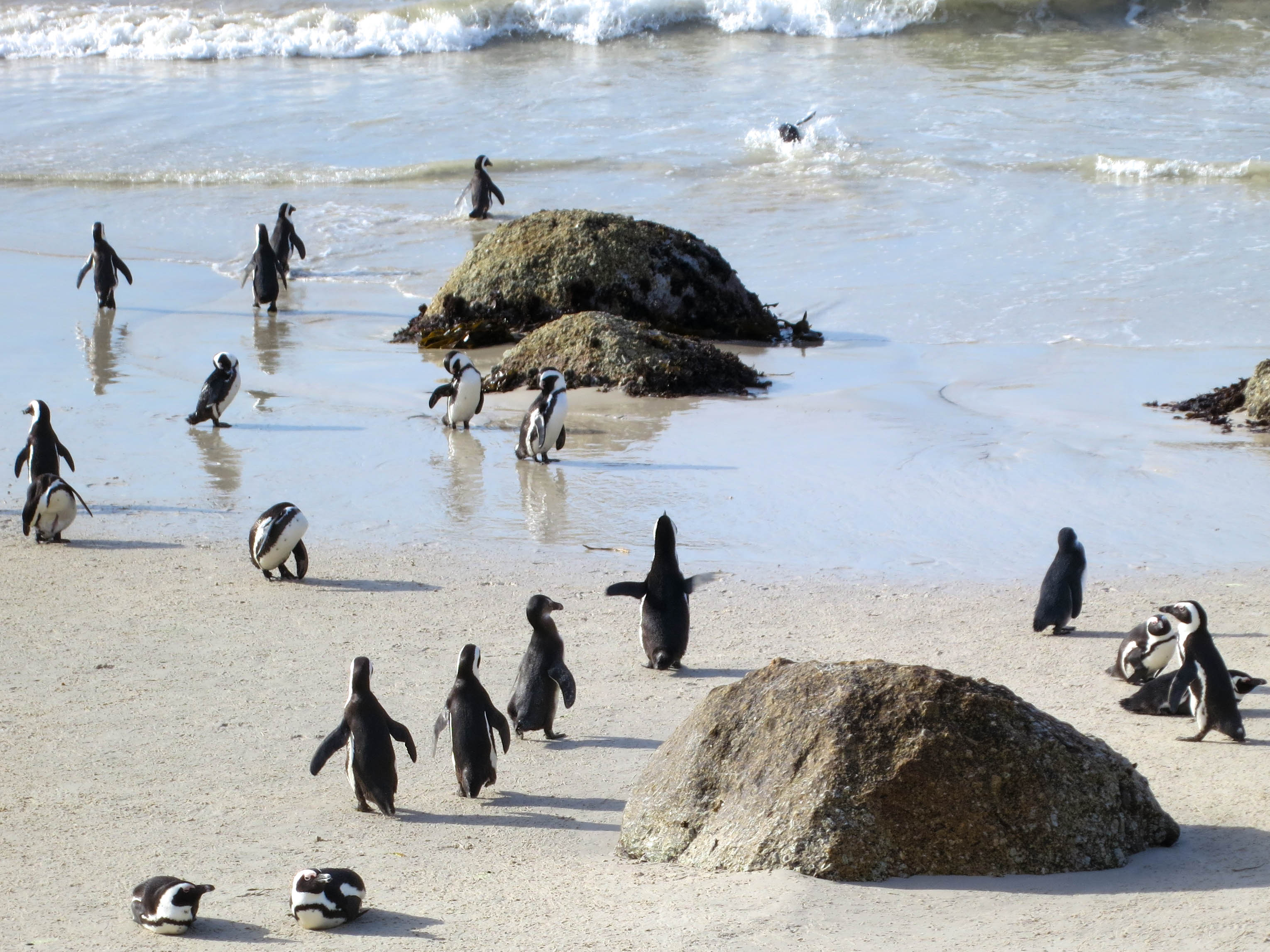
Even penguin beaches are crowded these days
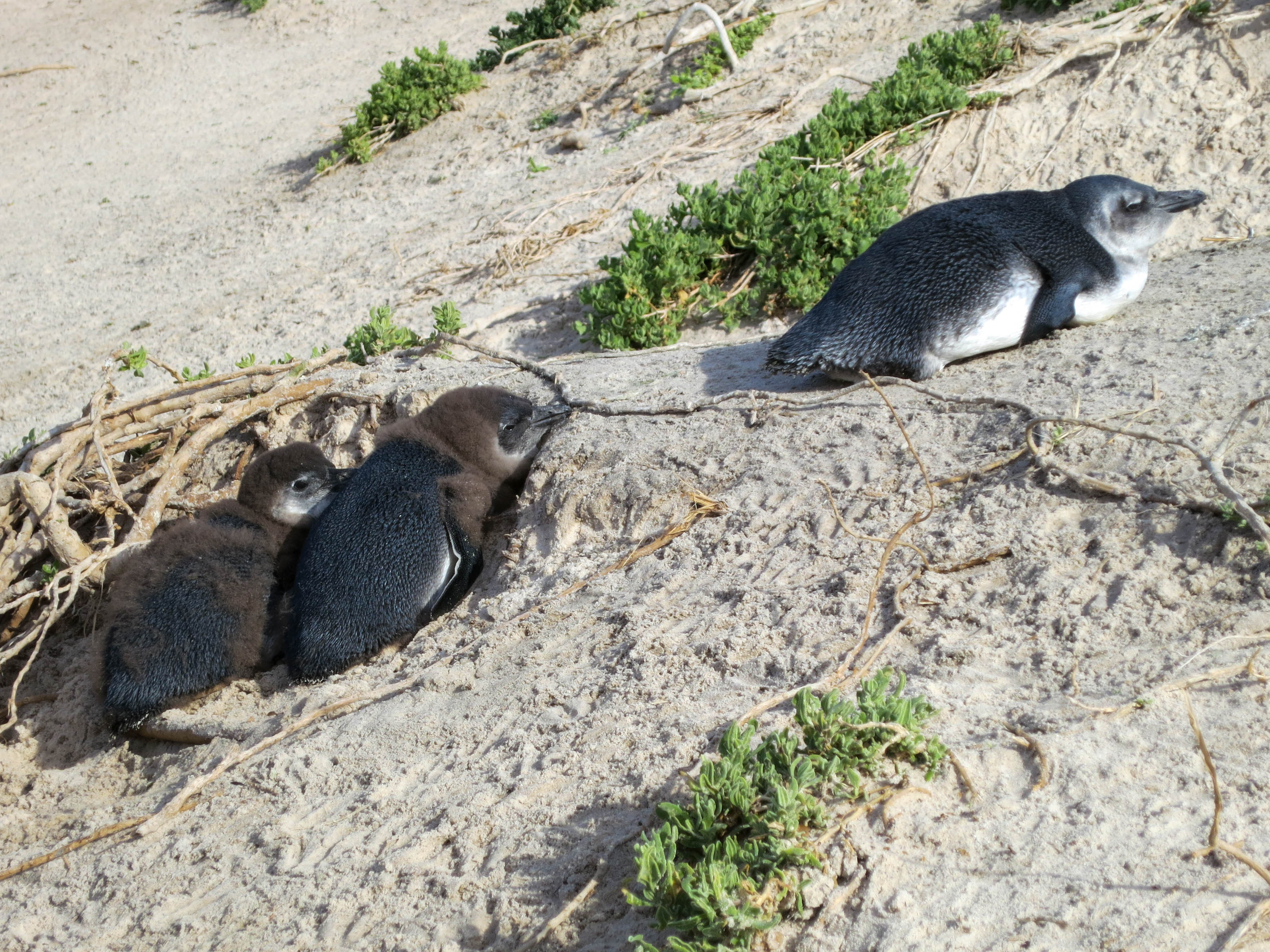
Baby penguins starting to molt
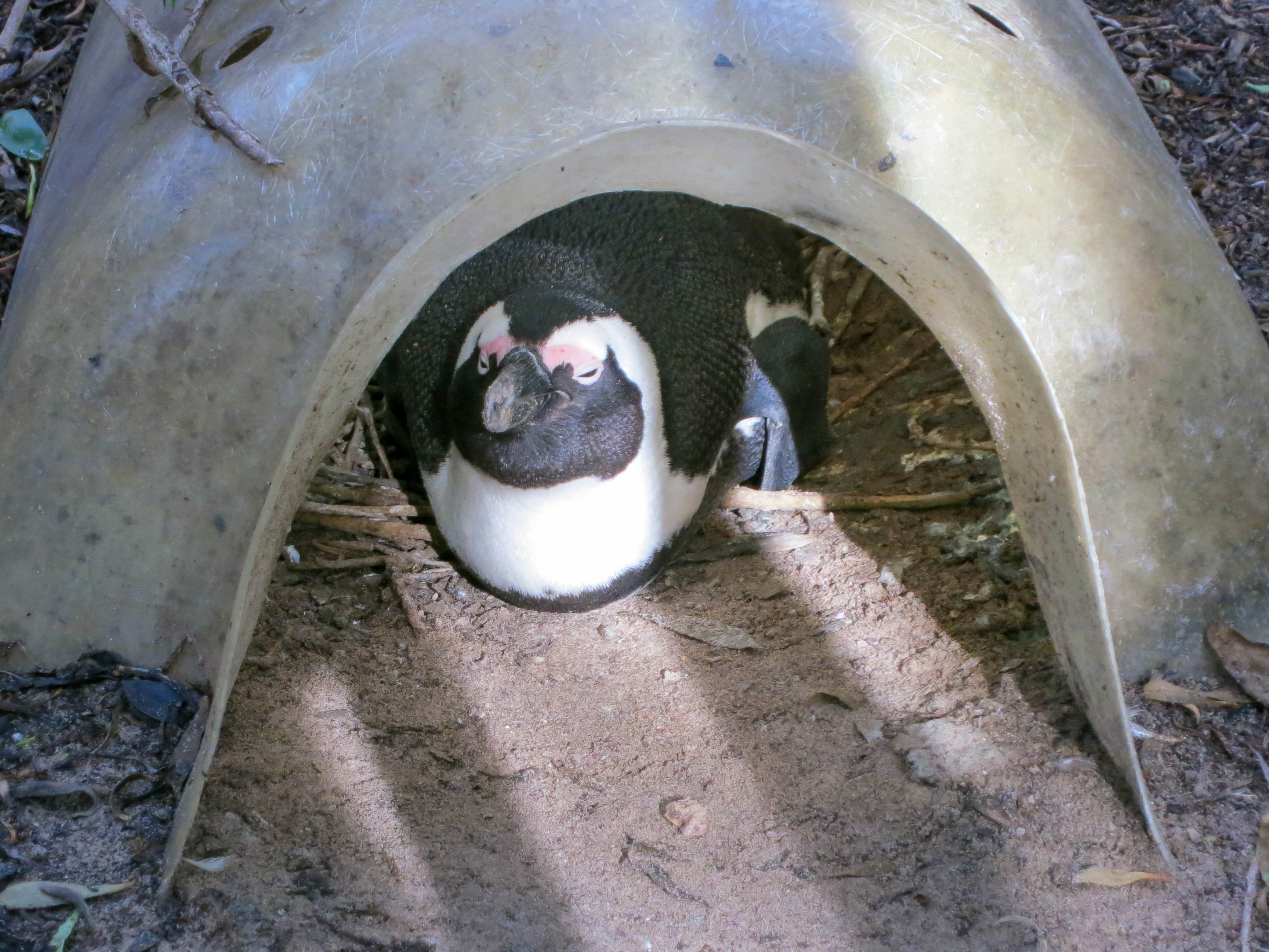
Fibreglass nests provide some protection for penguin eggs
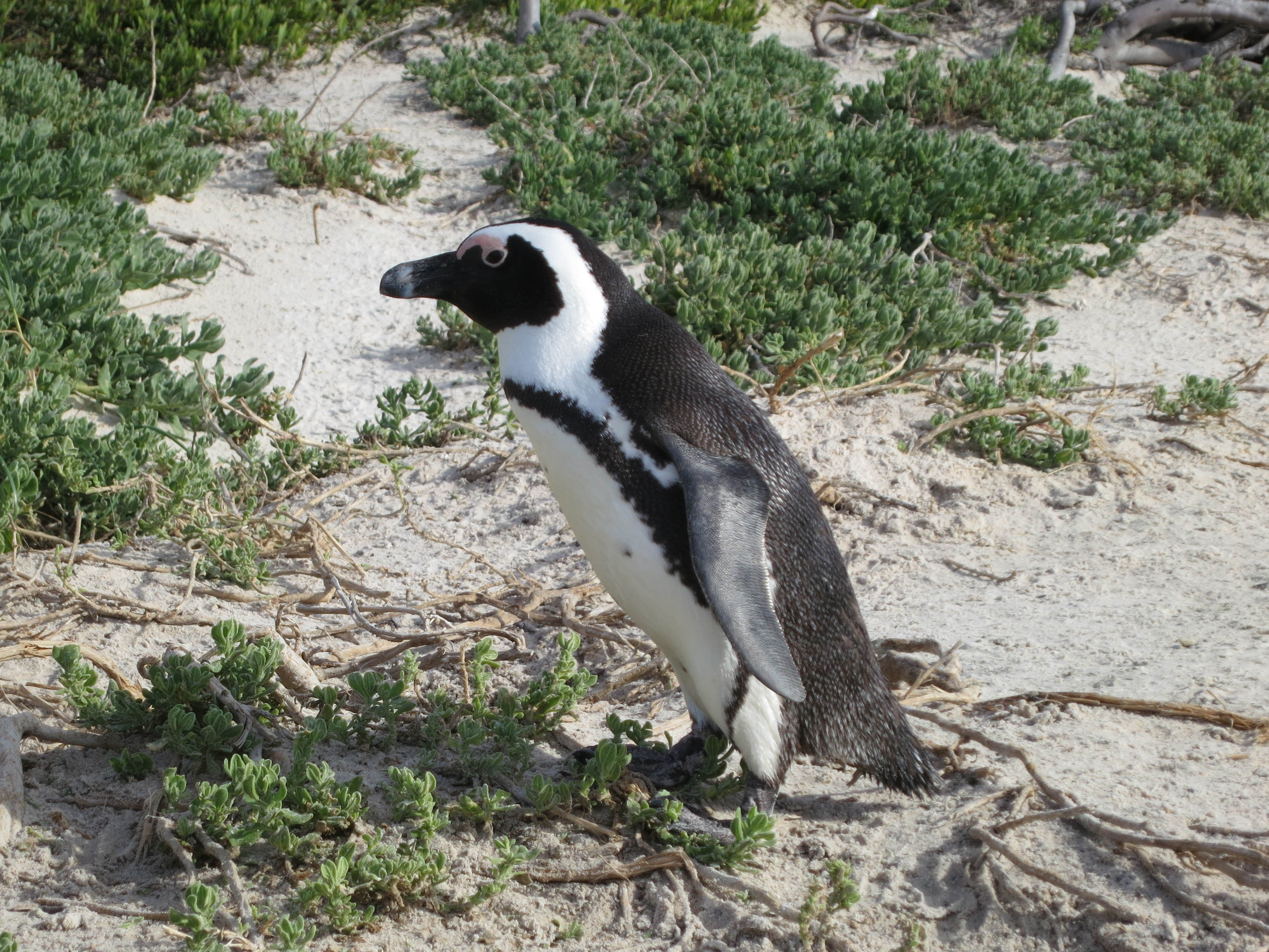
Looking dapper
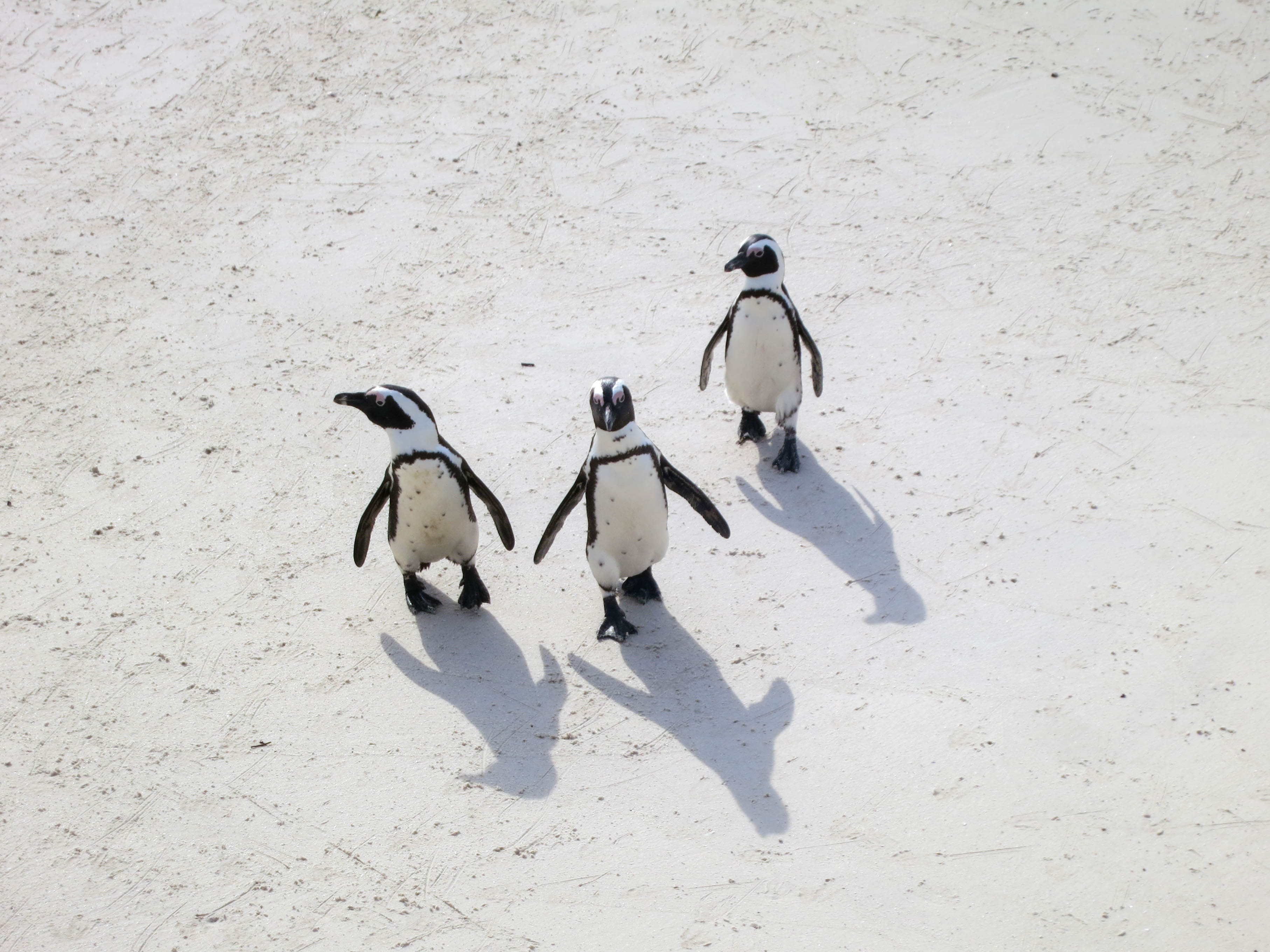
Coming back from a refreshing swim
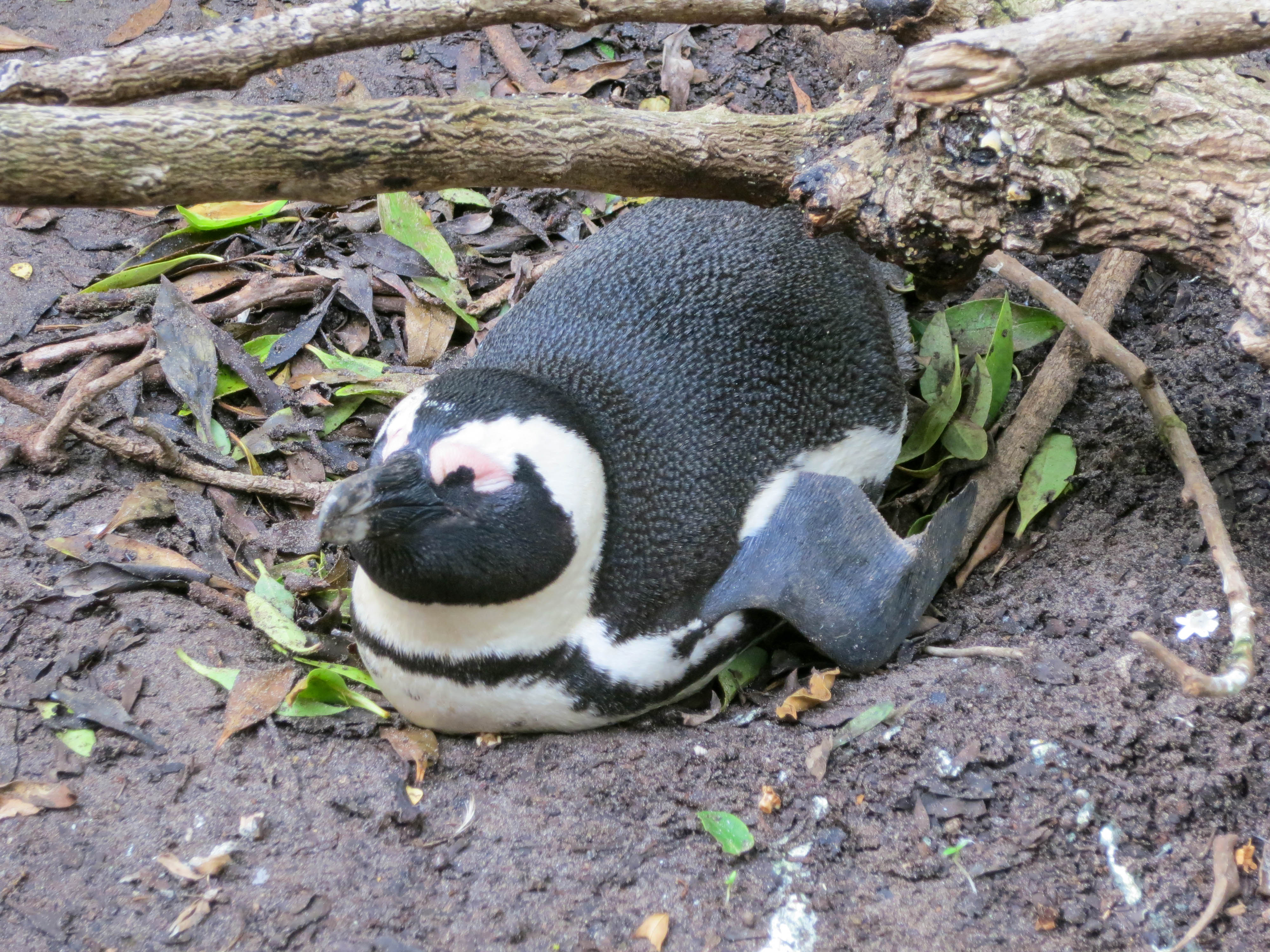
Nap time
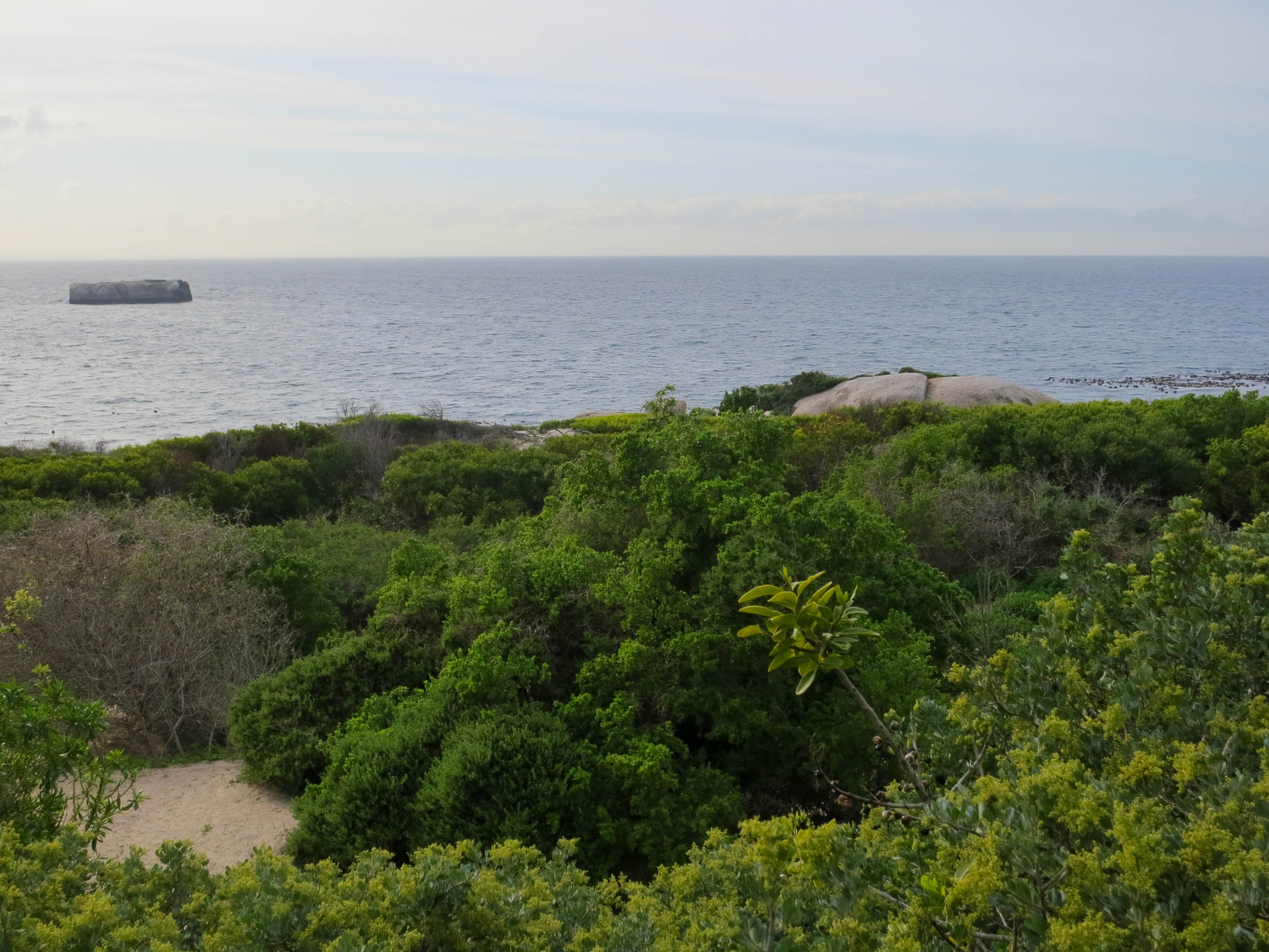
A view out into False Bay from the Boulder's Beach boardwalk
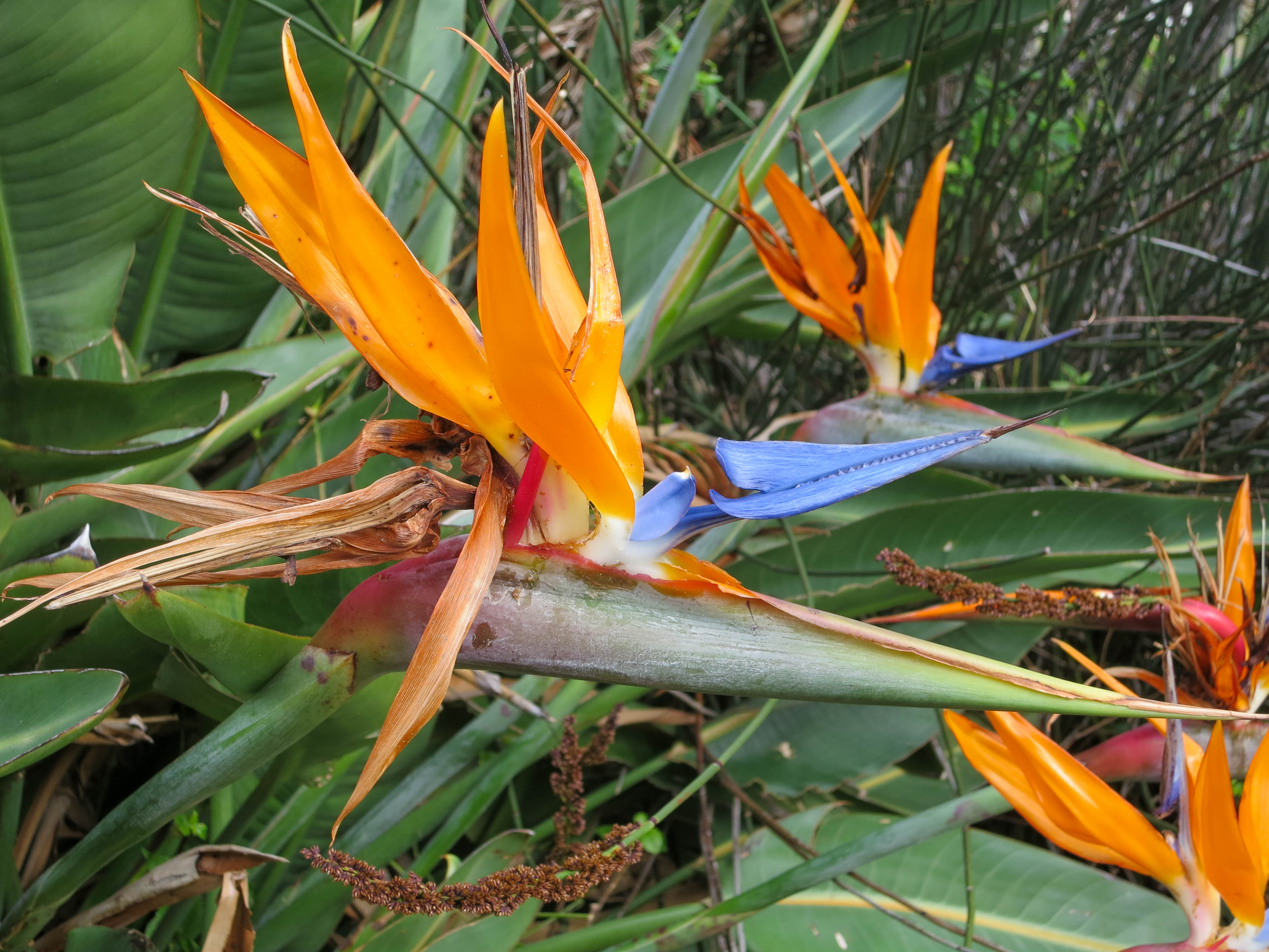
Wild Birds of Paradise plants
We spent about an hour at Boulder’s Beach, viewing the penguins and enjoying the views. After leaving the beach went for lunch at Seaforth Restaurant, overlooking the Water’s Edge beach and the Phoenix shoal. Lunch was a tasty fish dish. The tour continued on with a drive to the Cape of Good Hope. We followed the coast of False Bay south until we turned into the Cape of Good Hope National Park. Once in the national park we drove south to the Cape of Good Hope. While we were driving to the Cape we saw several wild ostriches on the side of the road, grazing on the grasses. They were neat to see, but we did not get out of the bus as ostriches are known to be fairly dangerous birds to encounter in the wild. They have a super-sharp talon on their feet that can do a lot of damage, so we decided it was best to stay in the bus and observe from behind the glass. The bus continued on to the Cape, where we disembarked, took some photos and explored. Todd and I spent about 15 minutes hiking the rock formation at the end of the Cape, and got some great shots of the ocean. We spent about half an hour at the Cape before getting back on the bus. We backtracked and went to Cape Point. This is the site of the old lighthouse that used to warn ships of the Cape; it has since been replaced by a larger lighthouse farther along the point. We had an hour here, so instead of taking the funicular up to the lighthouse we chose to hike instead. As we were hiking along the path to the lighthouse we walked past a number of baboons that were just chilling on the pathway. Some of the baboons had recently given birth, and there were baby baboons hanging onto their mothers. Once we reached the lighthouse we were treated to fantastic views of both the Atlantic ocean and the False Bay; we took some photos then hiked back down to the bus.
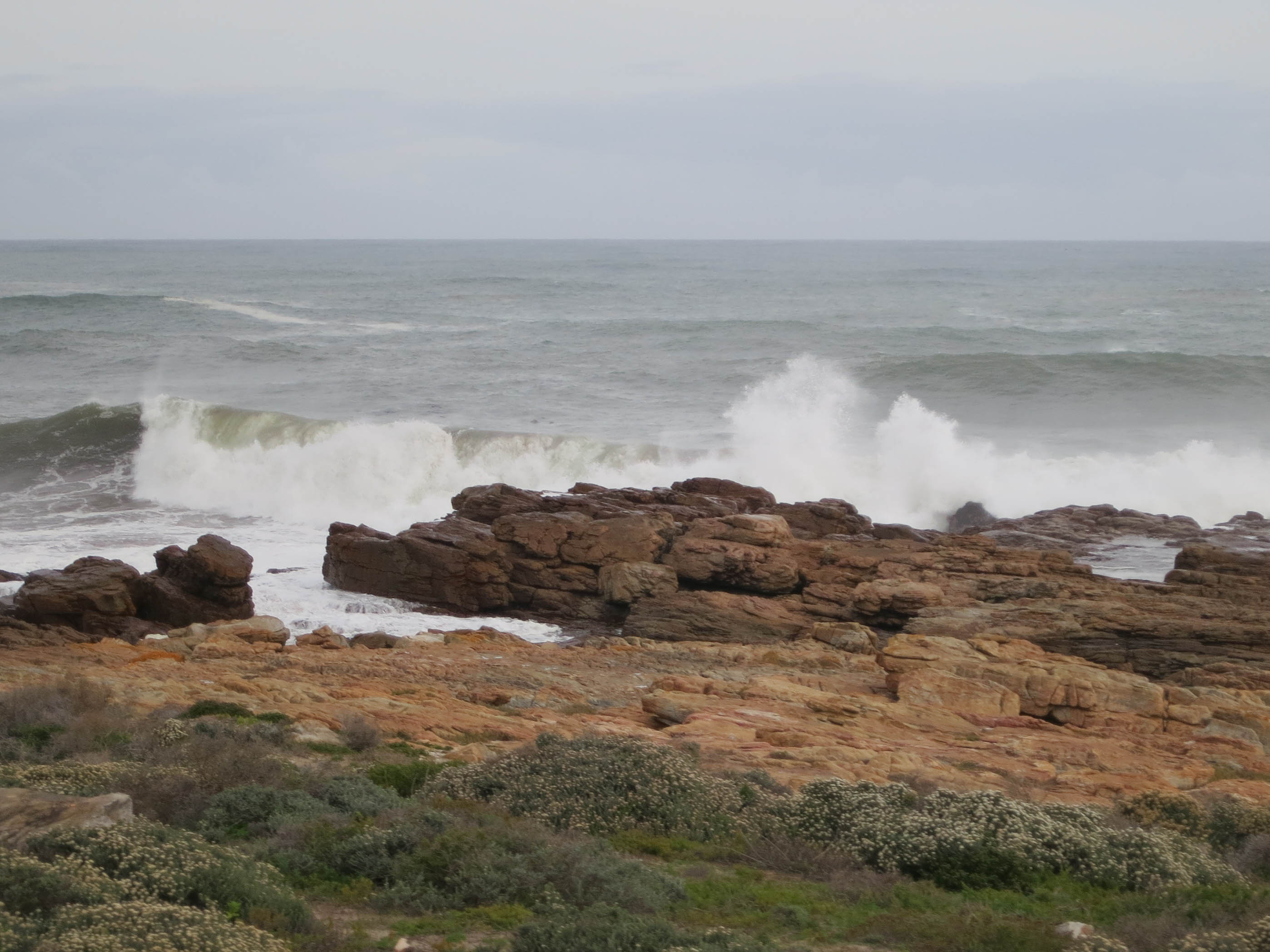
The waves were crashing into the Cape
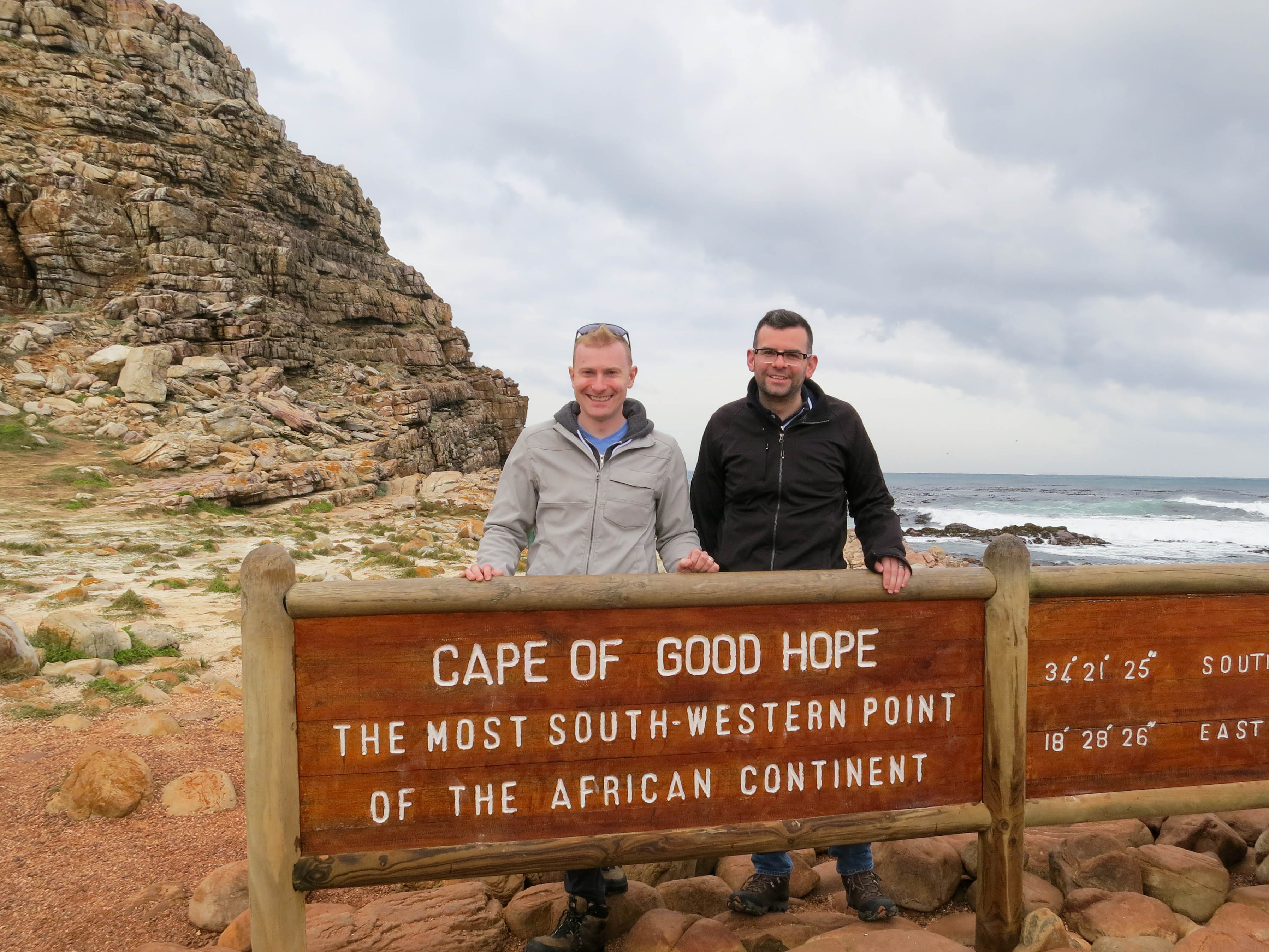
Us at the Cape!
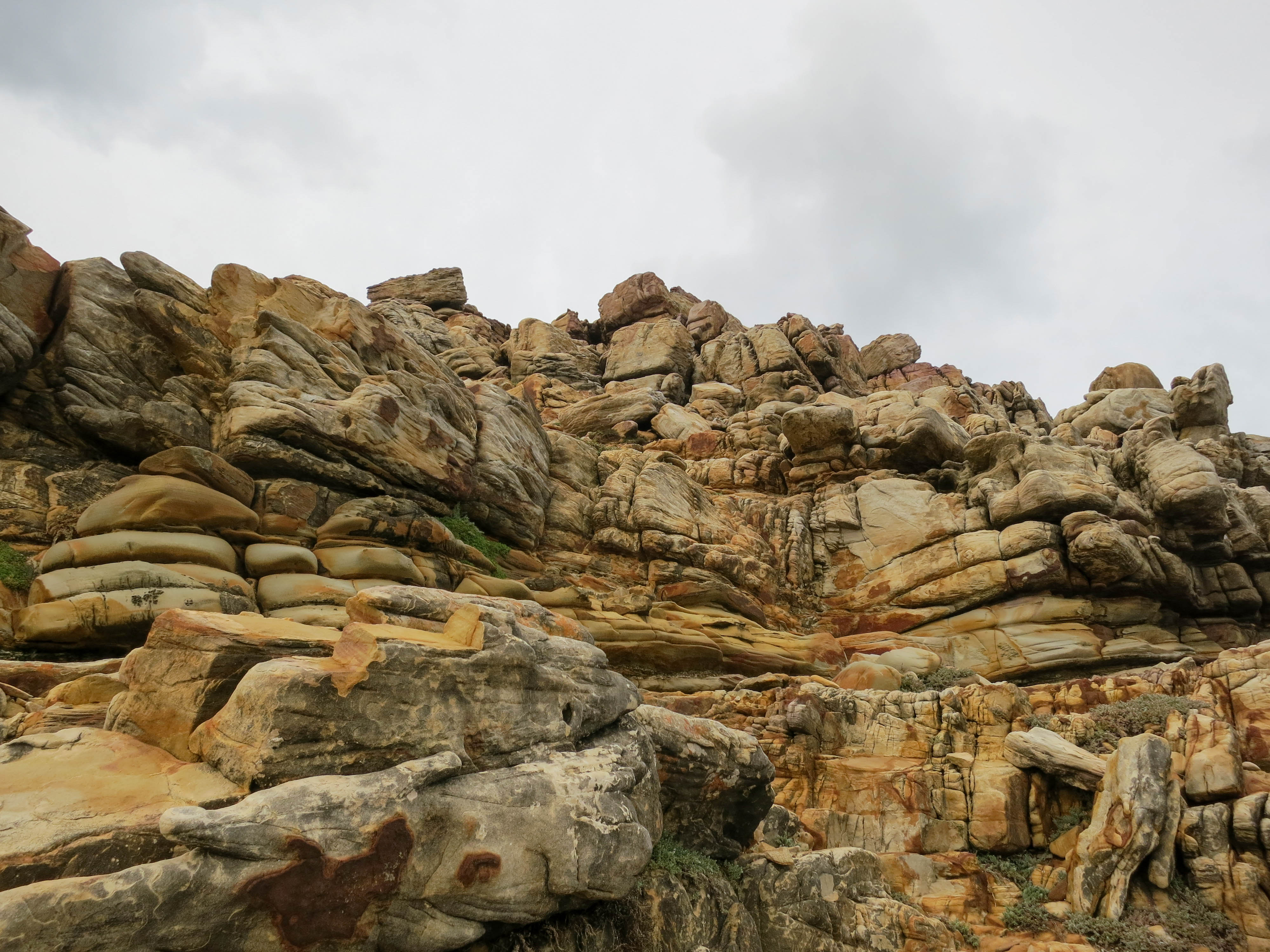
Looking up at the outcropping we were going to climb
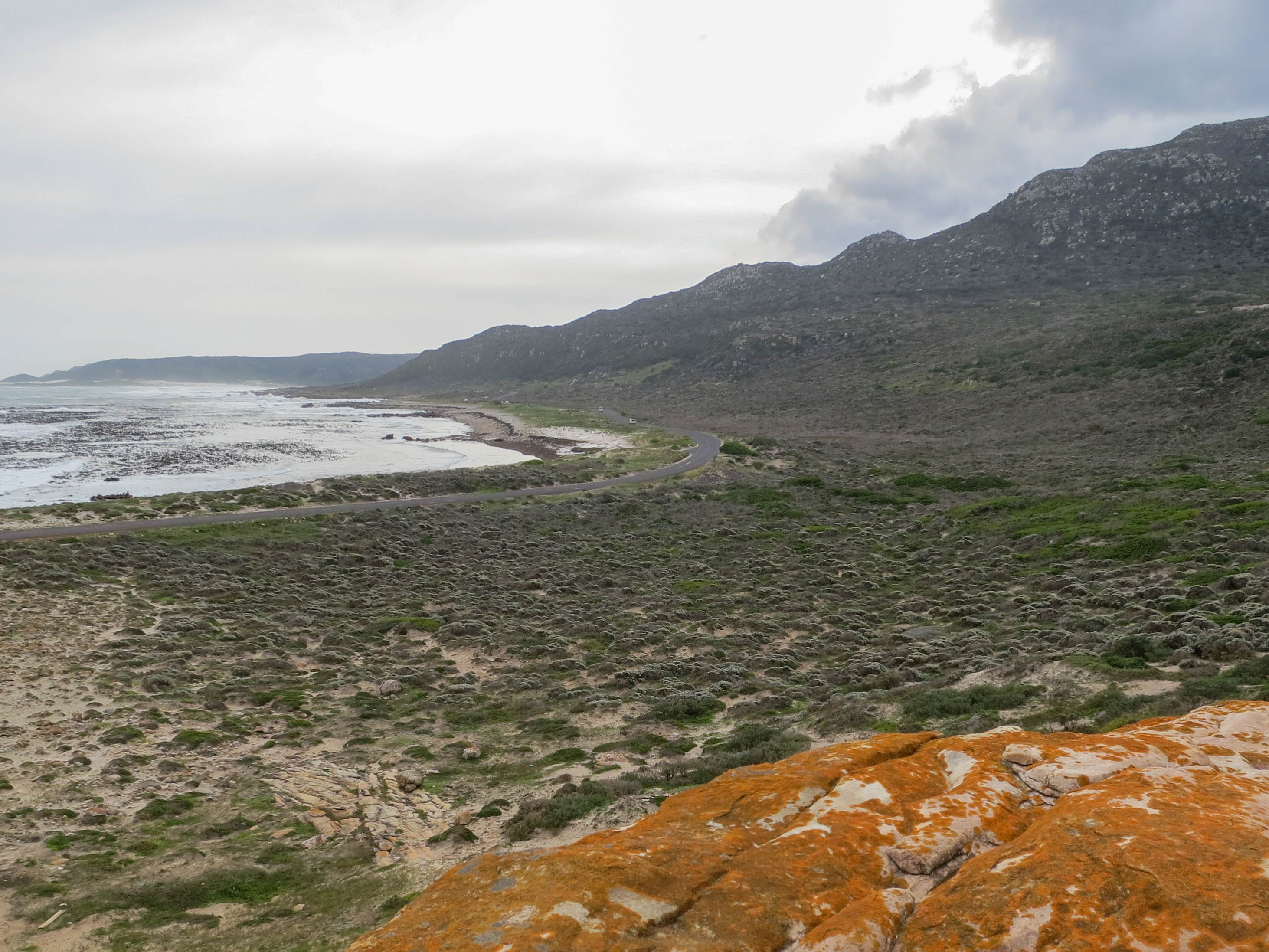
Looking north, at the road towards the Cape
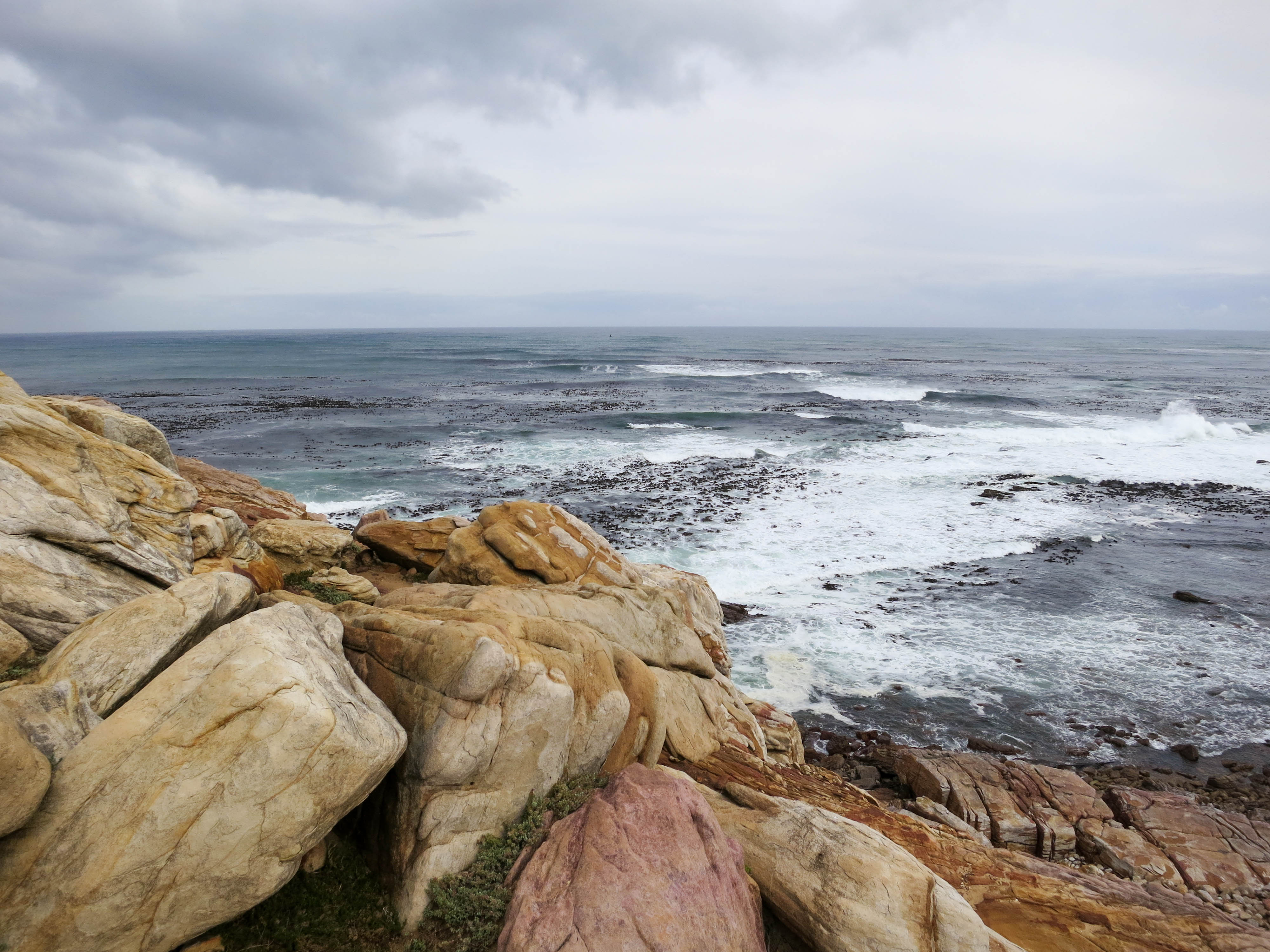
Looking out to the Atlantic
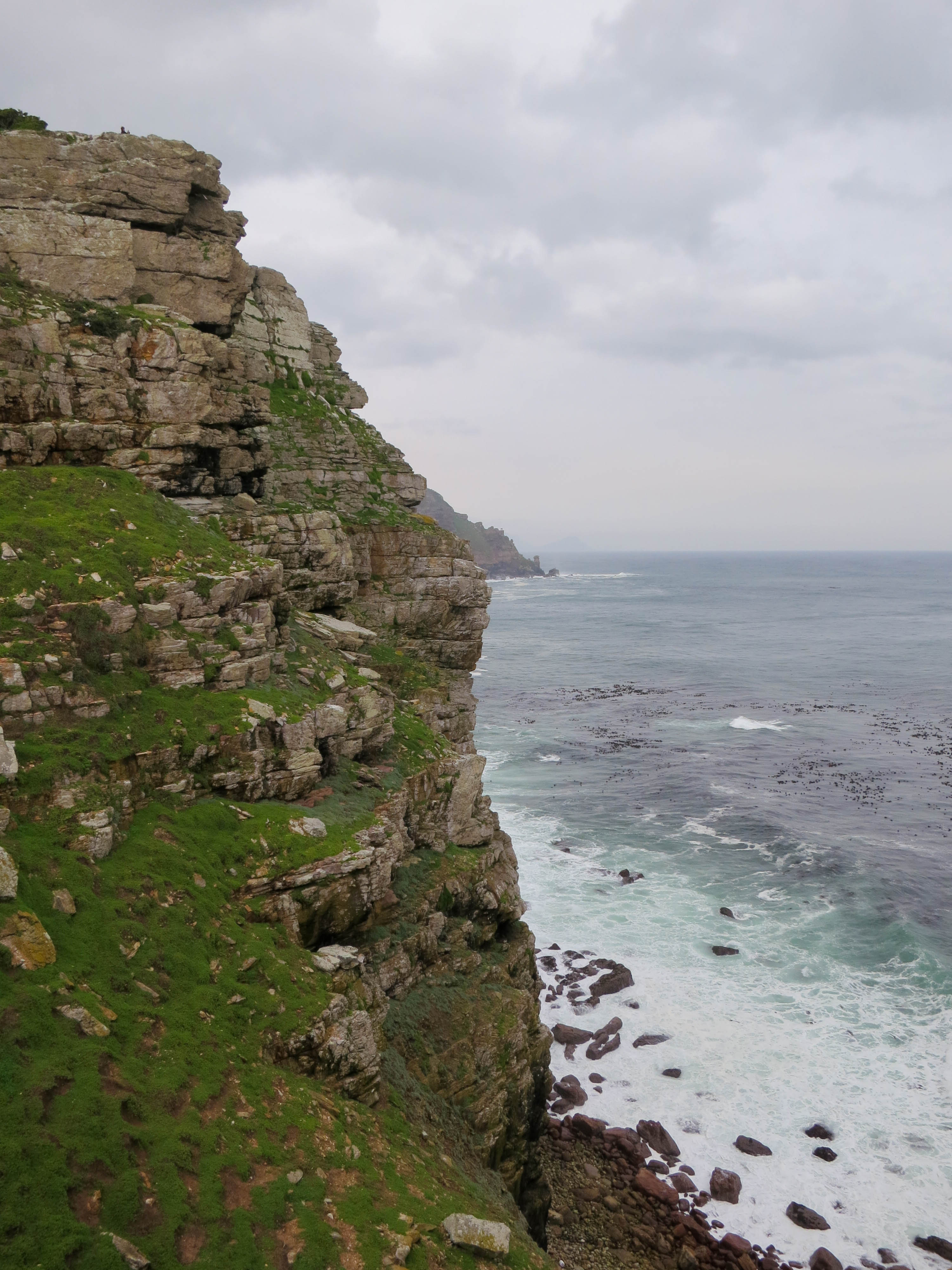
Looking west toward Cape Point
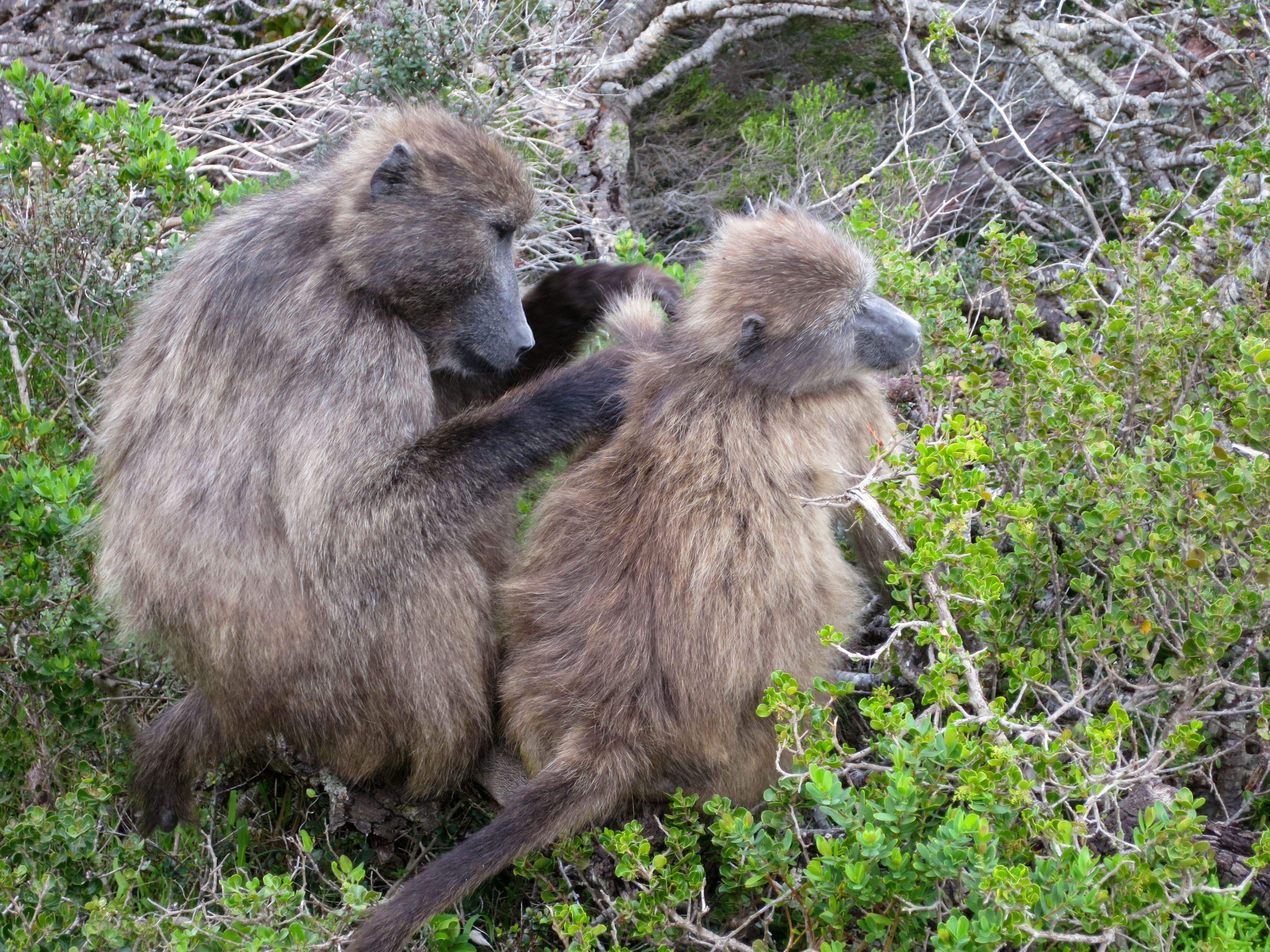
Baboons grooming on the trail towards the Cape lighthouse
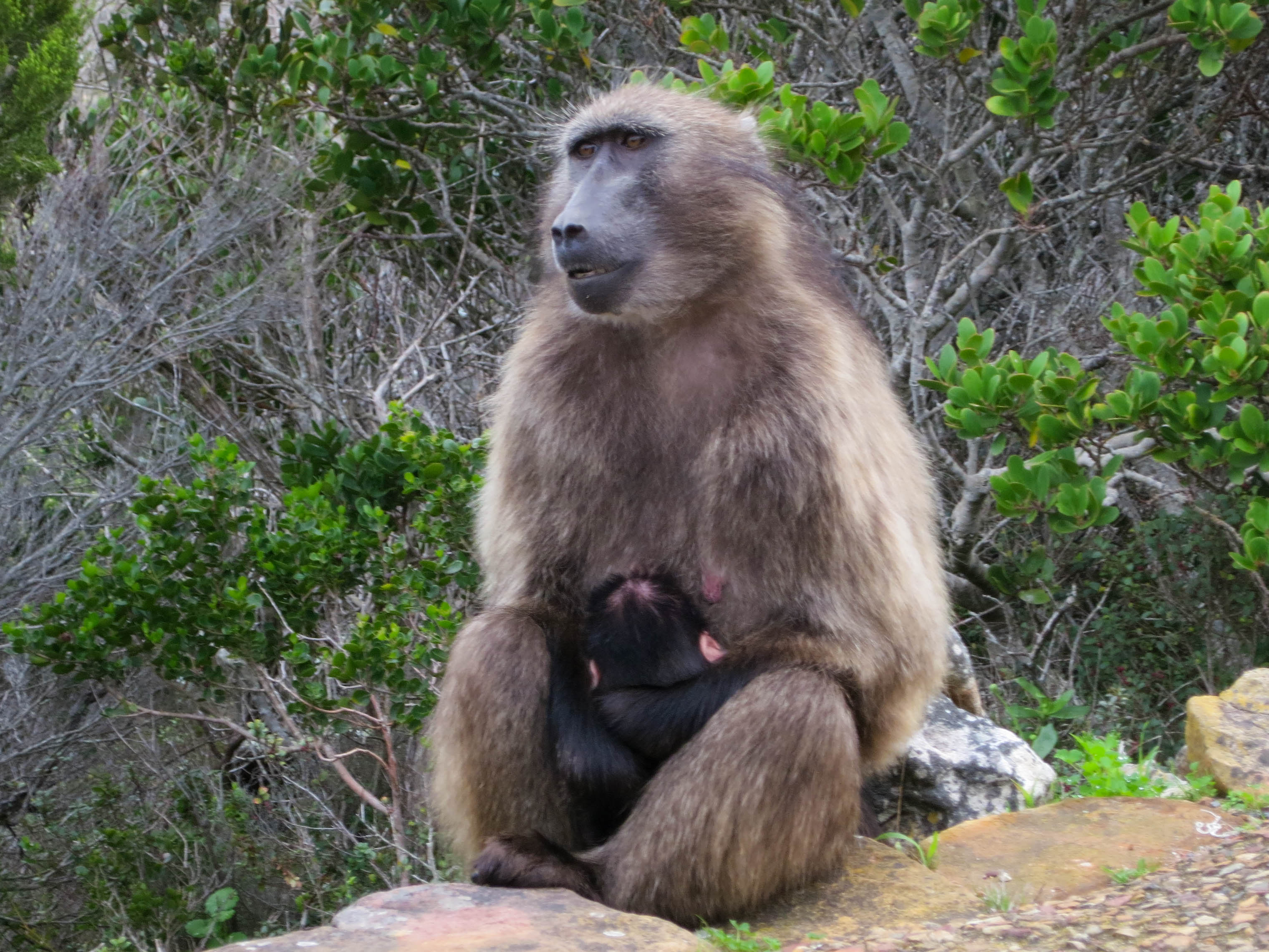
Mama and baby
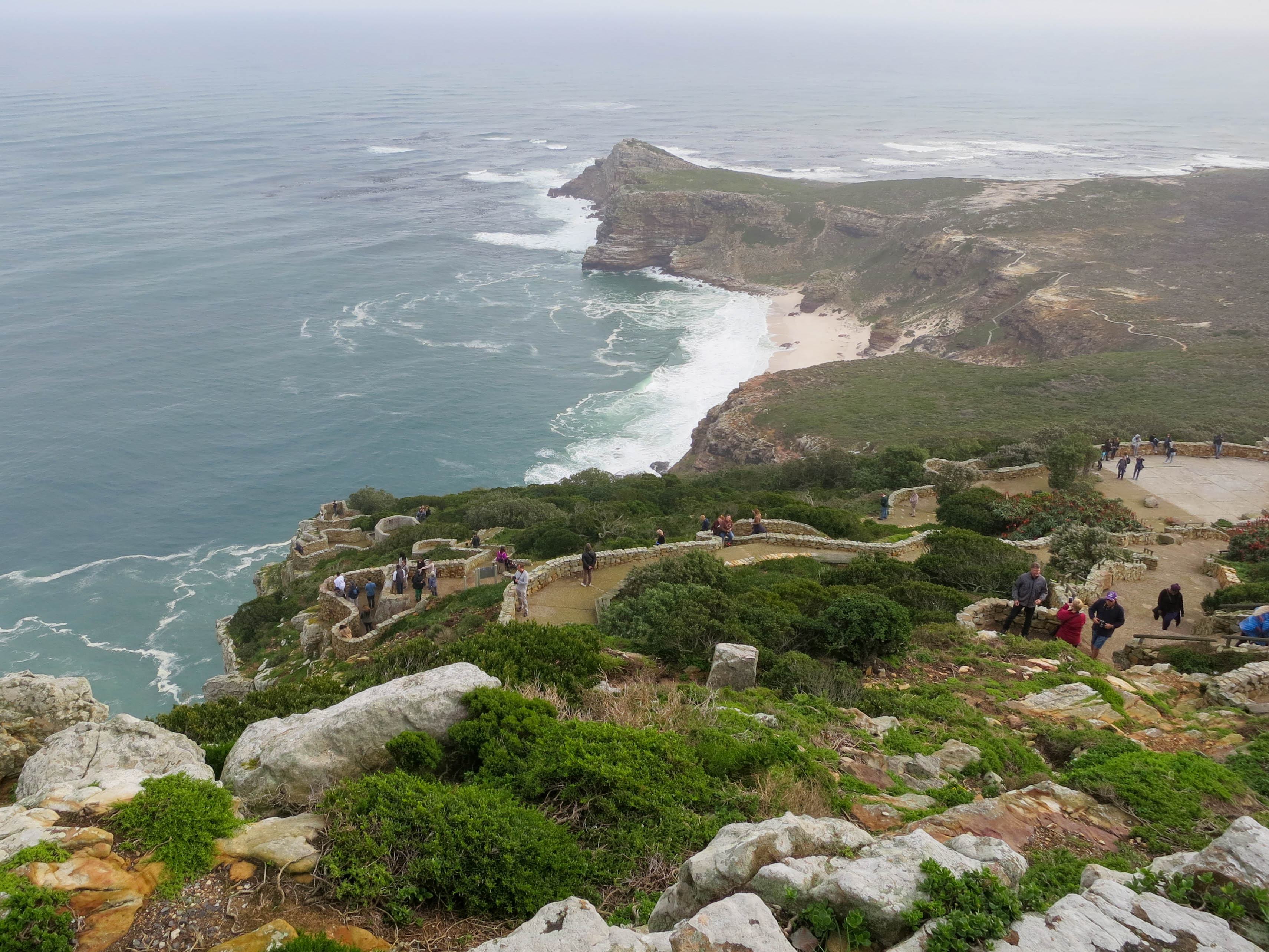
A view of the trail to the lighthouse, with the Cape visible in the background
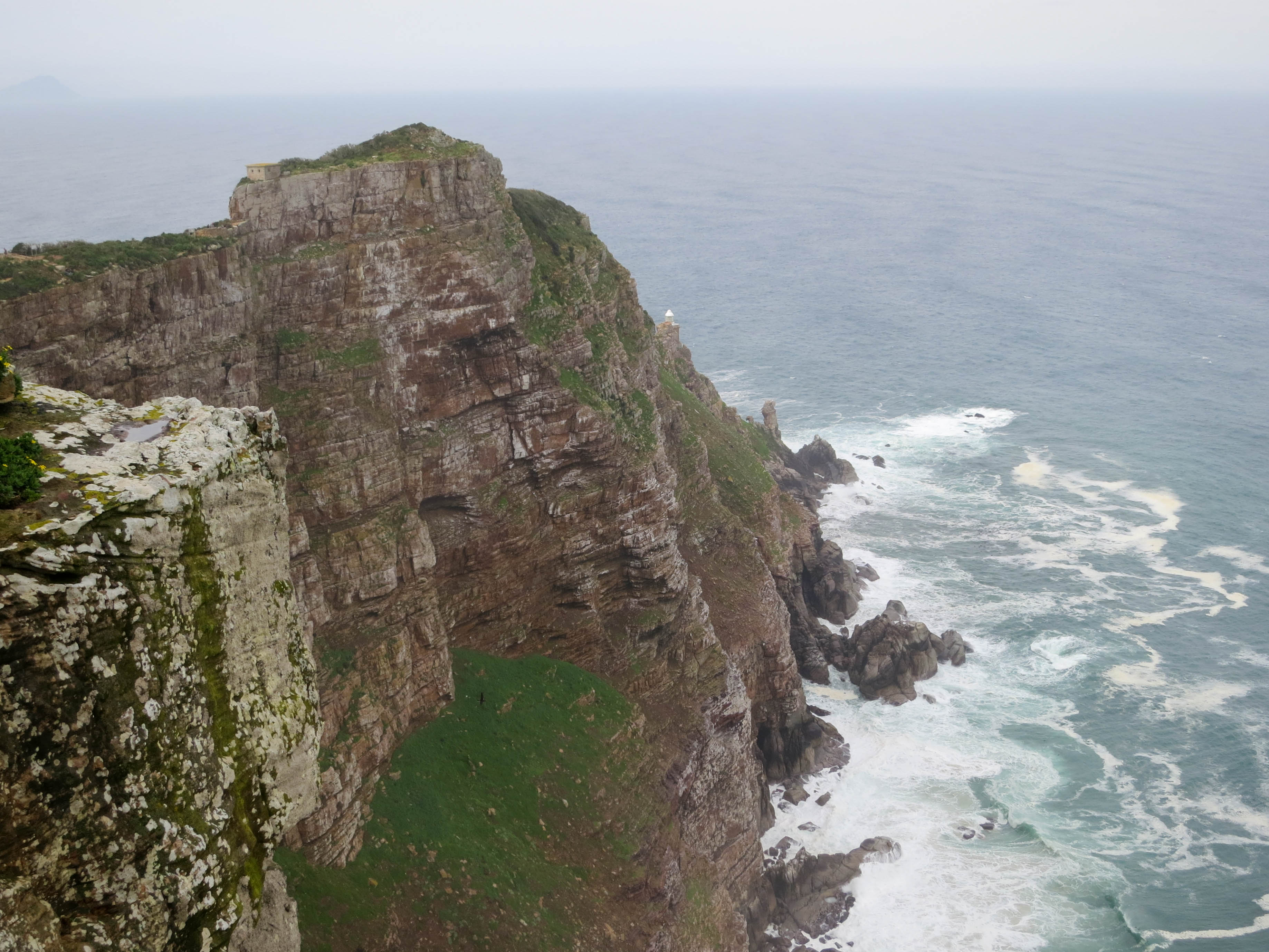
Looking south from Cape Point. The new lighthouse is visible about halfway up the side of the rock face
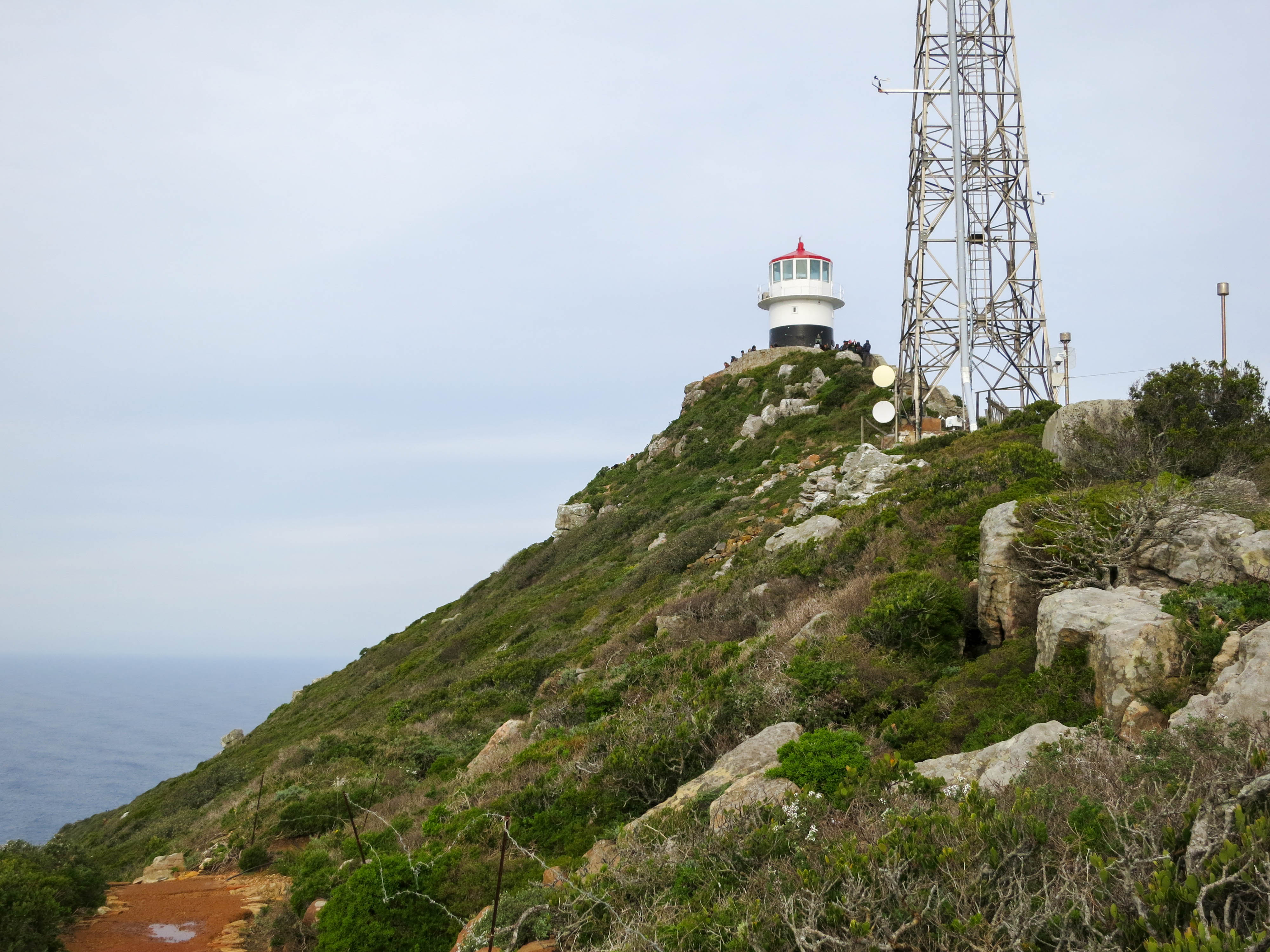
The old lighthouse at Cape Point
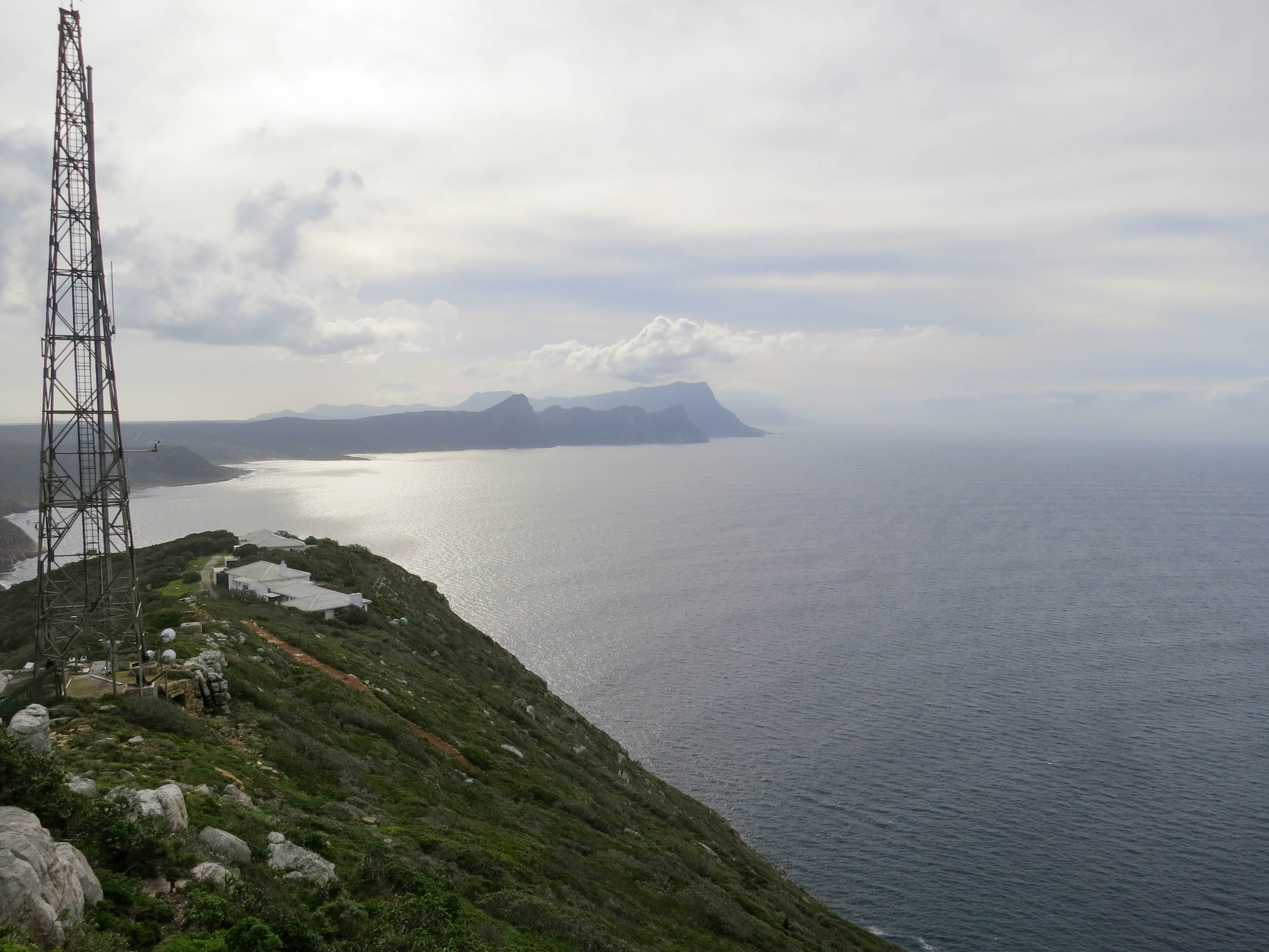
Looking northeast across False Bay from Cape Point
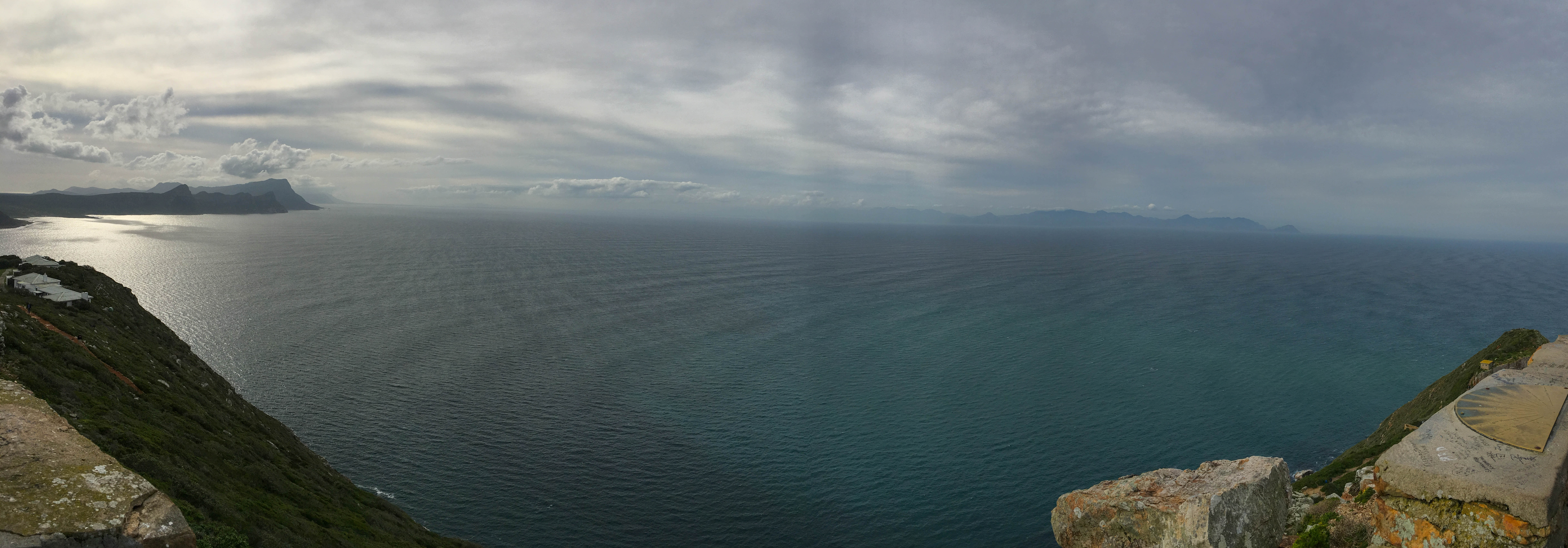
A panorama looking east across False Bay from the old Cape Point lighthouse
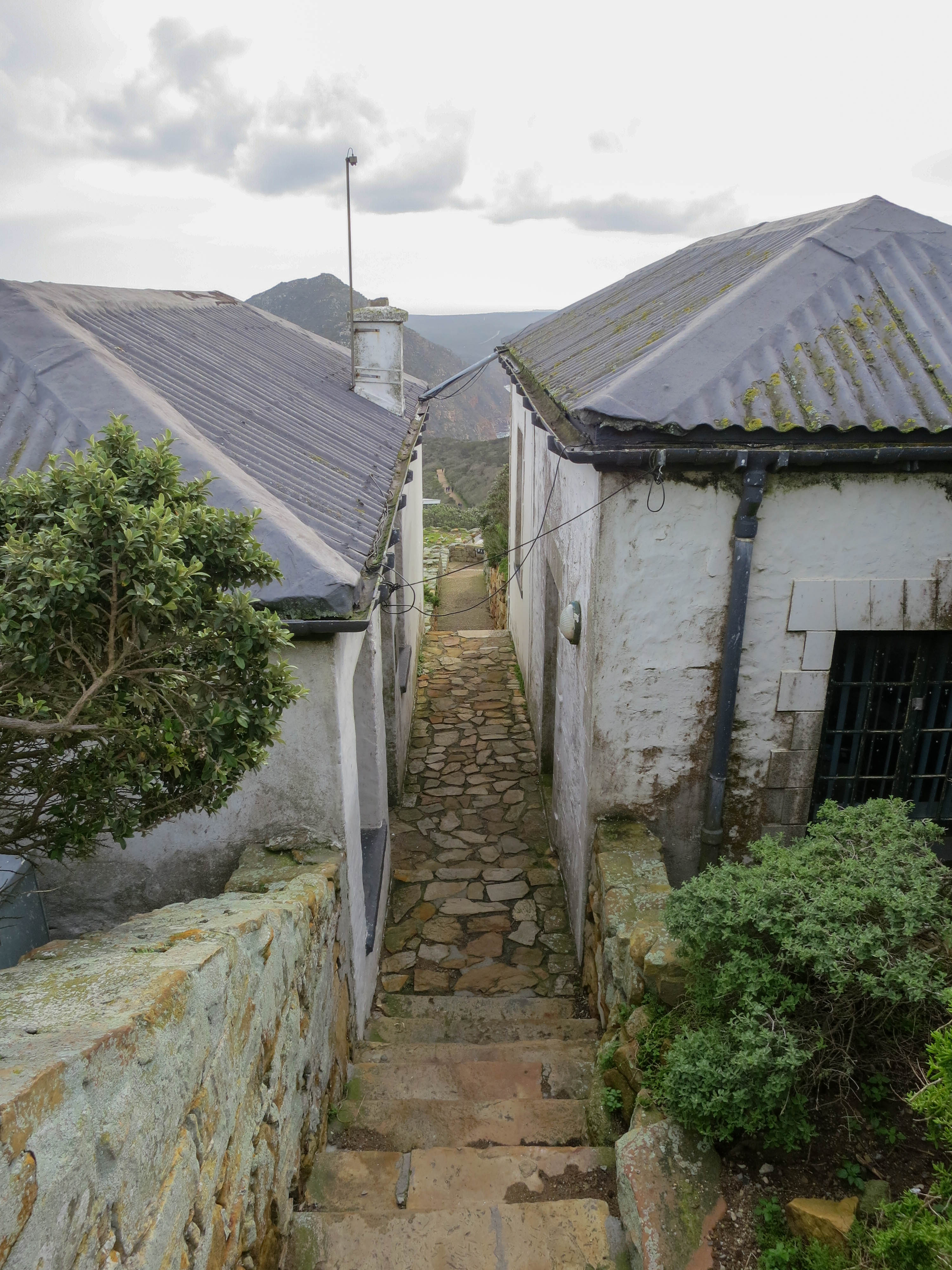
Administrative buildings at the base of the old lighthouse at Cape Point
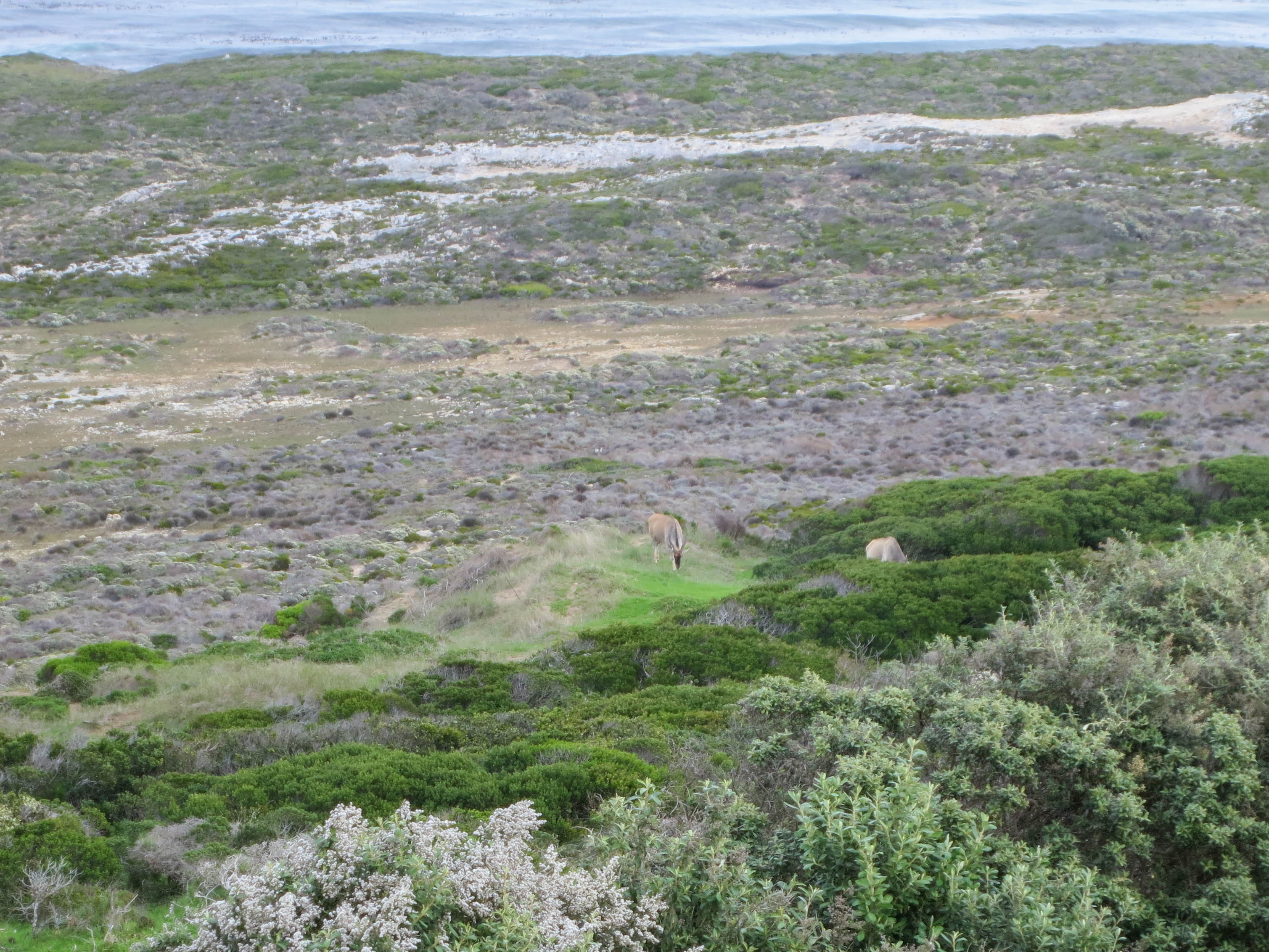
Antelope grazing near Cape Point
It was getting later in the afternoon, so the bus began the drive back to Cape Town. Our next stop was the Kirstenbosch National Botanical Garden, which took about an hour to reach. During the drive most of the bus feel asleep (myself included). We arrived at the botanical gardens shortly after 16:00. We spent about 45 minutes walking through the gardens, learning about the different types of plants they had present. The Cape is home to hundreds of different species of indigenous plants, many of which are unique to the Cape. A few of the most distinctive types of plants we saw were in the protea family - the King protea is the national flower of South Africa, while others like the pincushion protea were also gorgeous. We could have easily spent a half day or more exploring the gardens, unfortunately we did not have that much time and left the gardens shortly after 17:00. We returned to the hotel, where we relaxed until dinner with the tour group at 18:45. We sat with some nice ladies from Brooklyn, and ate from a nice buffet that also included tasty white wine. We returned to our room around 20:00, where I worked on this blog until about 21:00 then we headed to bed.
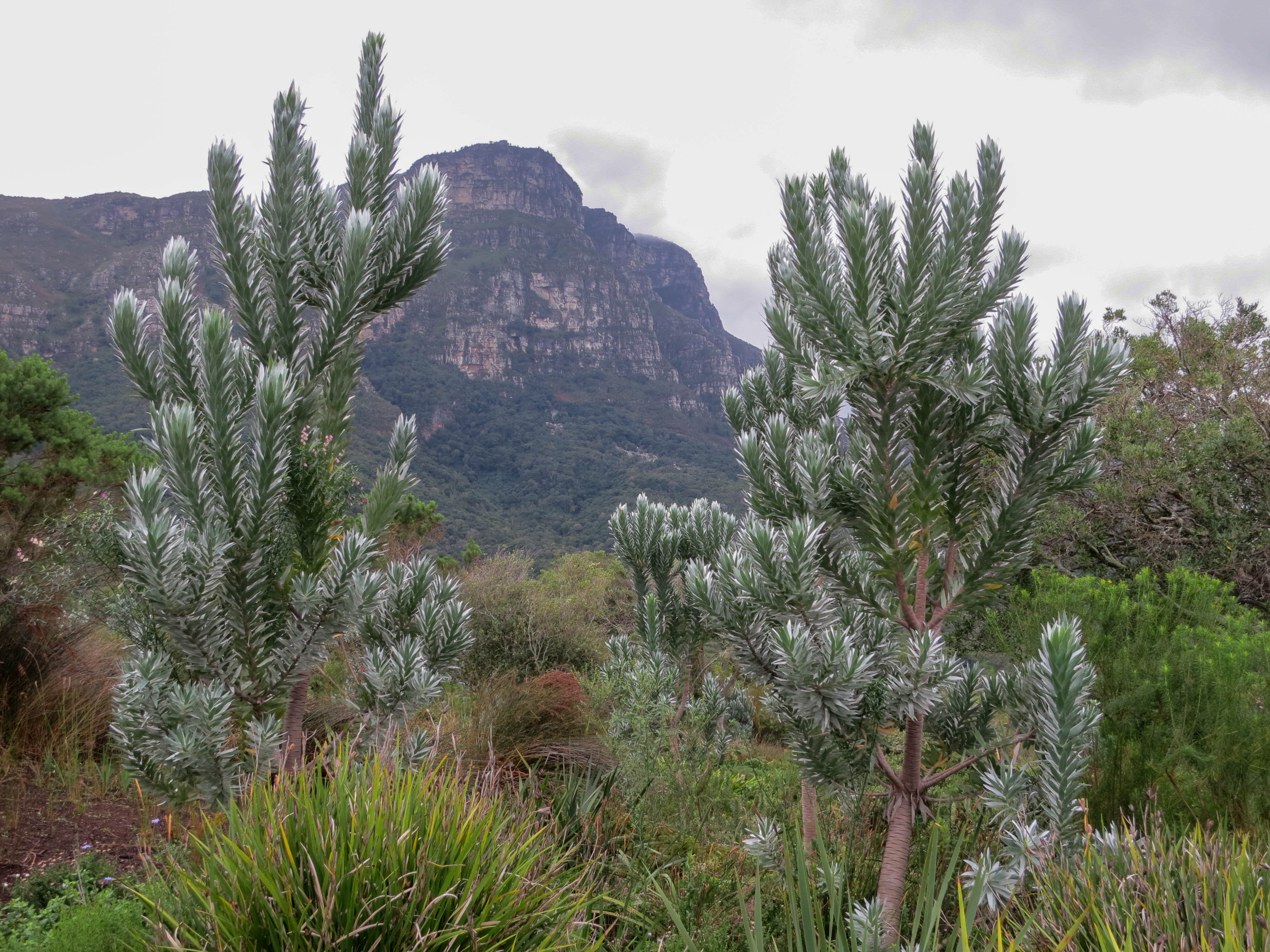
Protea trees with Table Mountain in the background
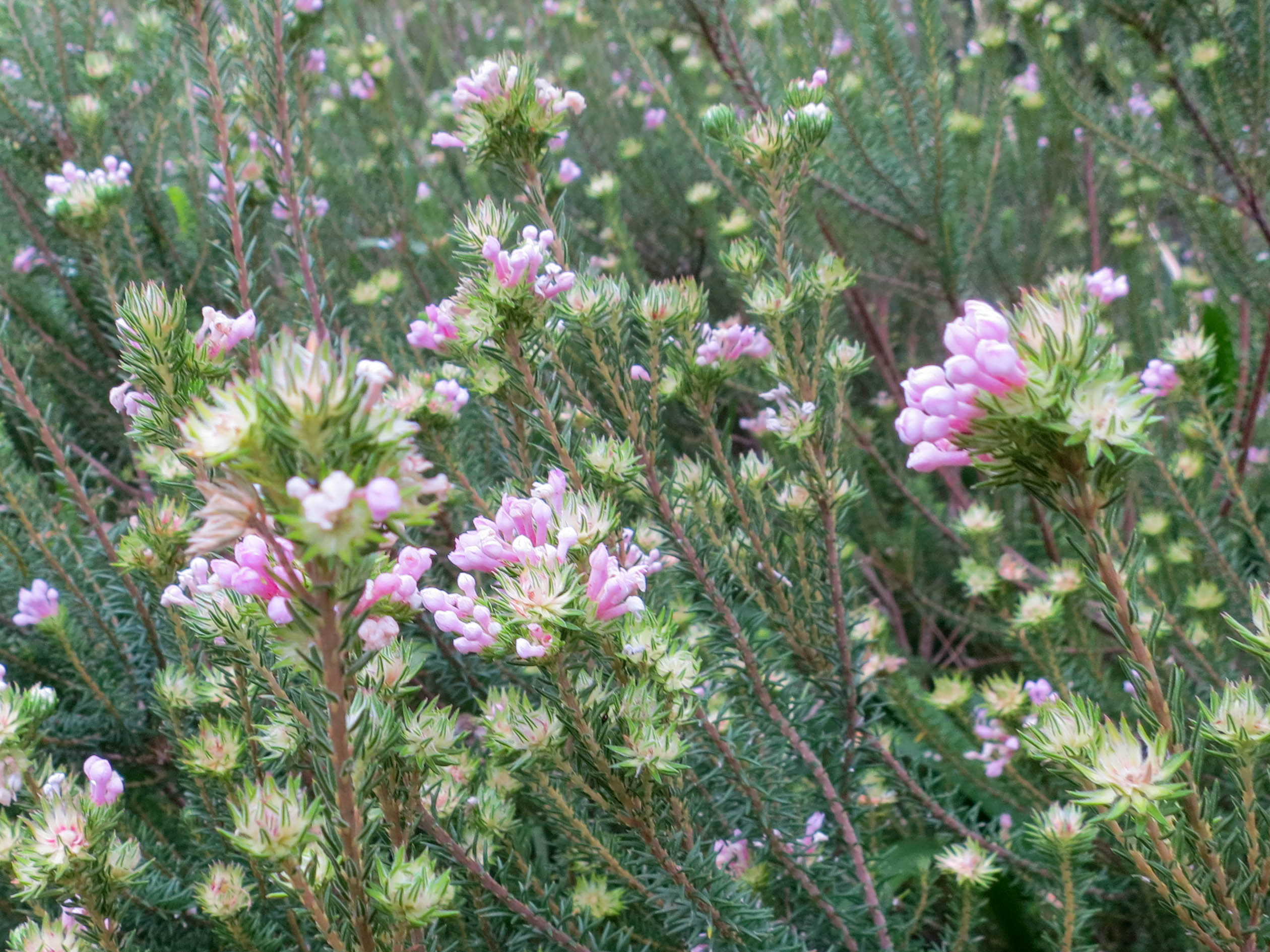
Pretty pink flower buds on a bush
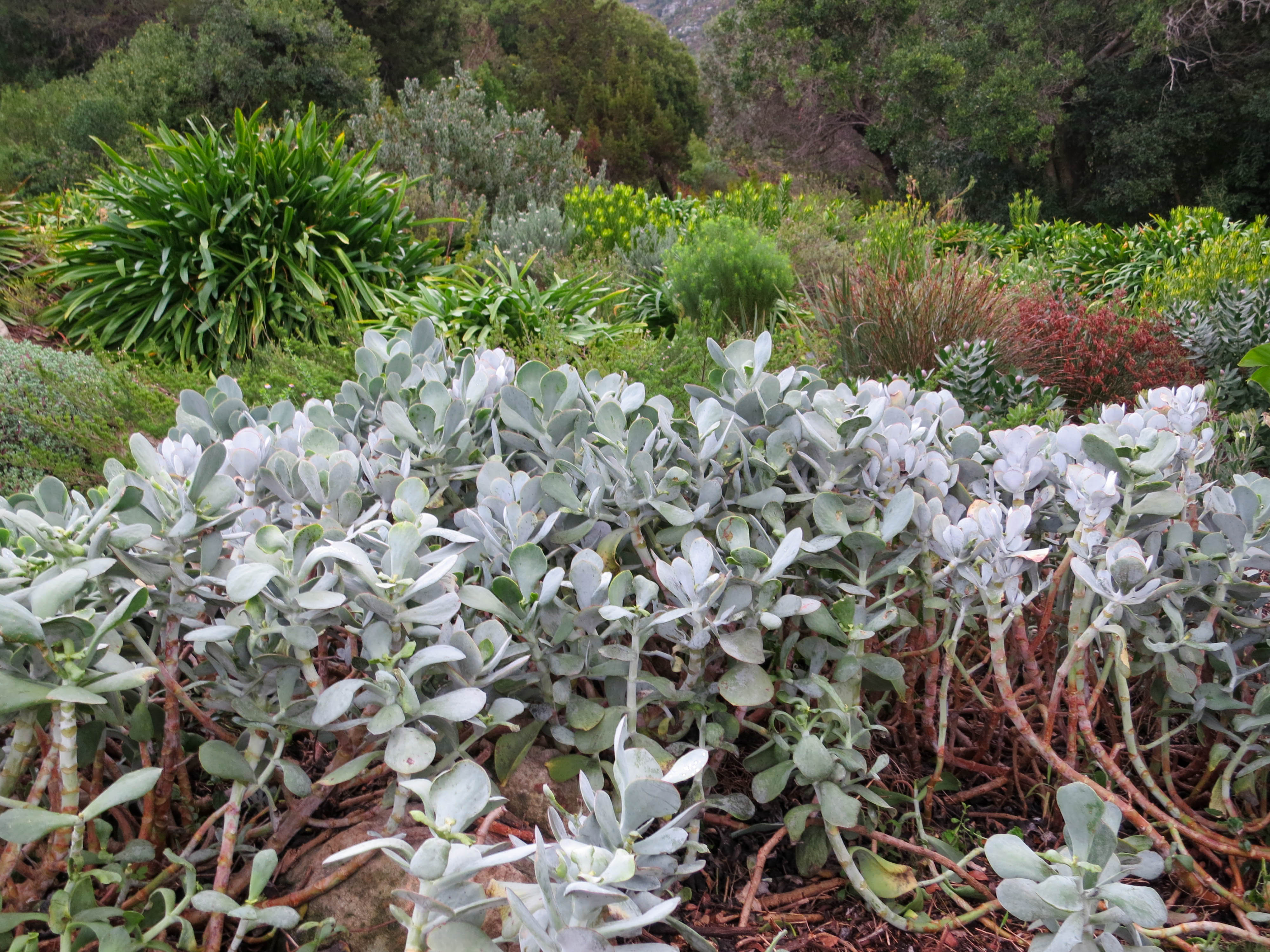
Succulents with multi-coloured bushes in the background
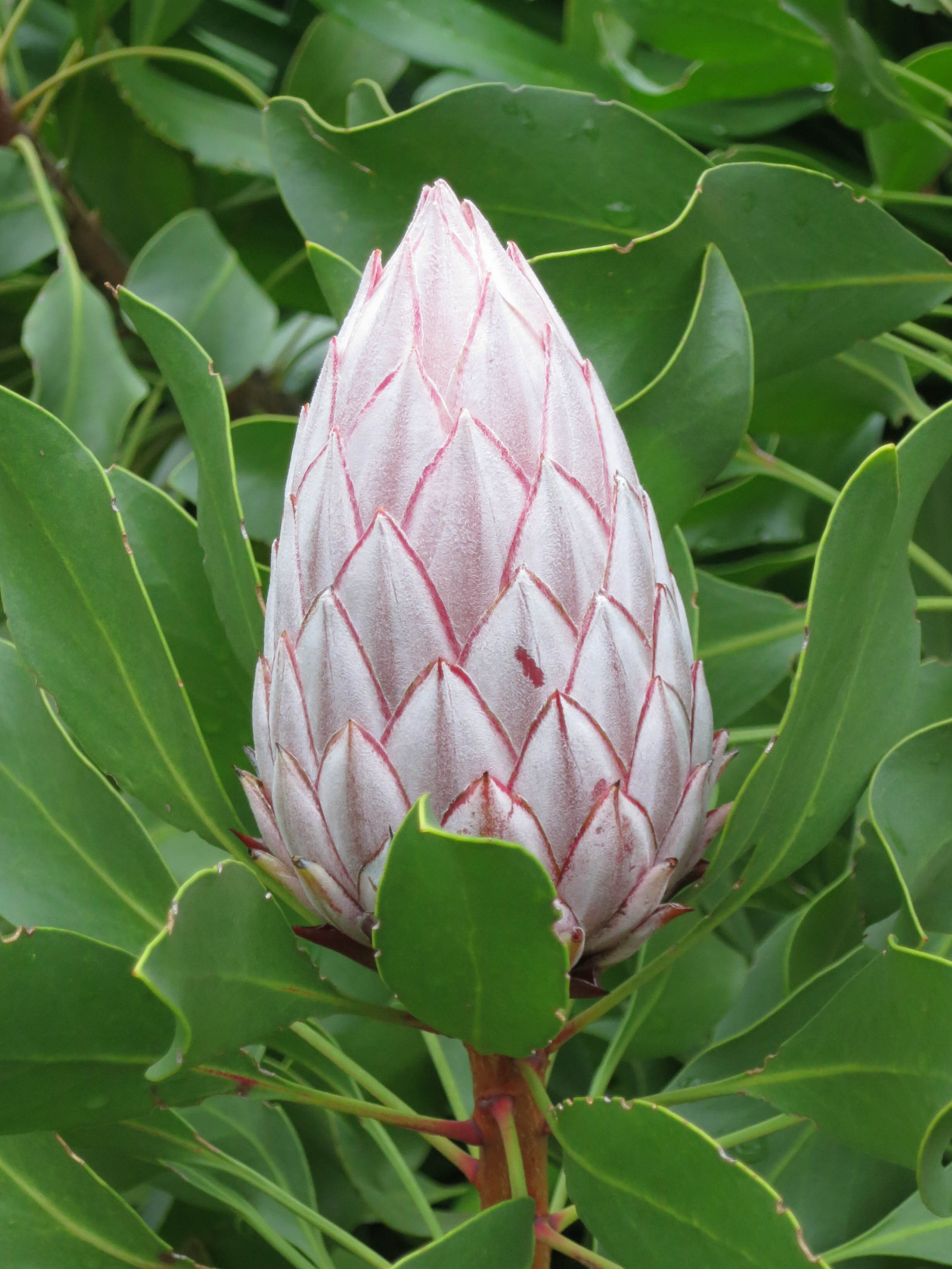
A protea flower
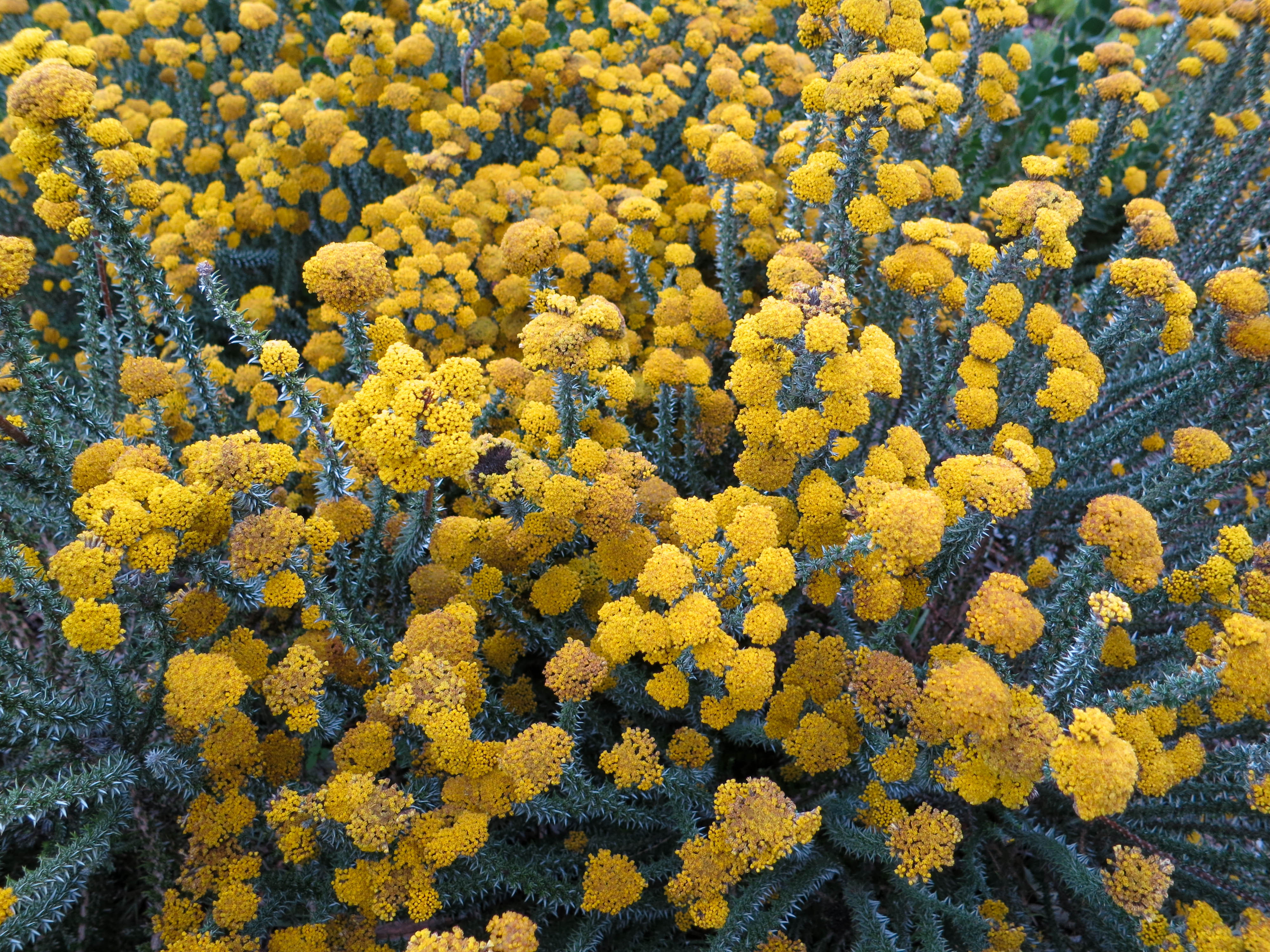
Flowering bush
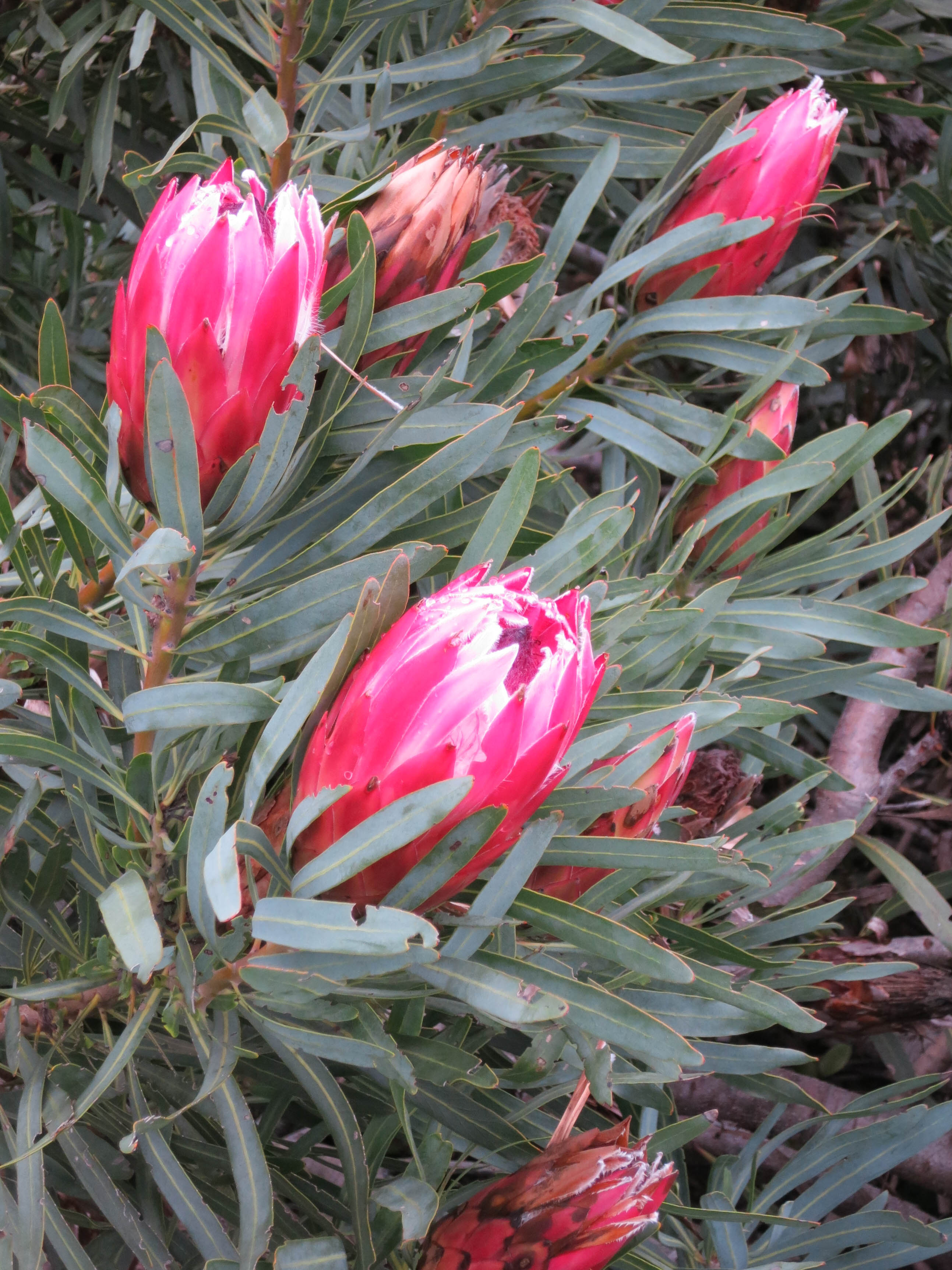
Another type of protea
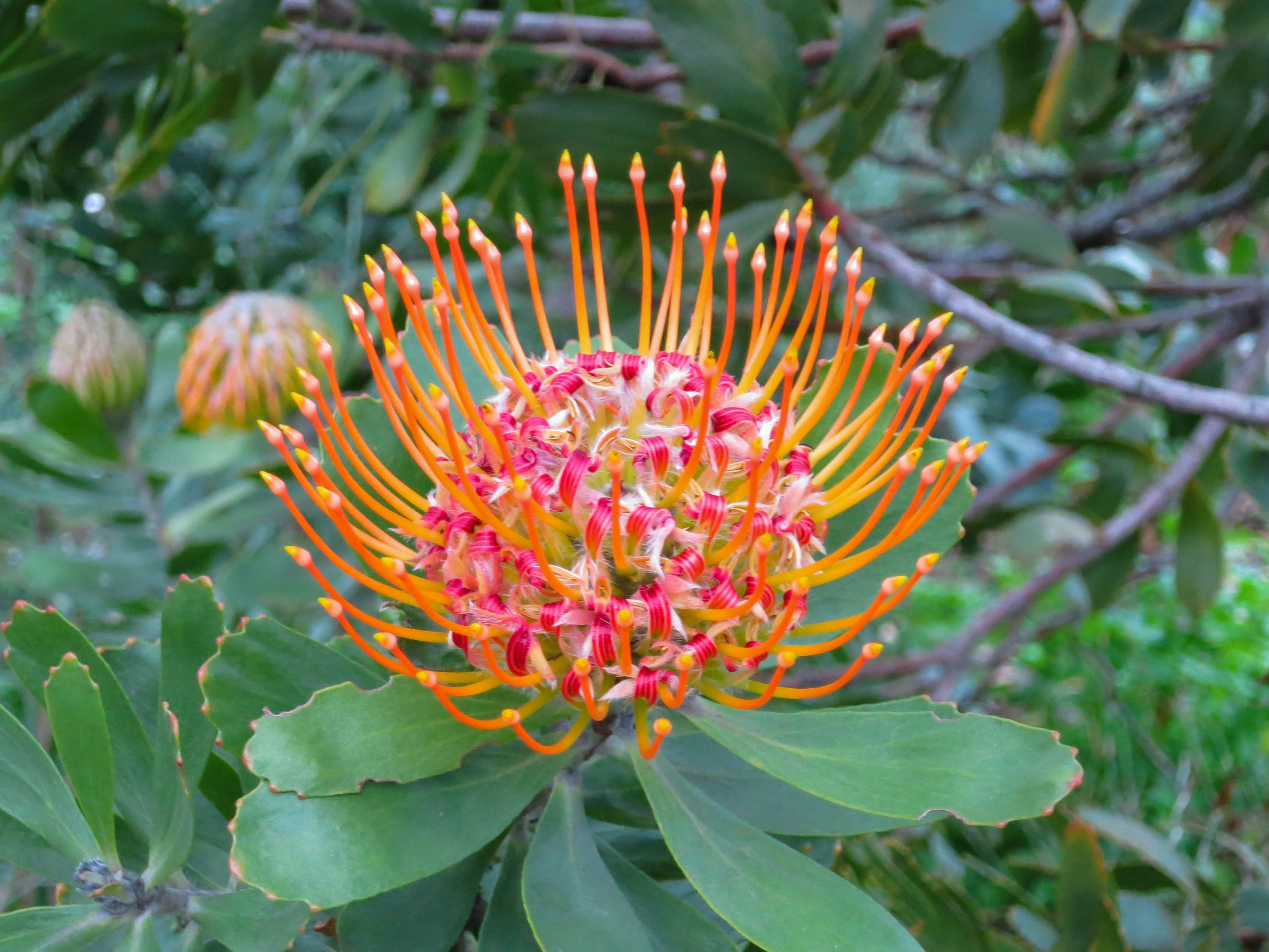
A pincushion protea flower
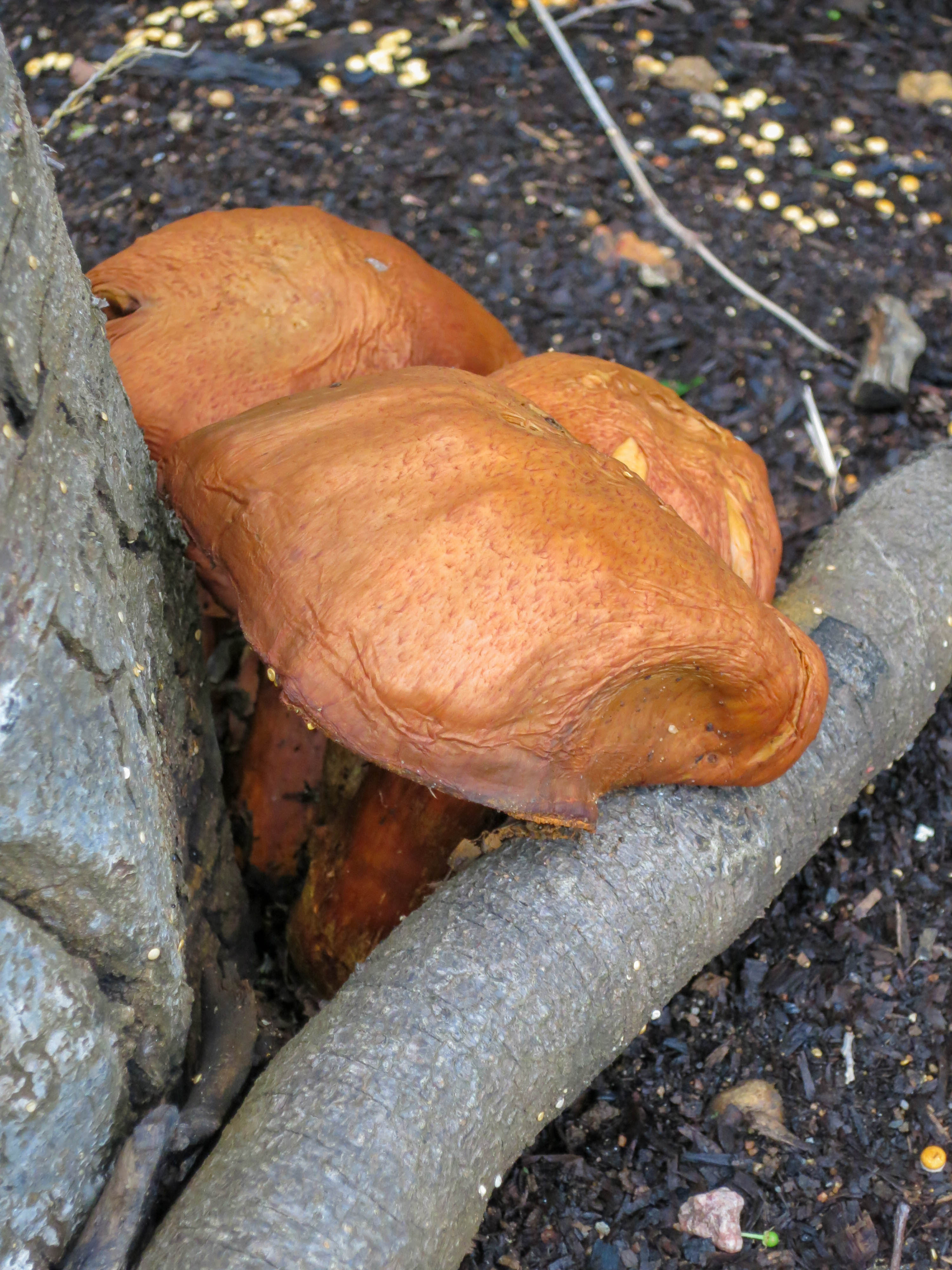
Large mushrooms
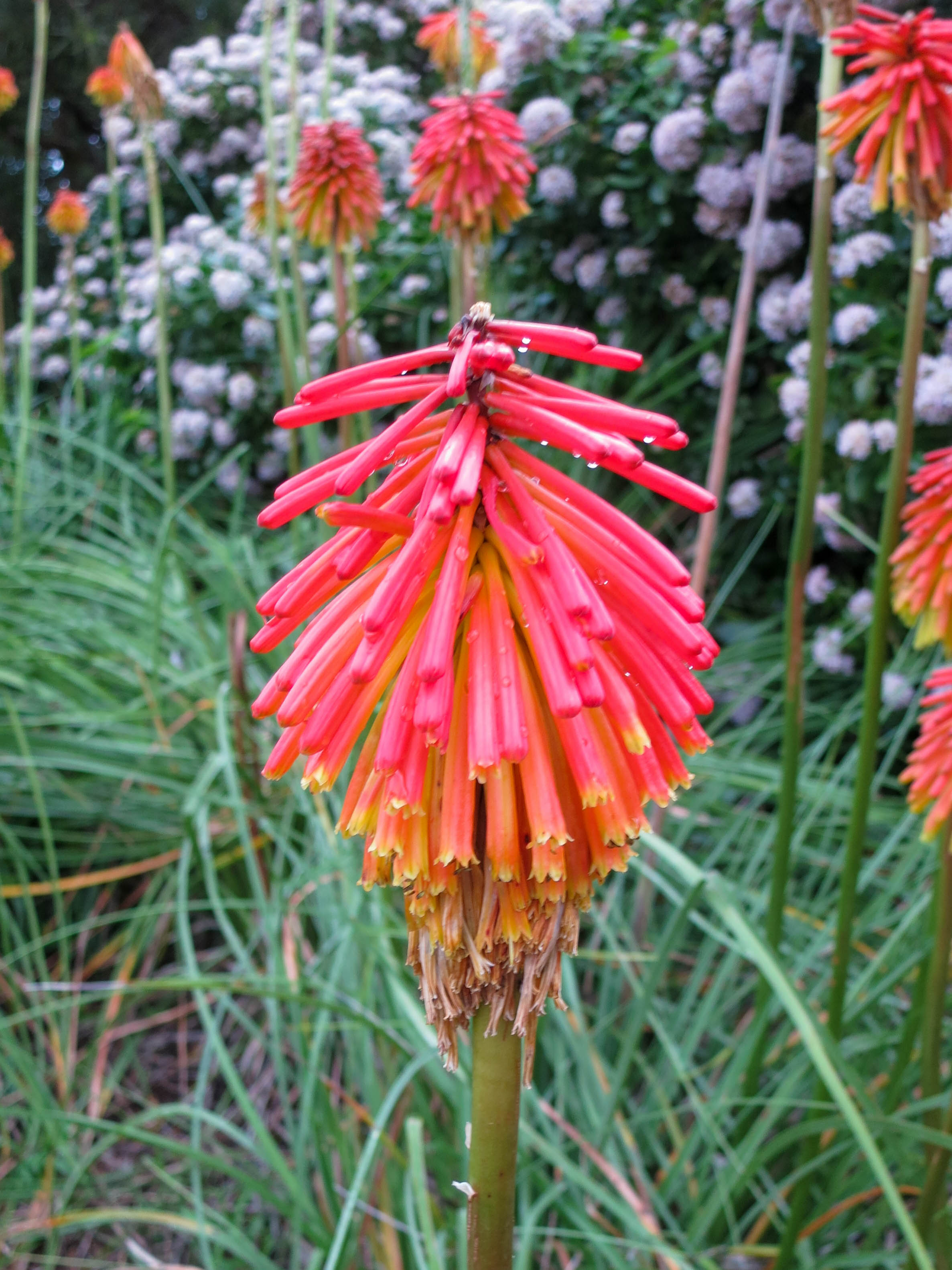
A unique flower
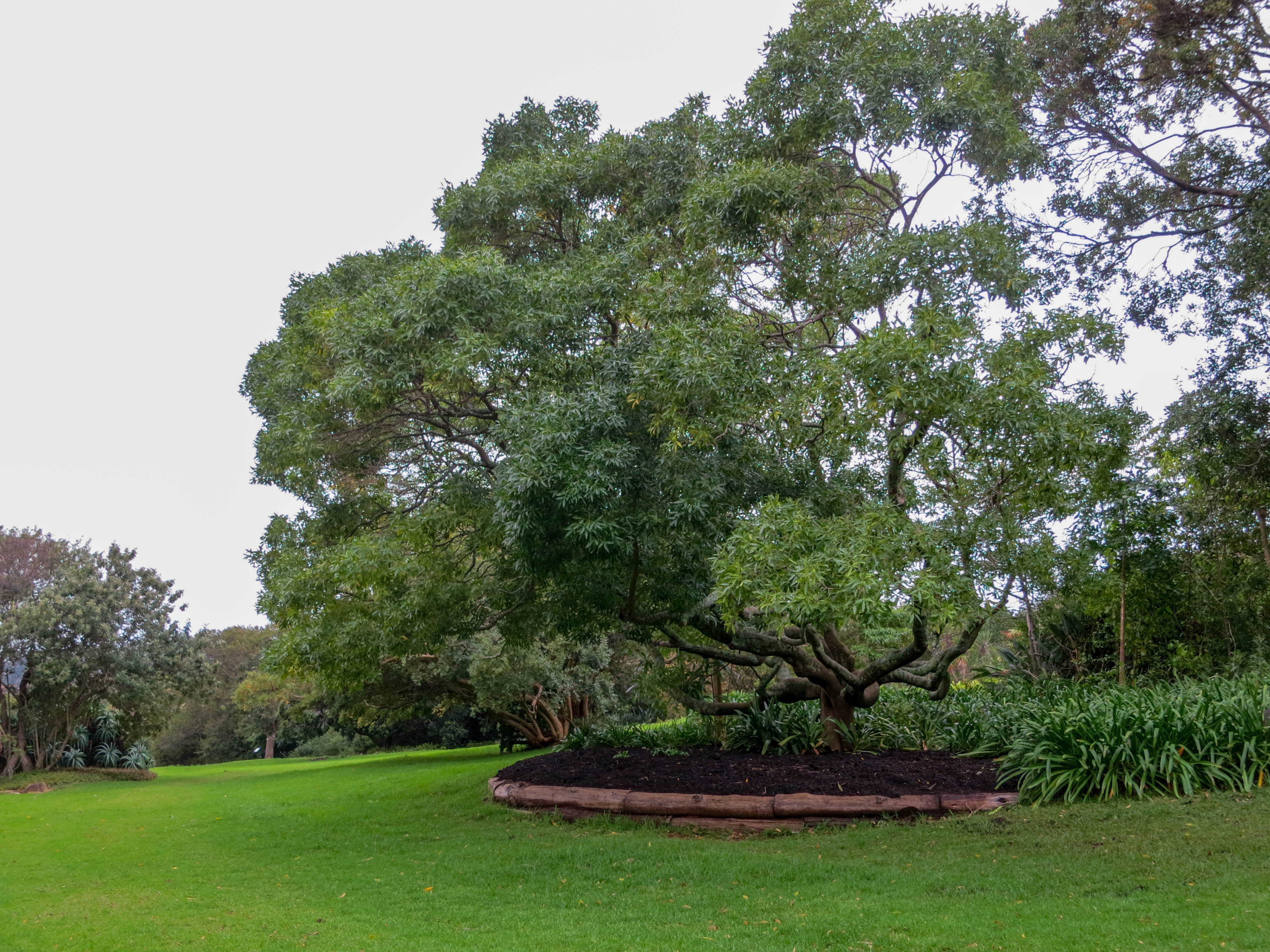
The gardens also have manicured lawns and more formally maintained trees
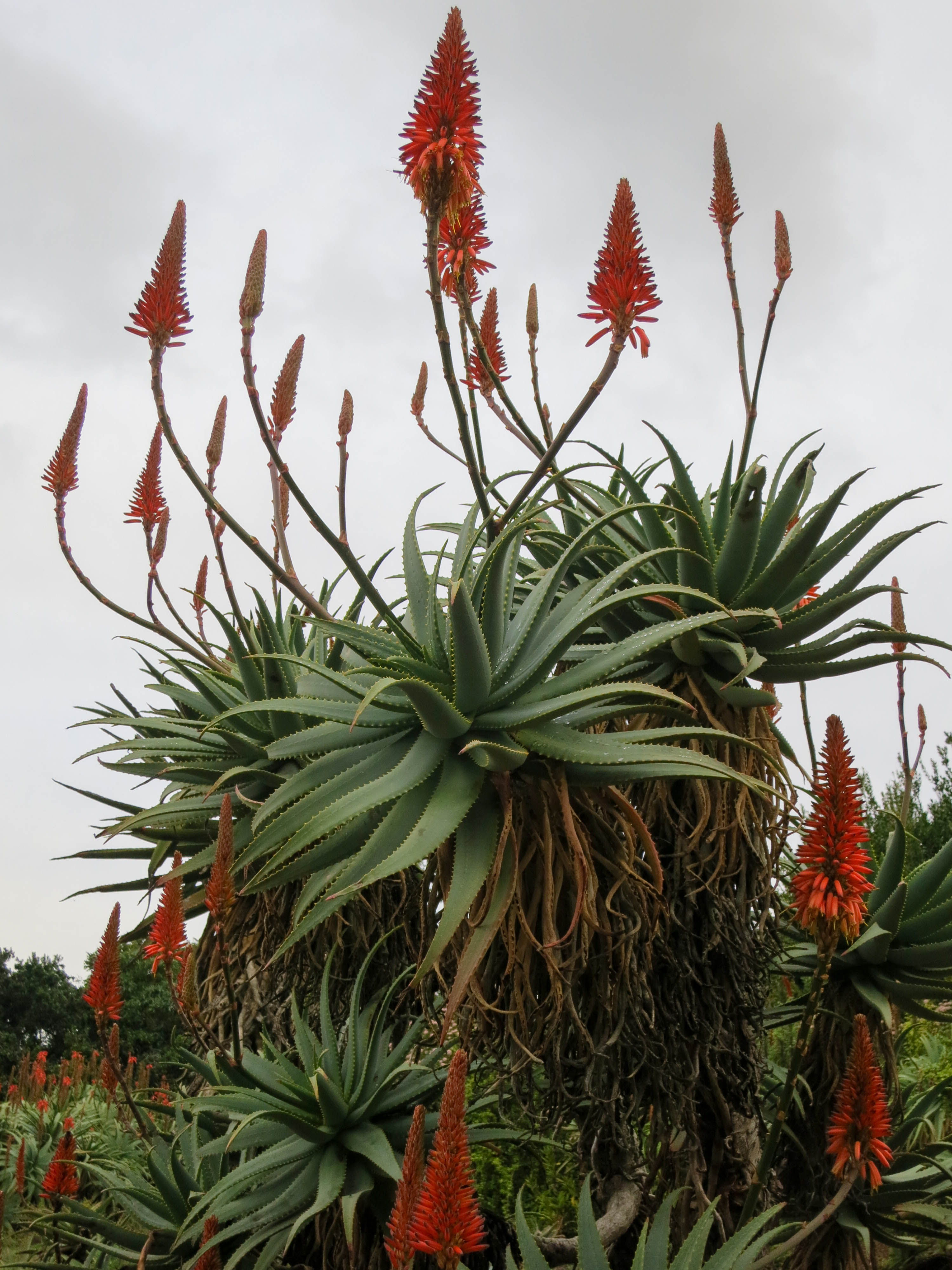
Large flowering succulents that remind me a bit of aliens
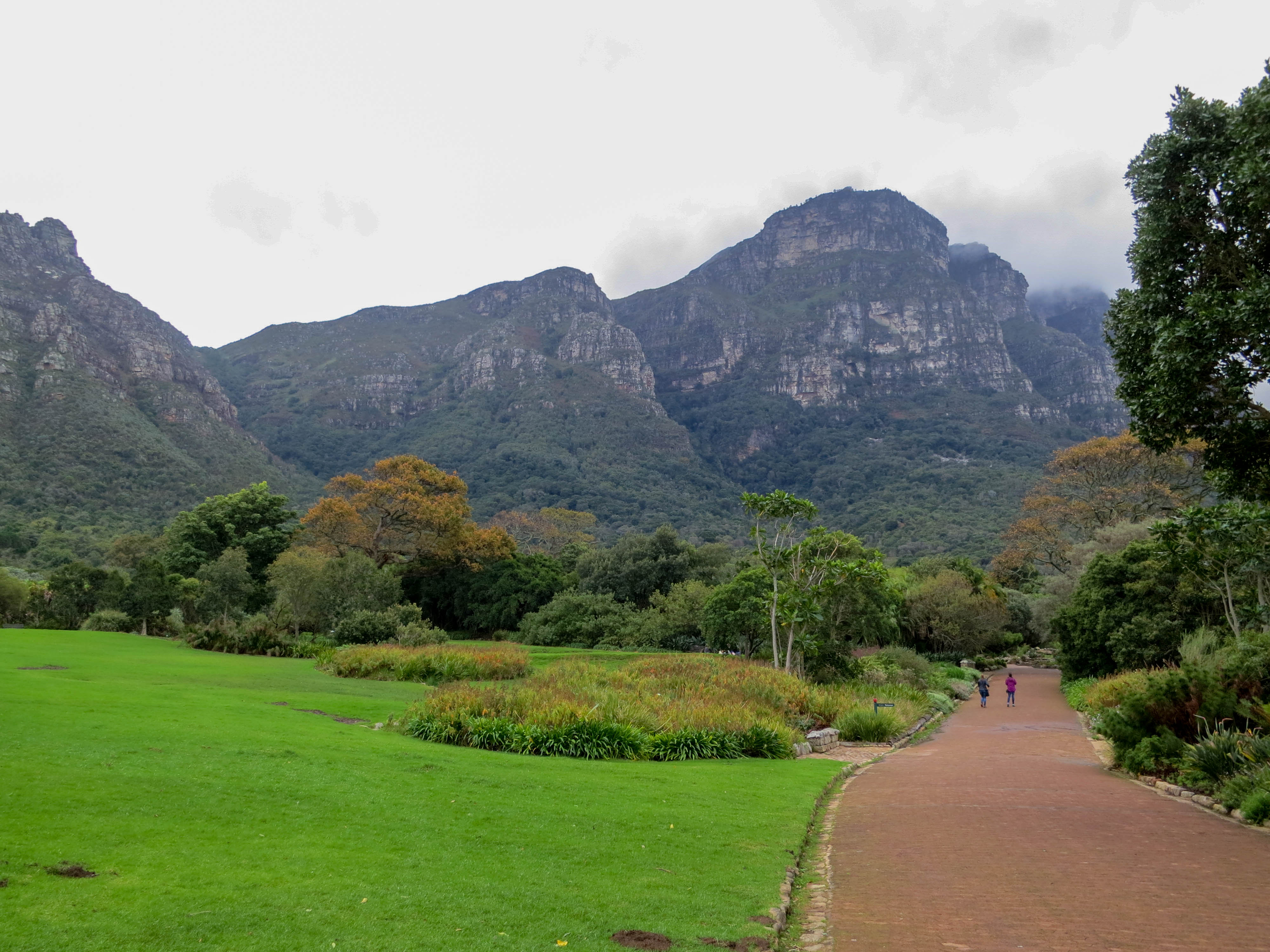
Table Mountain is an imposing but beautiful background to the views in the gardens
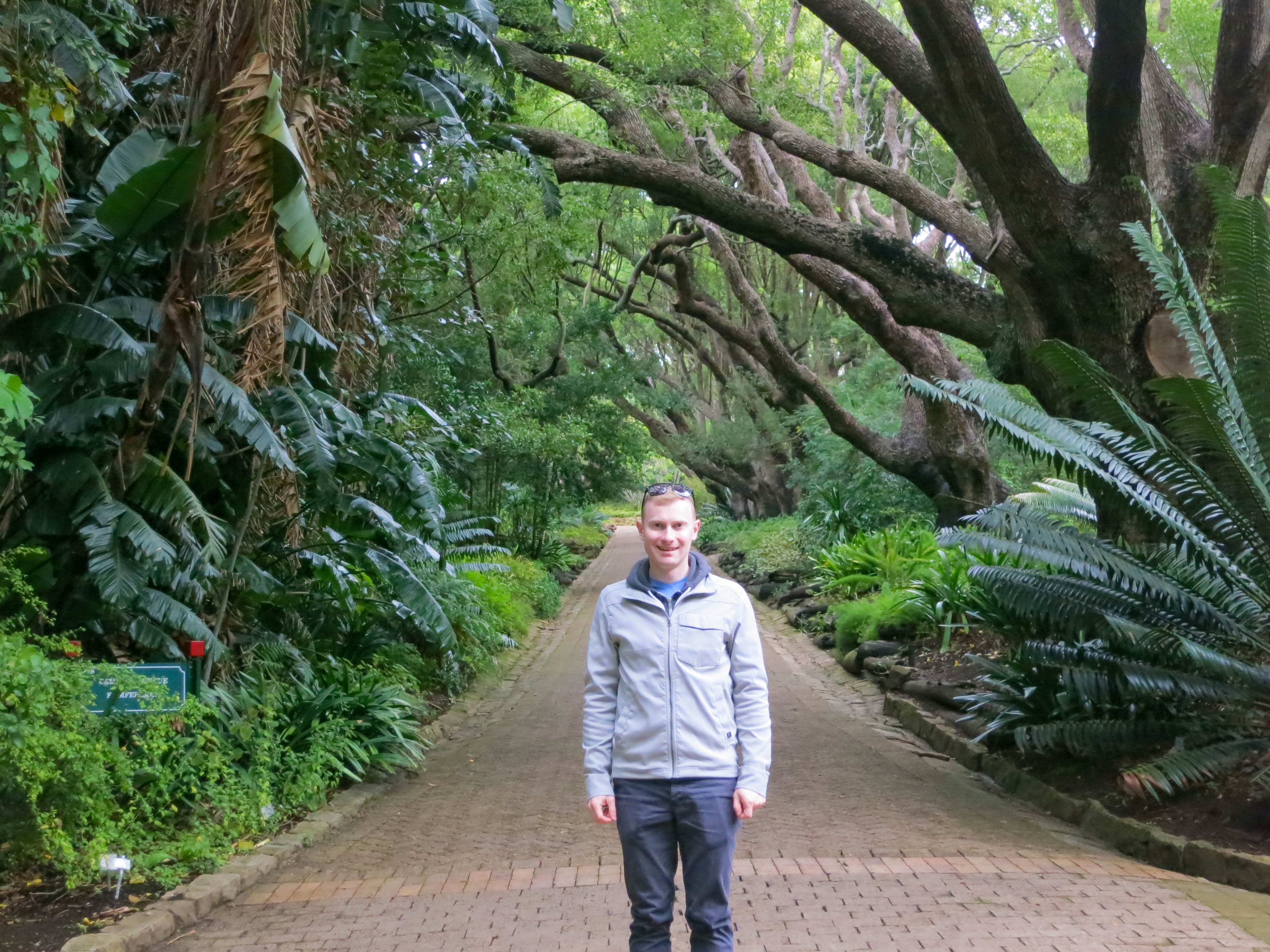
Me in front of Camphor Avenue - a road dating back to the late 1800s. The trees were planted by Cecil John Rhodes and are over 100 years old