We had a good sleep and woke up as if we hadn’t flown halfway around the world less than a day before. We woke up at roughly 7:30, and then had a bit of a leisurely morning. This was going to be our only quiet morning for several days, so we made the most of it. We got up, got ready for the day, and went down to have breakfast at the hotel. It was a hot buffet with a wide range of food choices, and we made sure to fill up in anticipation of a long day out. We left the hotel shortly after 9:30, and began by walking back to the Anzac memorial. The sun was shining brightly as we reached the memorial - the morning fog had not completely lifted, and it shimmered as the sun reached down through the trees lining the path up to the reflecting pool. The Anzac monument was constructed to memorialize the members of the Australian armed forces who died fighting in World War 1. It is an impressive three story structure that was constructed in the early 1930s.
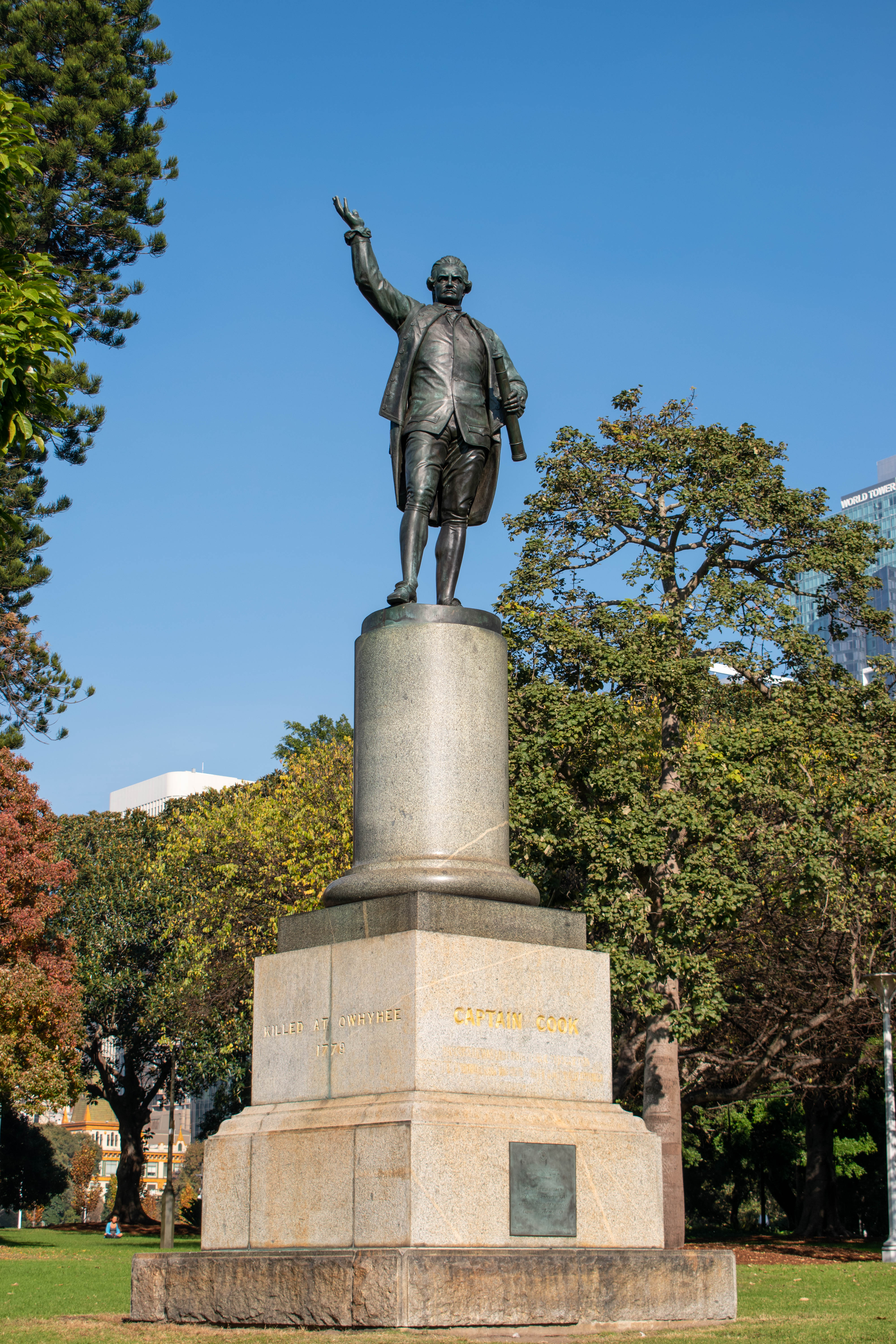
A statue of Captain Cook in Hyde Park. He is a frequent presence in Sydney - he led an expedition which reached the eastern coast of Australia in 1770
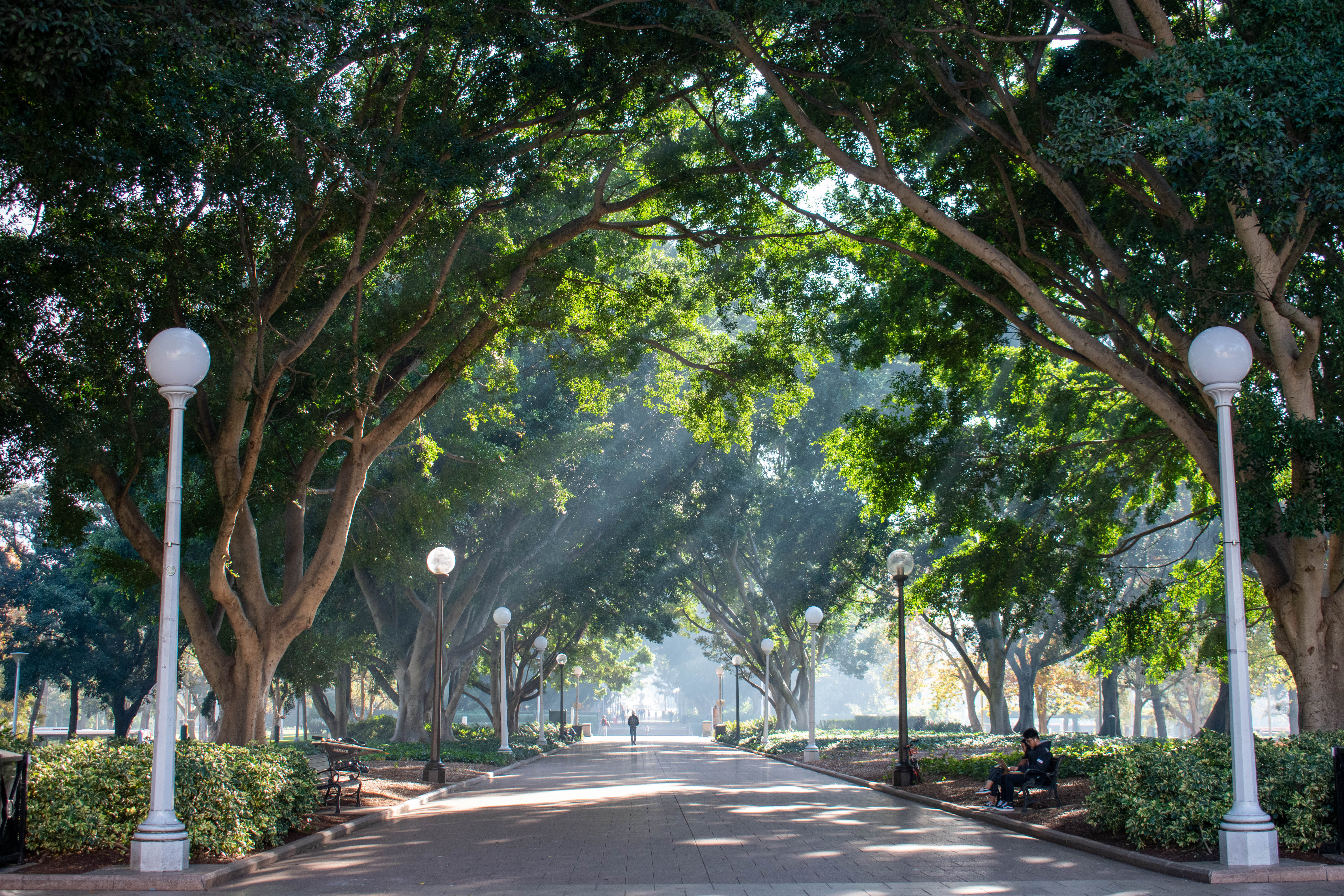
The sun peeking through the trees in Hyde Park
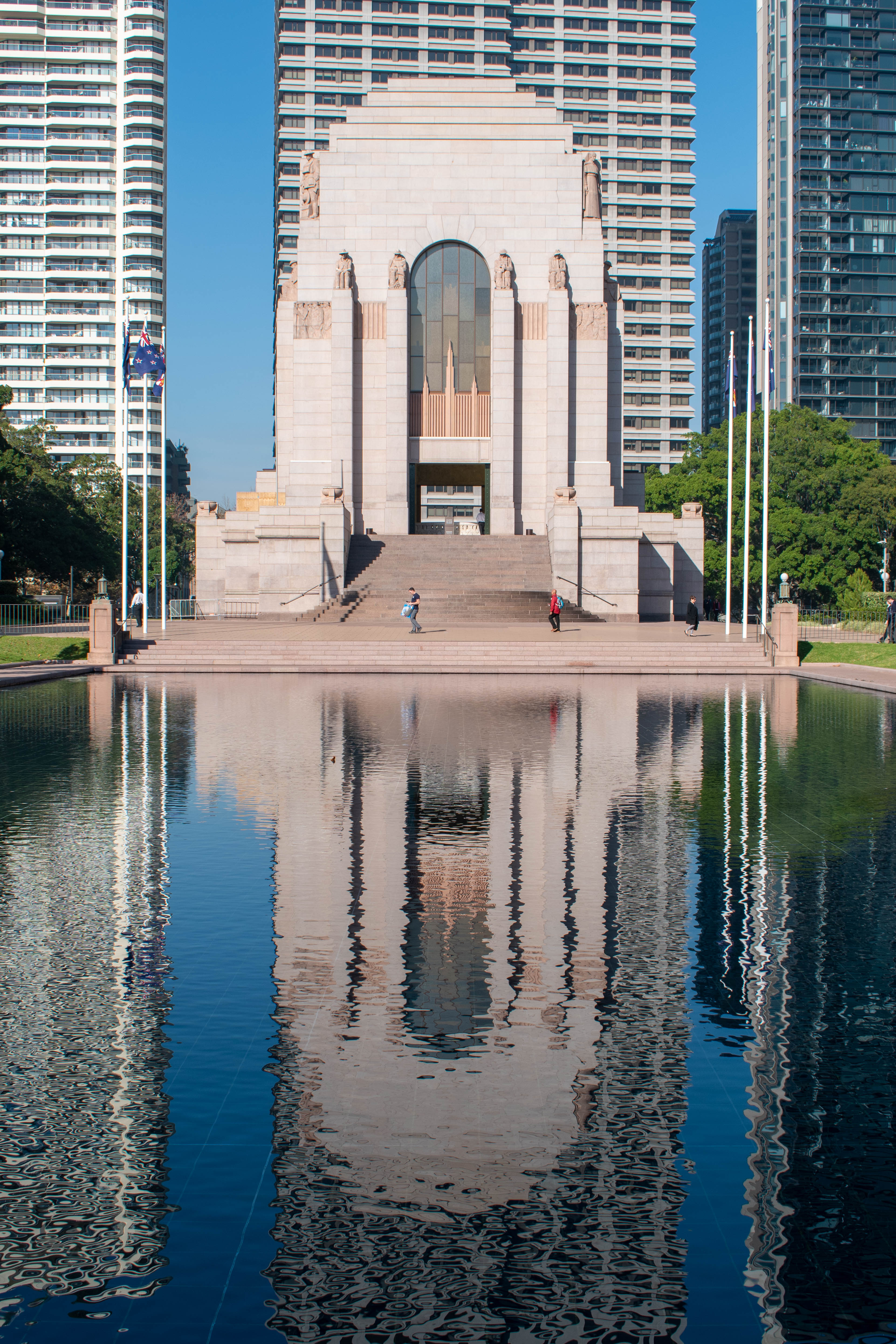
The Anzac memorial.
We circled the memorial, then entered on the main floor through a door on the western side of the memorial. At the top of the staircase was the main part of the memorial, a large room clad in white marble with a domed roof that is covered in small gold stars. These gold stars, numbering over 120,000, represent each person from New South Wales who served in World War 1. At the centre of the memorial is a circular opening in the floor which looks down to the floor below, revealing a sculpture of a fallen soldier resting upon his shield and being held up by his mother, sister and wife. The 4 corners of the room contain sculptures and reliefs honouring the 4 major branches of the military - the airmen, the Navy, the Army, and the medical corps. This hall is impressively tall, and it makes people who stand inside and look up feel insignificantly small. After taking in this part of the monument we went back down to the main level and walked through several exhibit galleries that show artifacts from WW1, along with reprinted news articles that help to give context to the artifacts. We continued on by going down to the basement floor, part of a recently opened expansion of the memorial. Here were more exhibition galleries that detailed the four branches of the military, with particular emphasis on the roles they played during WW1. We ended up spending about an hour visiting the monument.
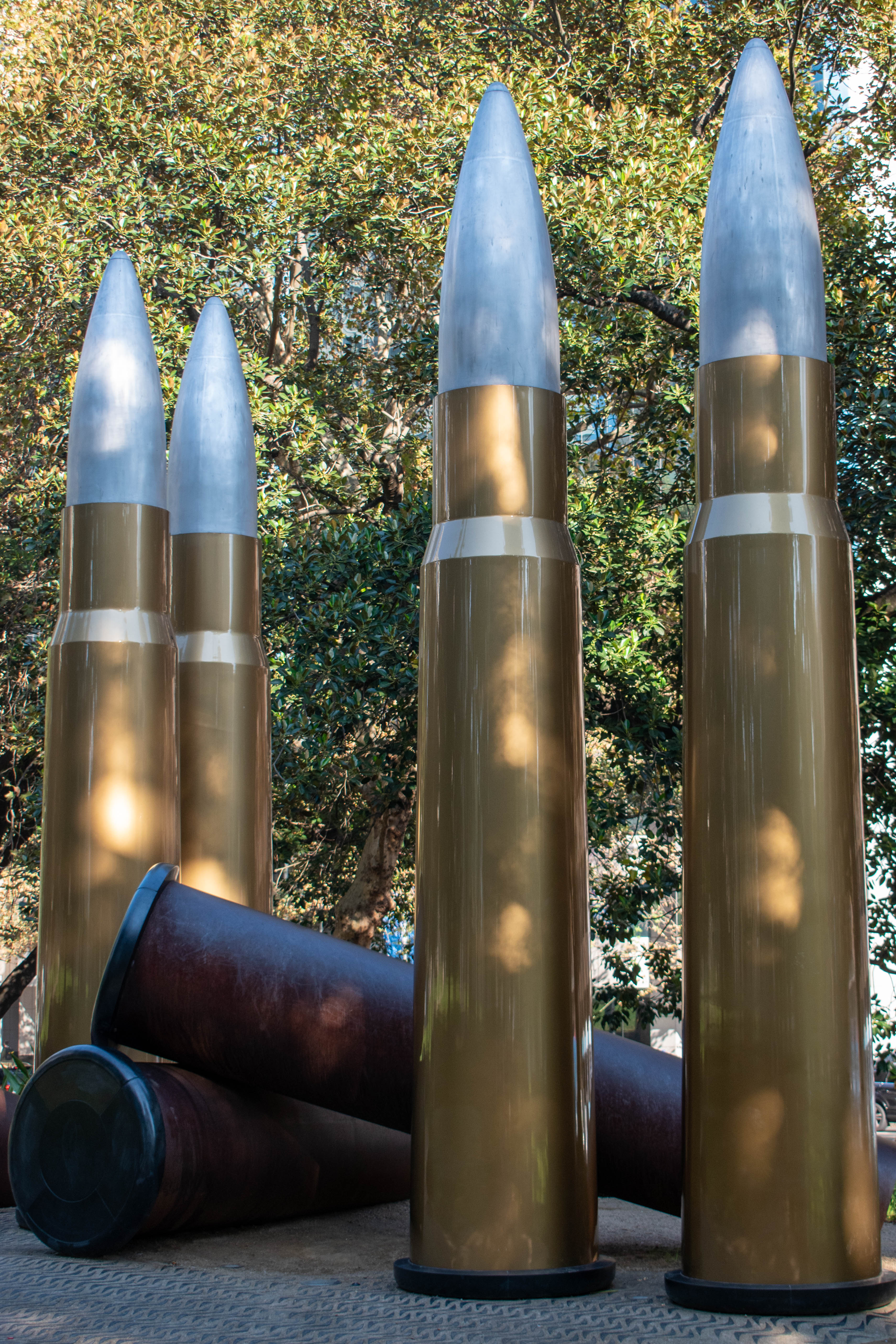
Yininmadyemi, commemorating the sacrifices of Aboriginal and Torres Straight Islander soldiers, is located right beside the Anzac memorial
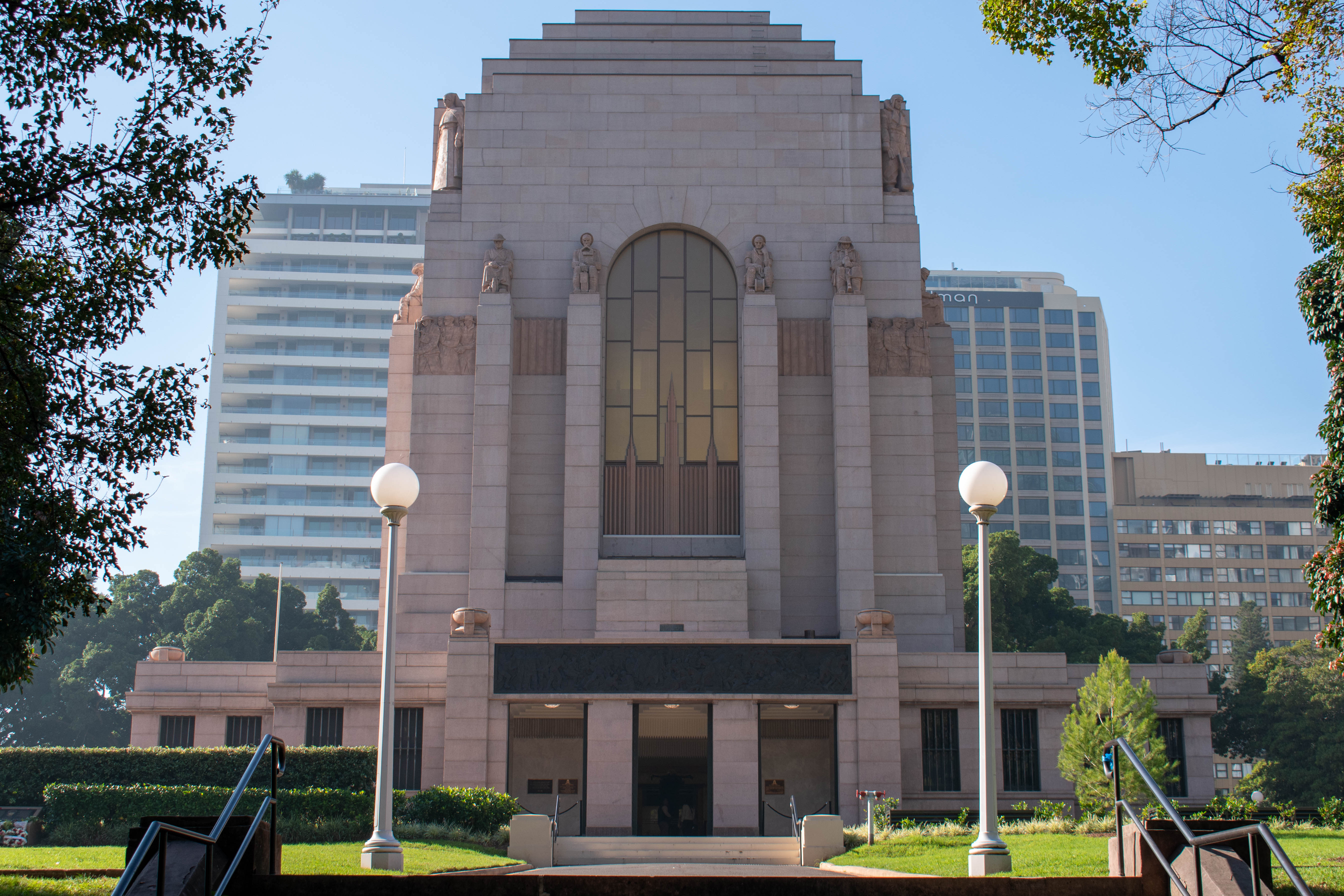
The Anzac memorial from the side
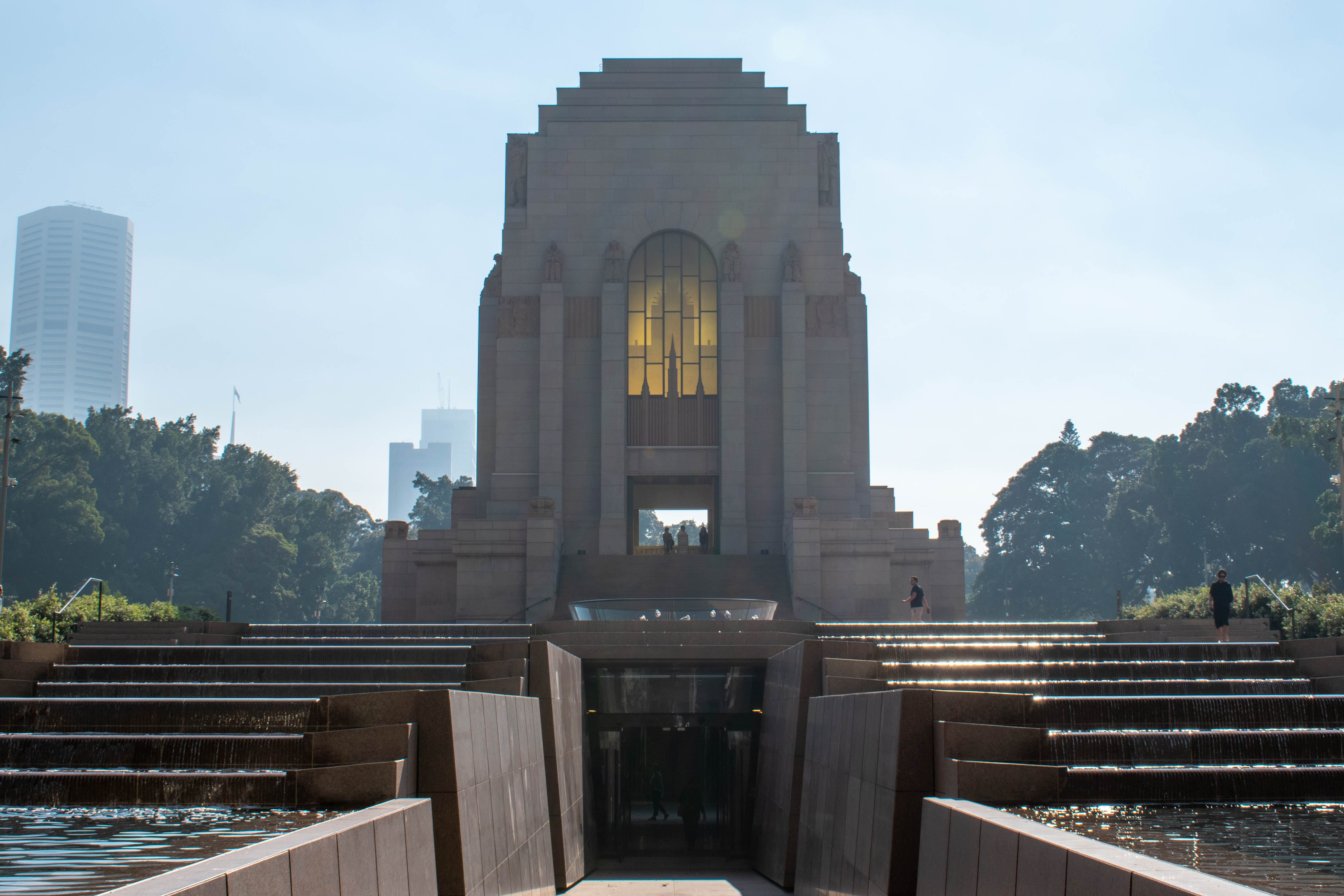
The Anzac memorial, as seen from Liverpool Street
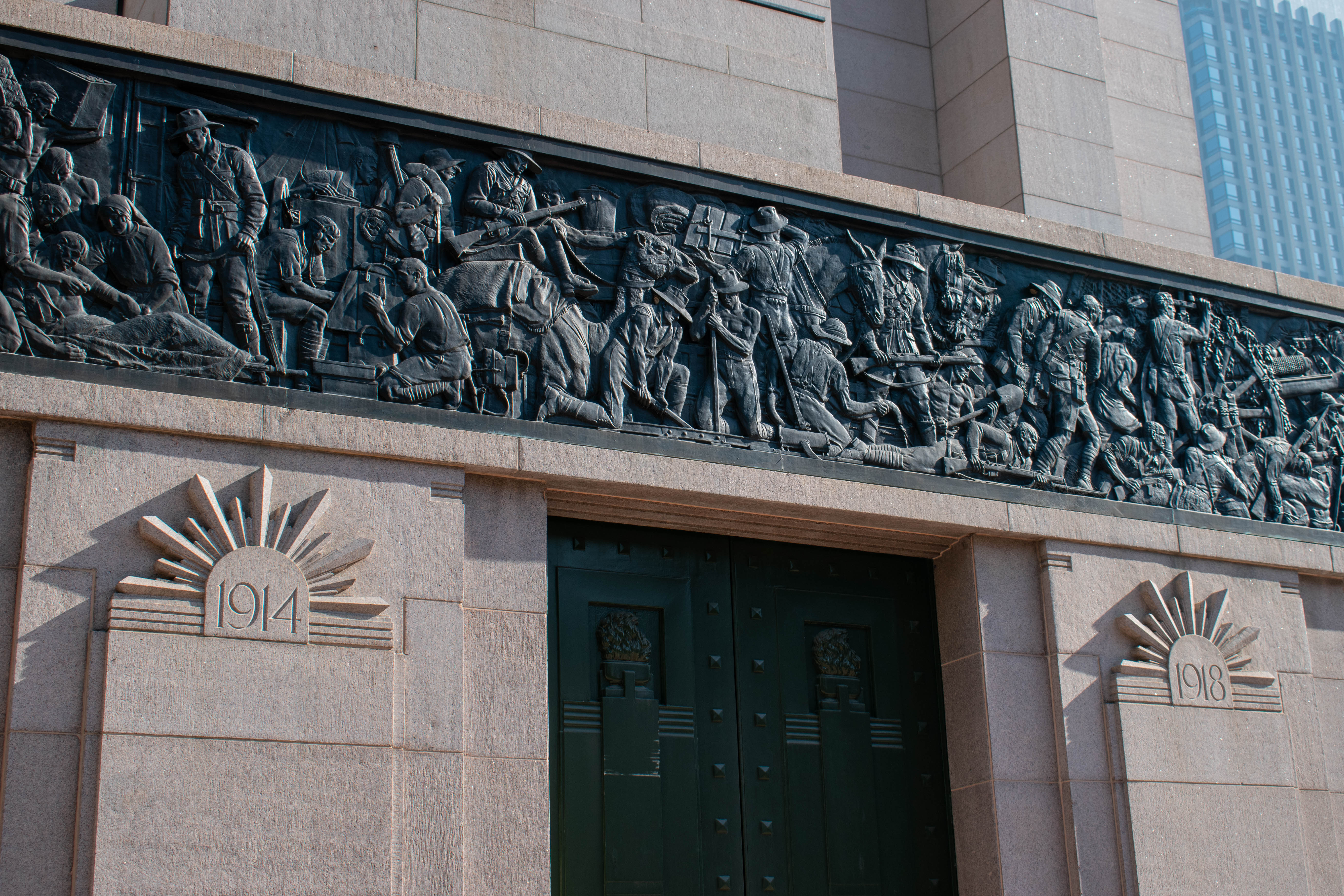
The Anzac memorial
After leaving the memorial we walked back through Hyde Park, heading north towards the harbour. We passed the Archibald Fountain, a historic fountain containing sculptures of characters from antiquity, then crossed the street to get to St. Mary’s cathedral. As we were walking up the front steps to the cathedral we noticed that Mass was currently underway, which was going to prevent us from seeing the inside of the building. We noted the time that Mass would be over, and then continued walking, this time in the direction of the Botanical Gardens. Along the way we passed statues of Queen Victoria and her consort, Prince Albert. We also passed by the Sydney Mint, the oldest public building in the central business district. We took a quick peek inside but there really was not that much to see. We continued on, passing the State Library, before reaching our destination in the Botanical Gardens, the Calyx.
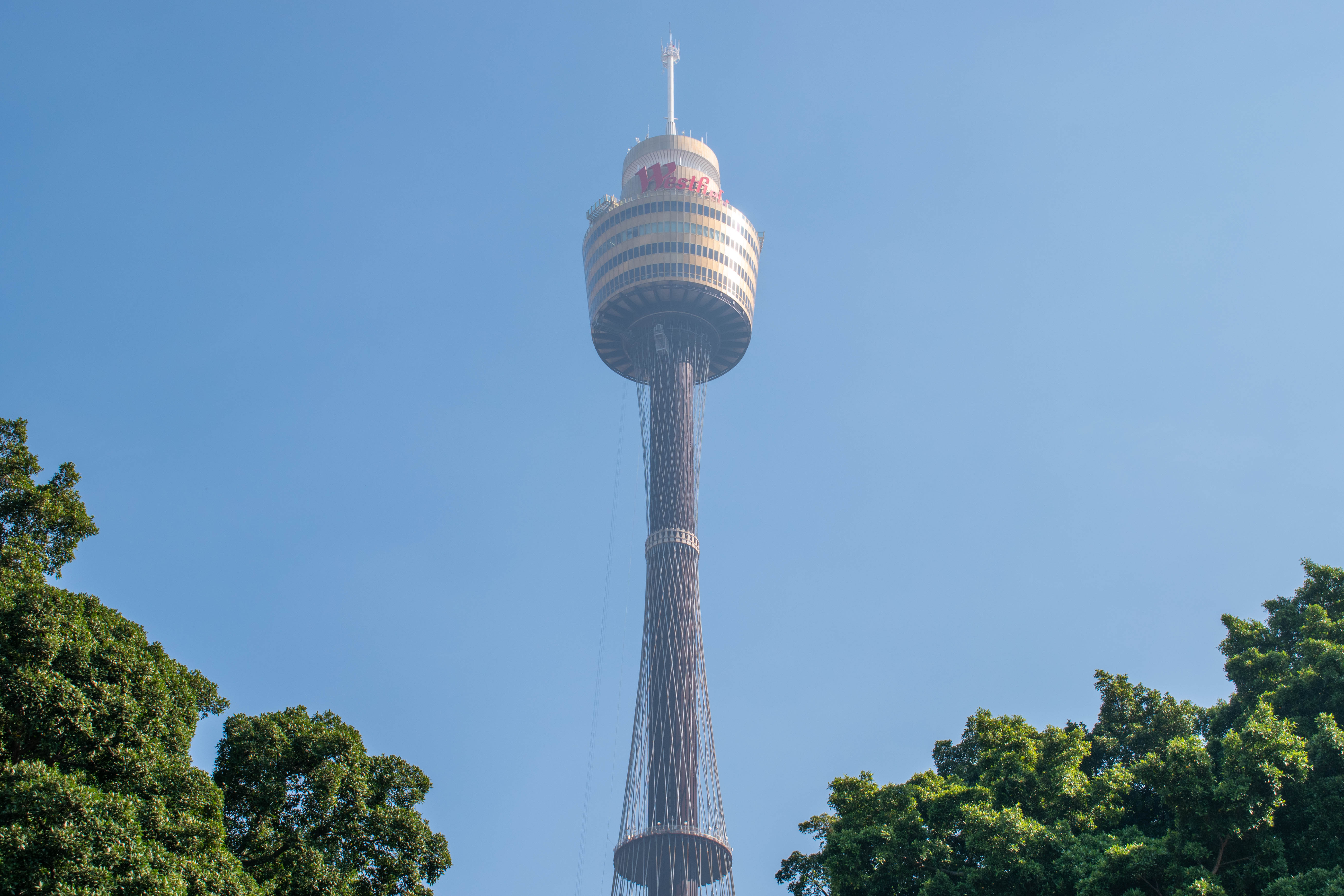
The Sydney Eye
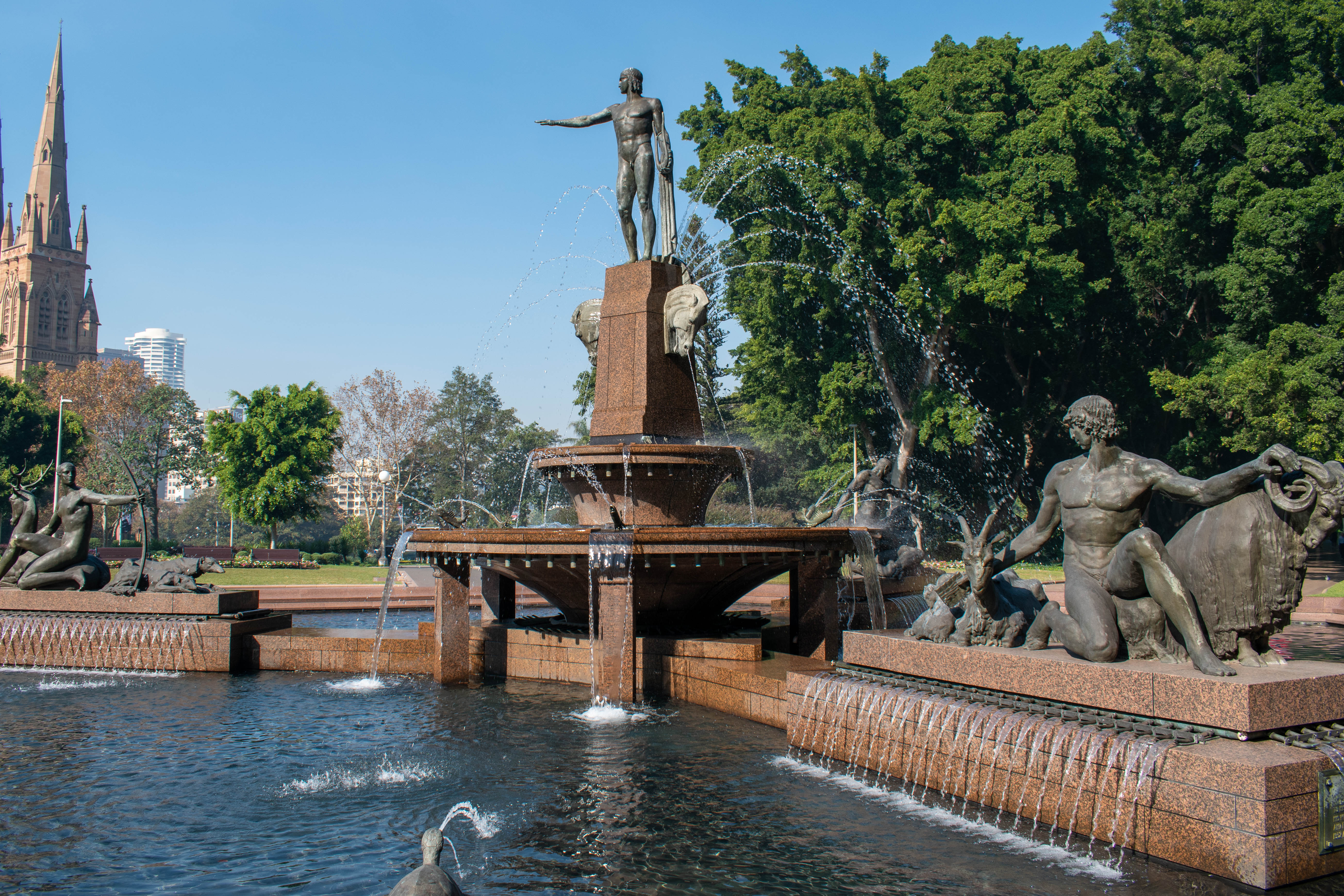
The Archibald Fountain
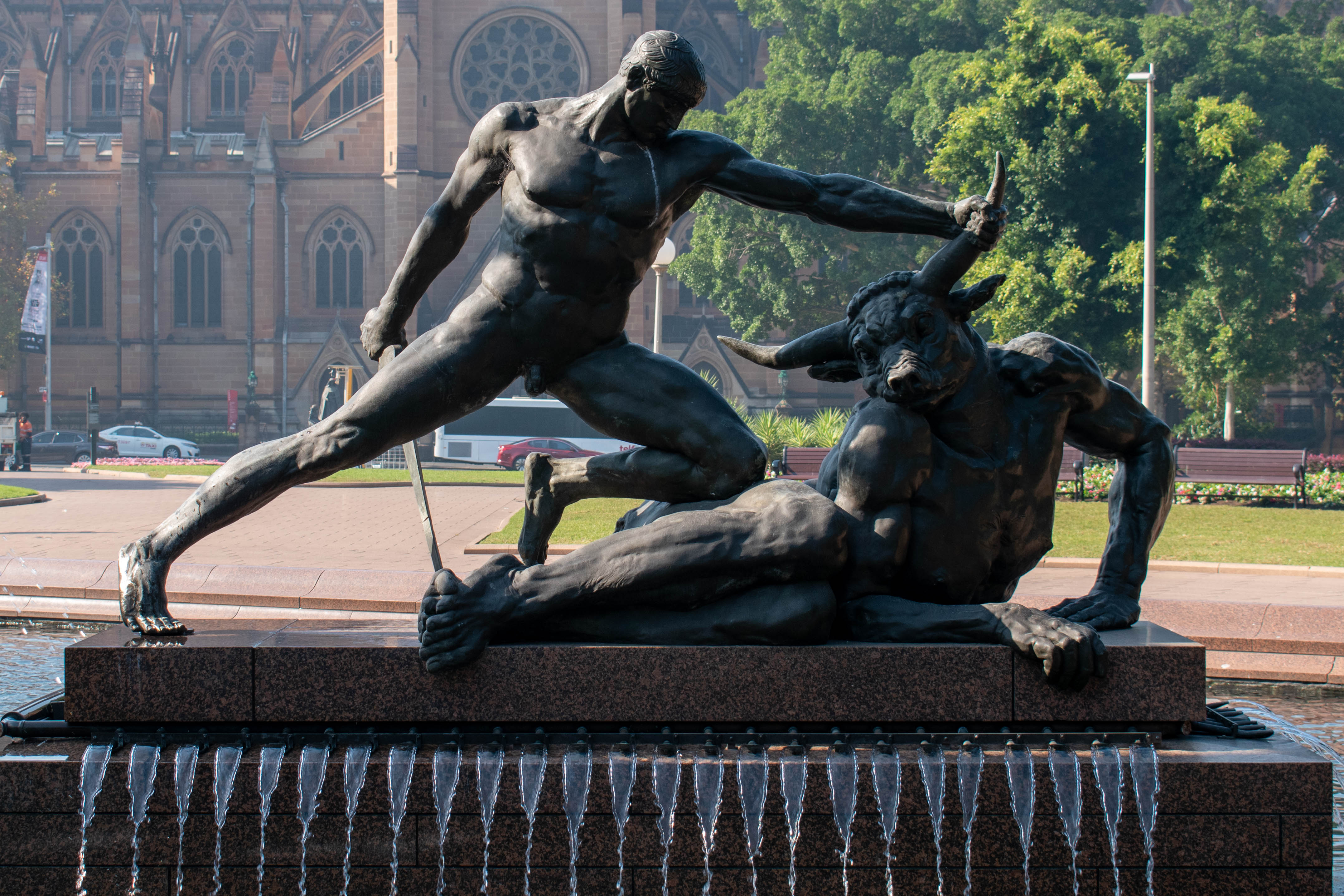
The Archibald Fountain
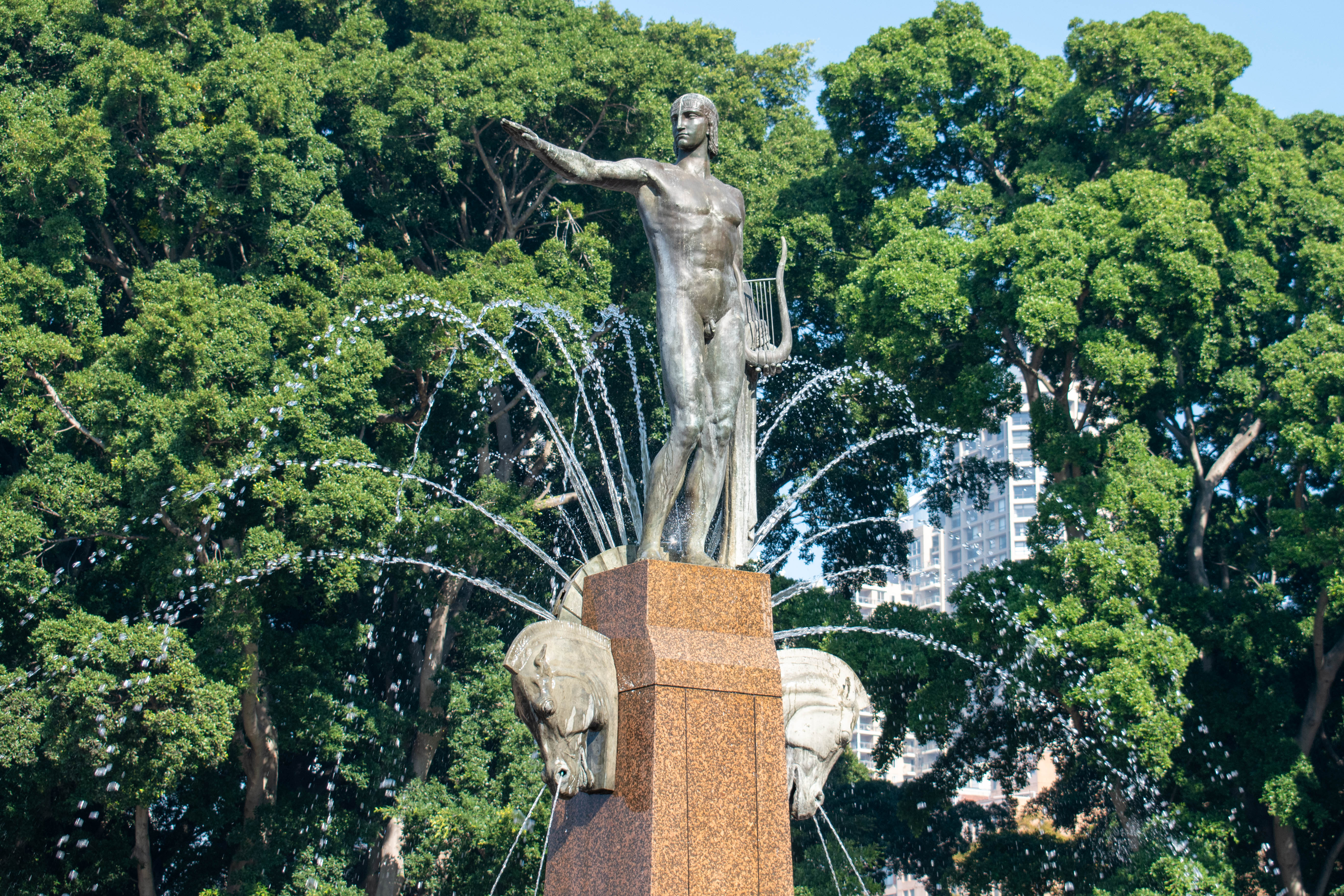
The Archibald Fountain
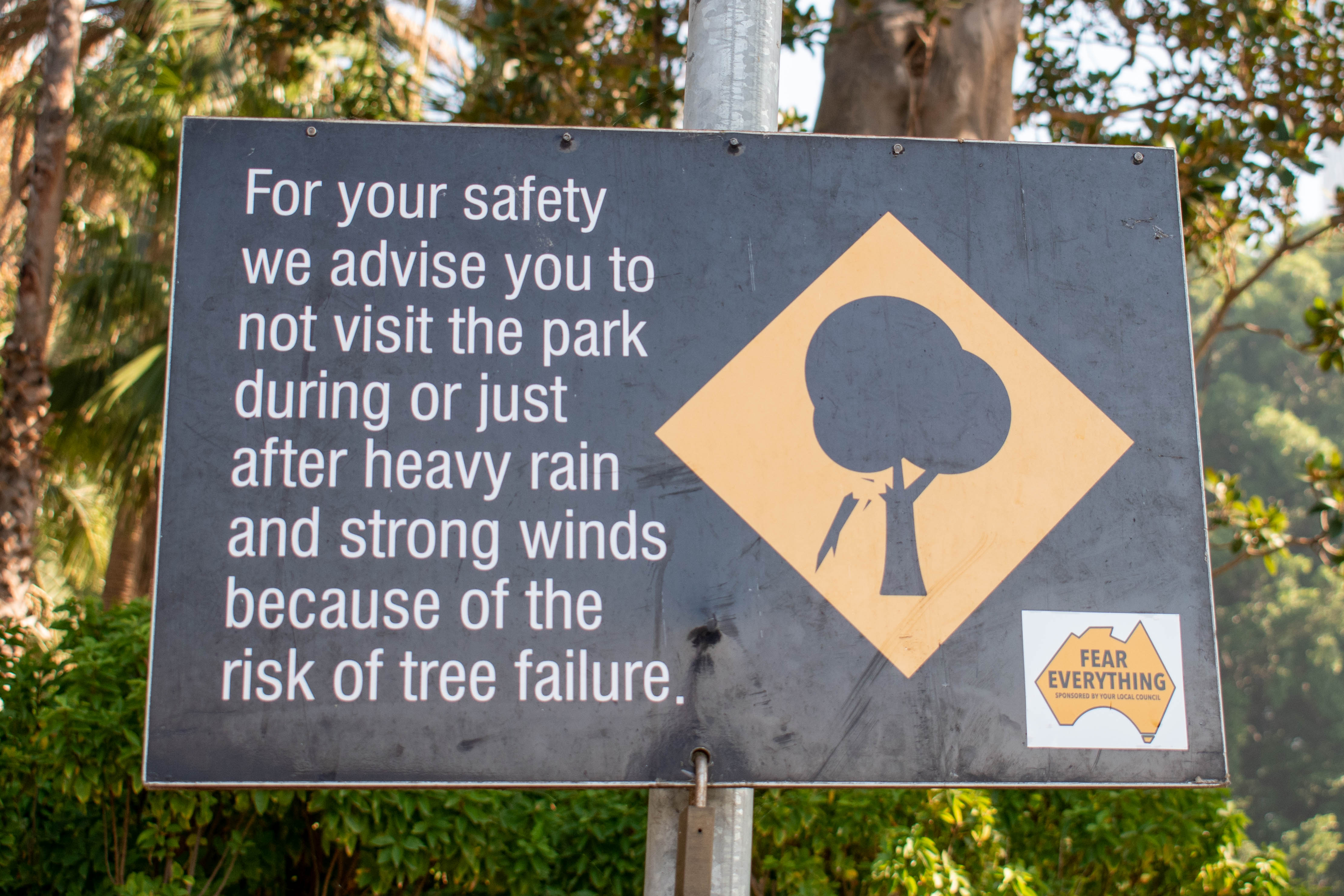
Useful warning in Hyde Park
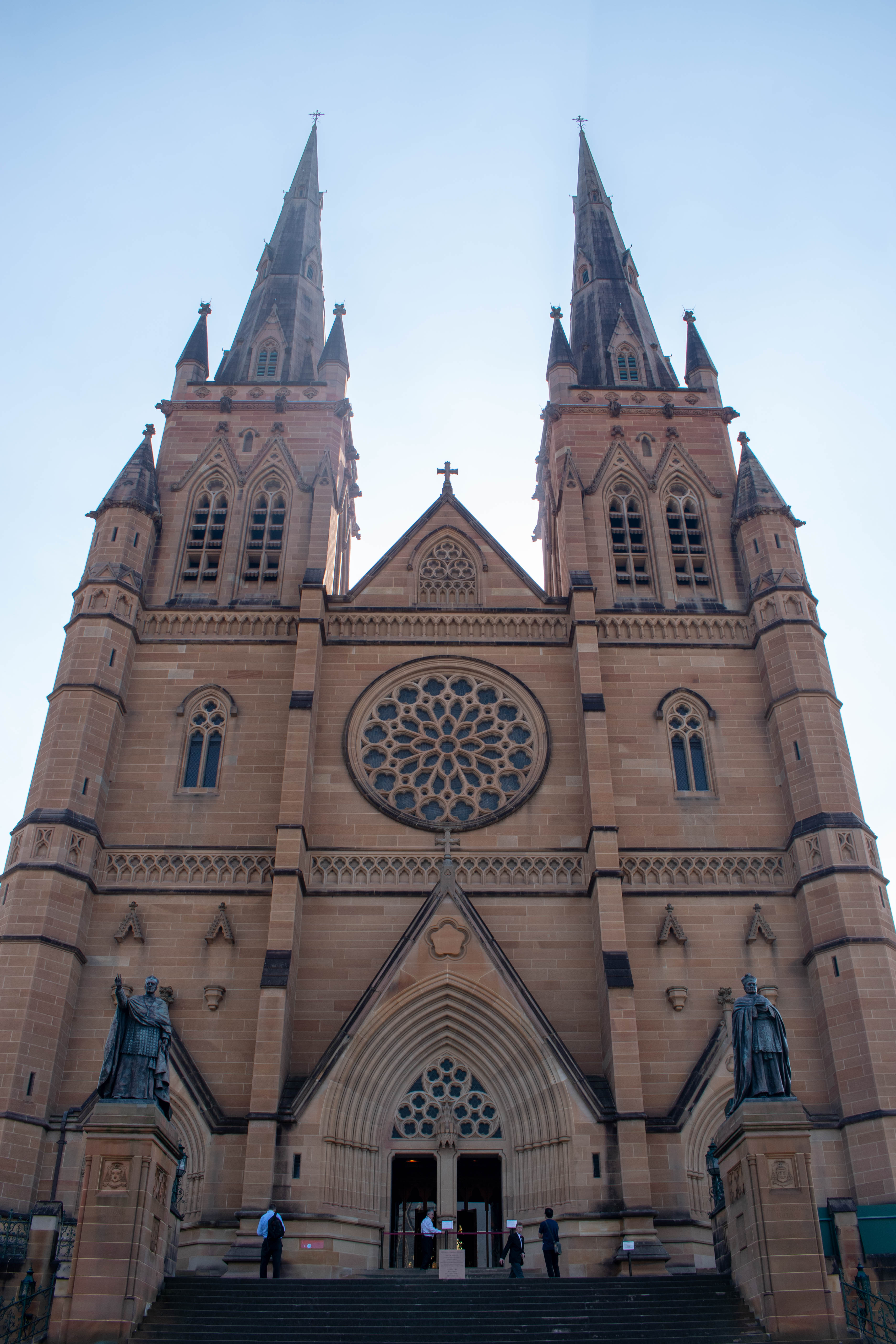
St. Mary's Cathedral
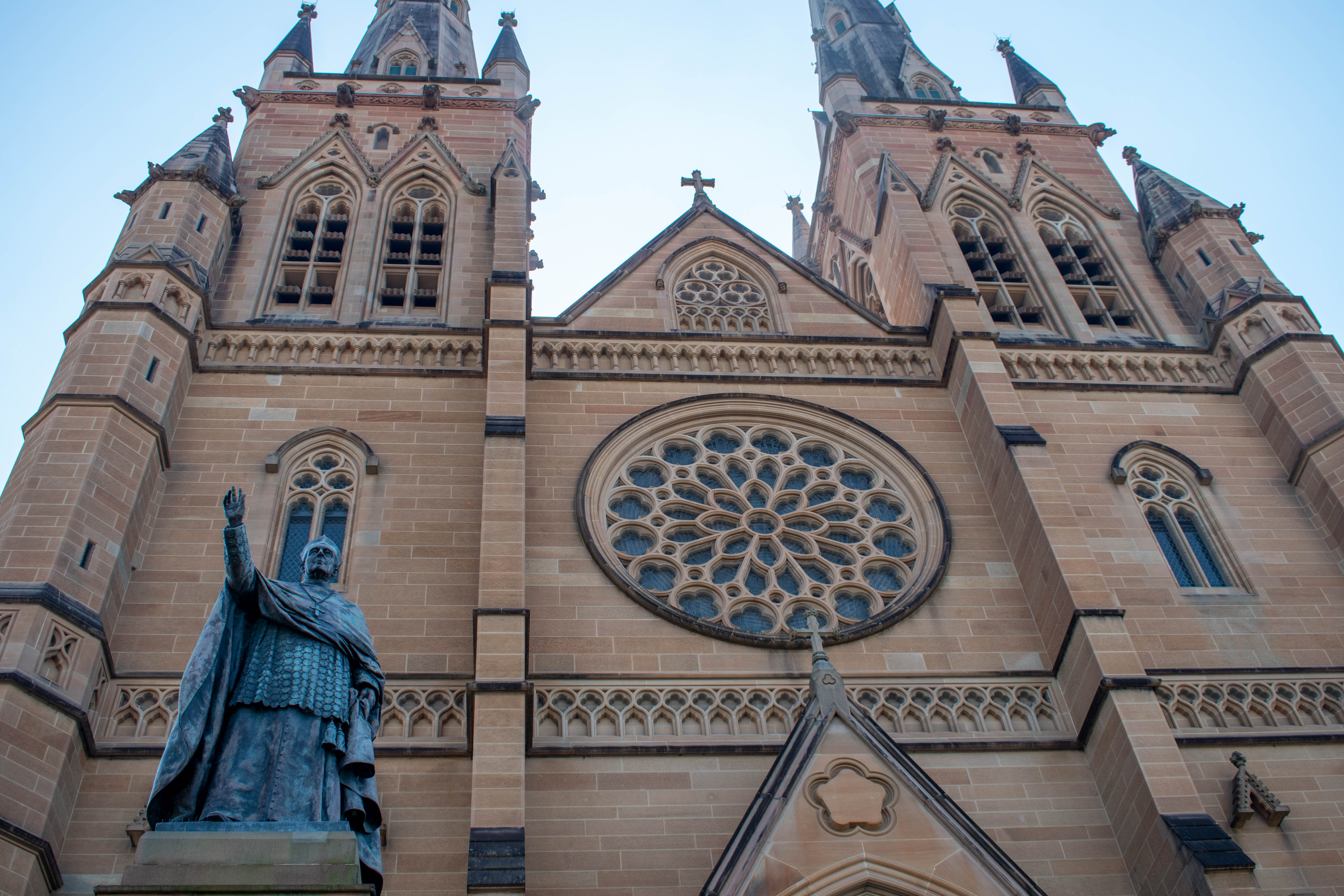
The front of St. Mary's Cathedral
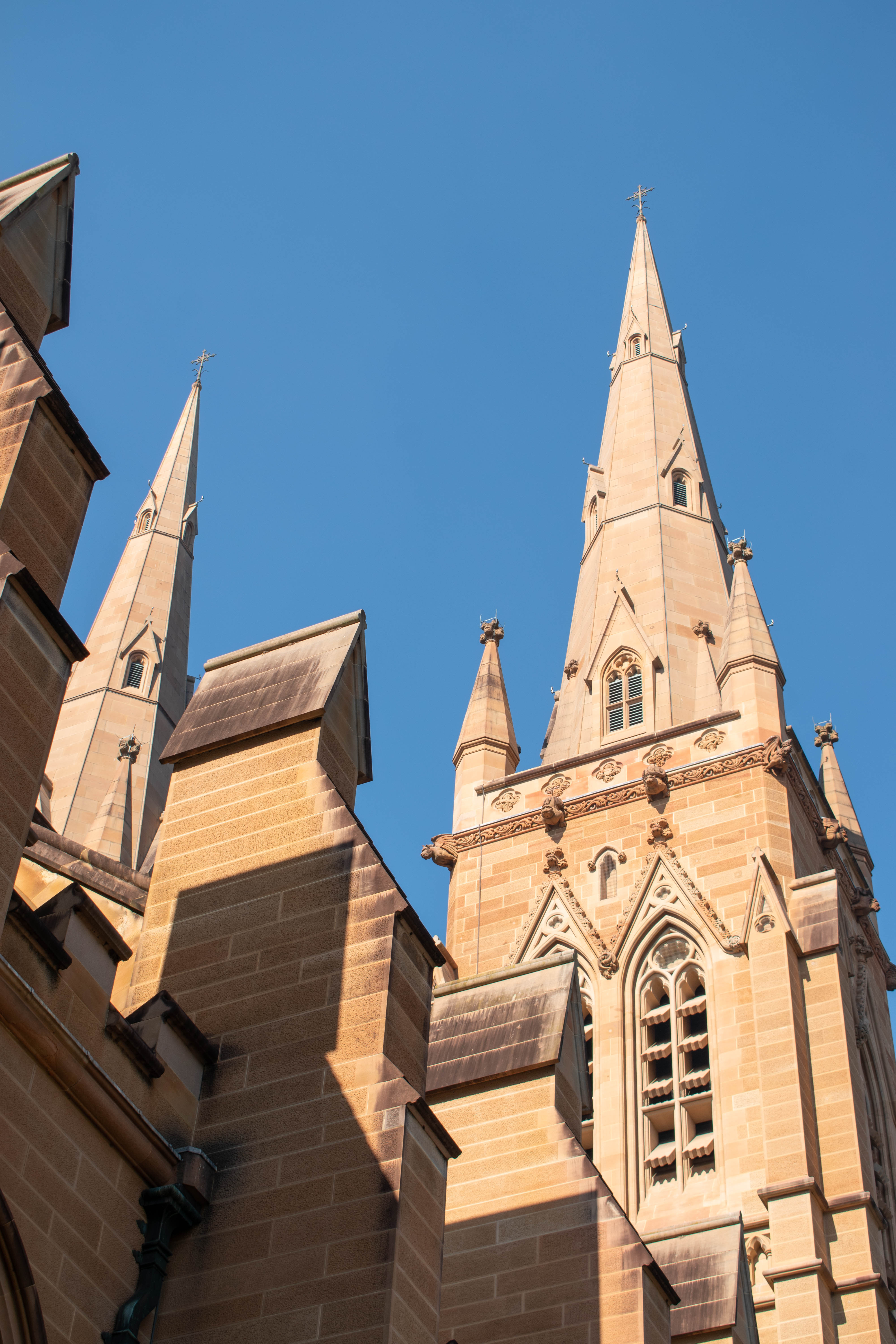
A tower at the side of St. Mary's Cathedral
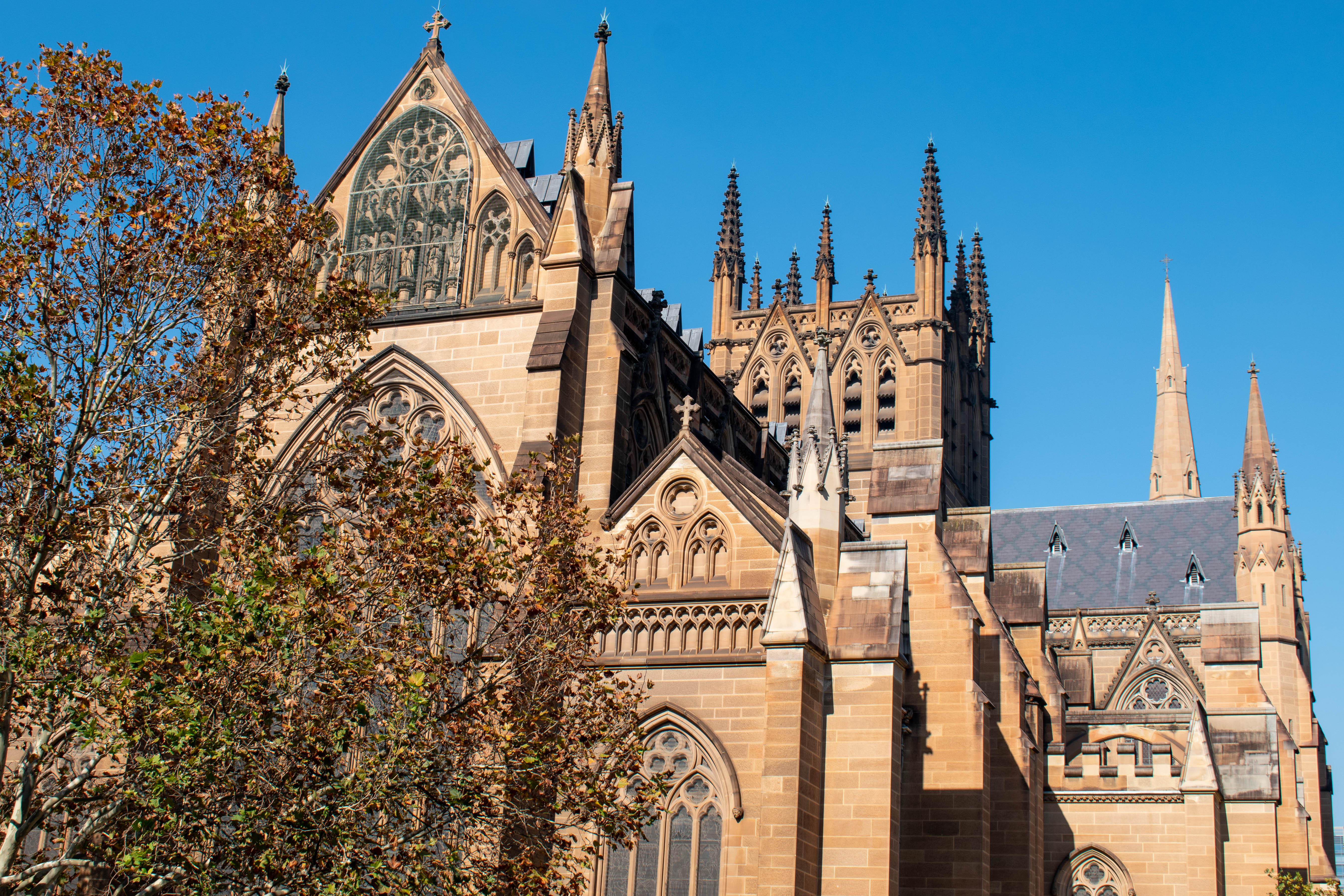
The back of St. Mary's Cathedral
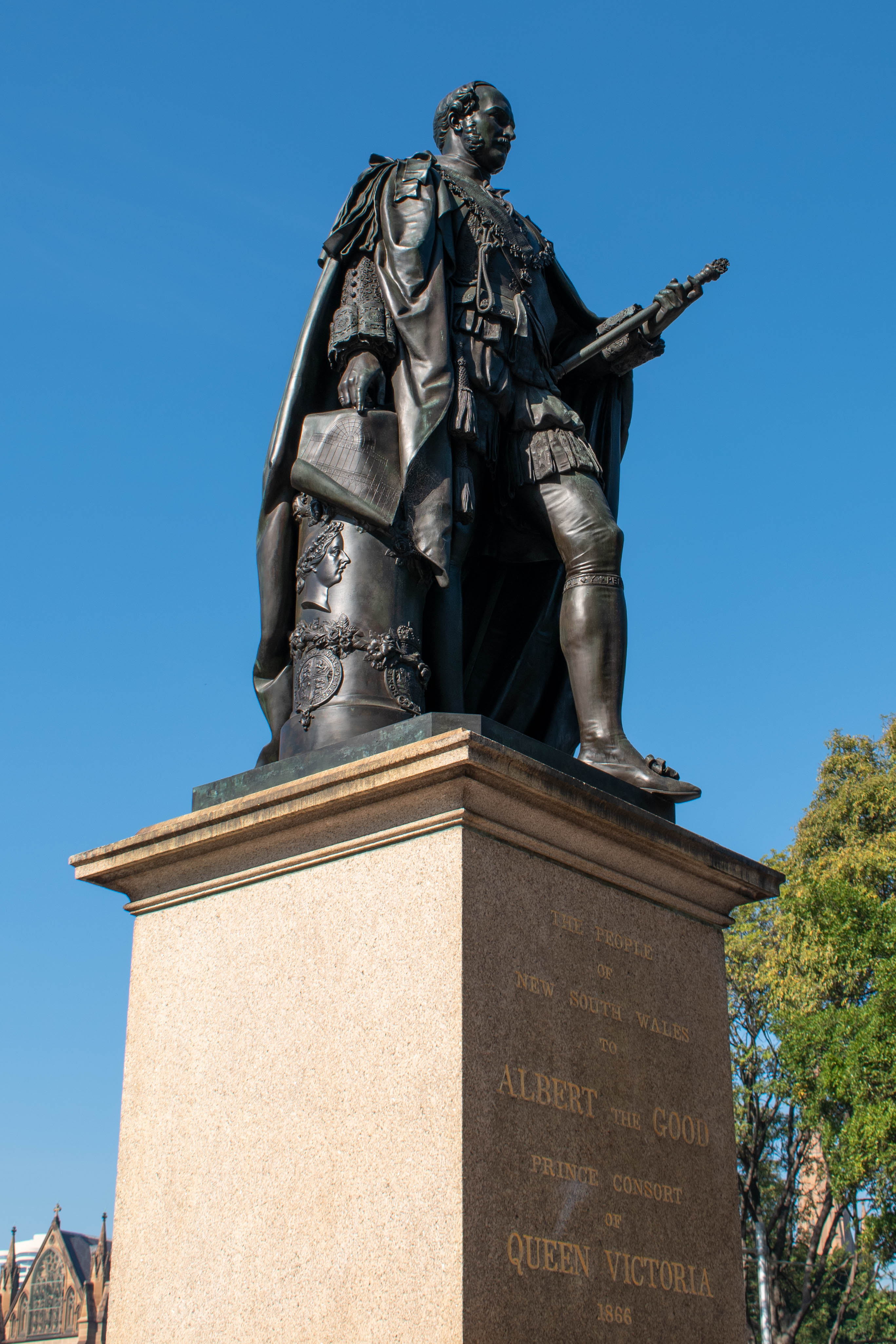
A statue of Prince Albert
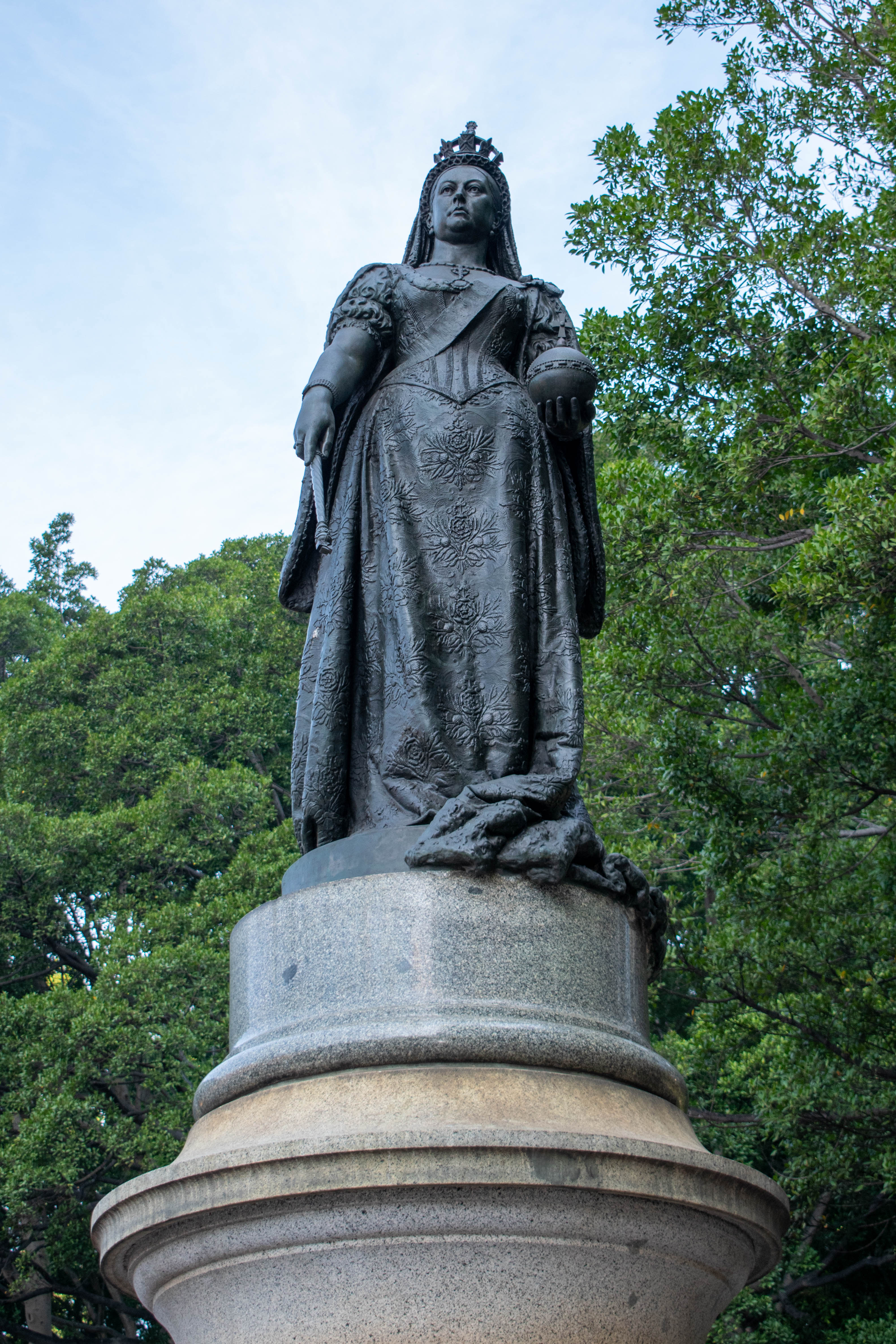
A statue of Queen Victoria
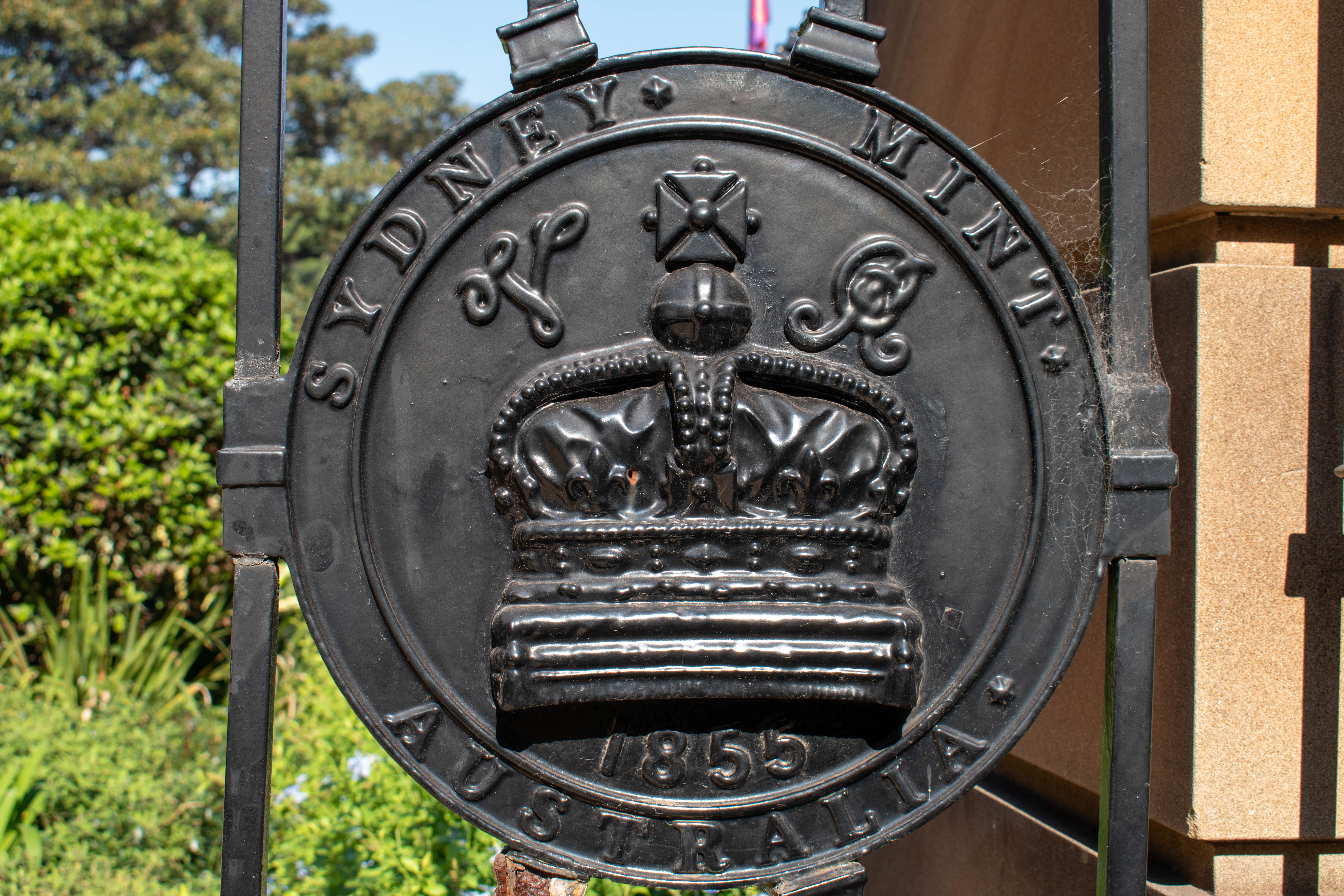
The gate to the old Sydney Mint
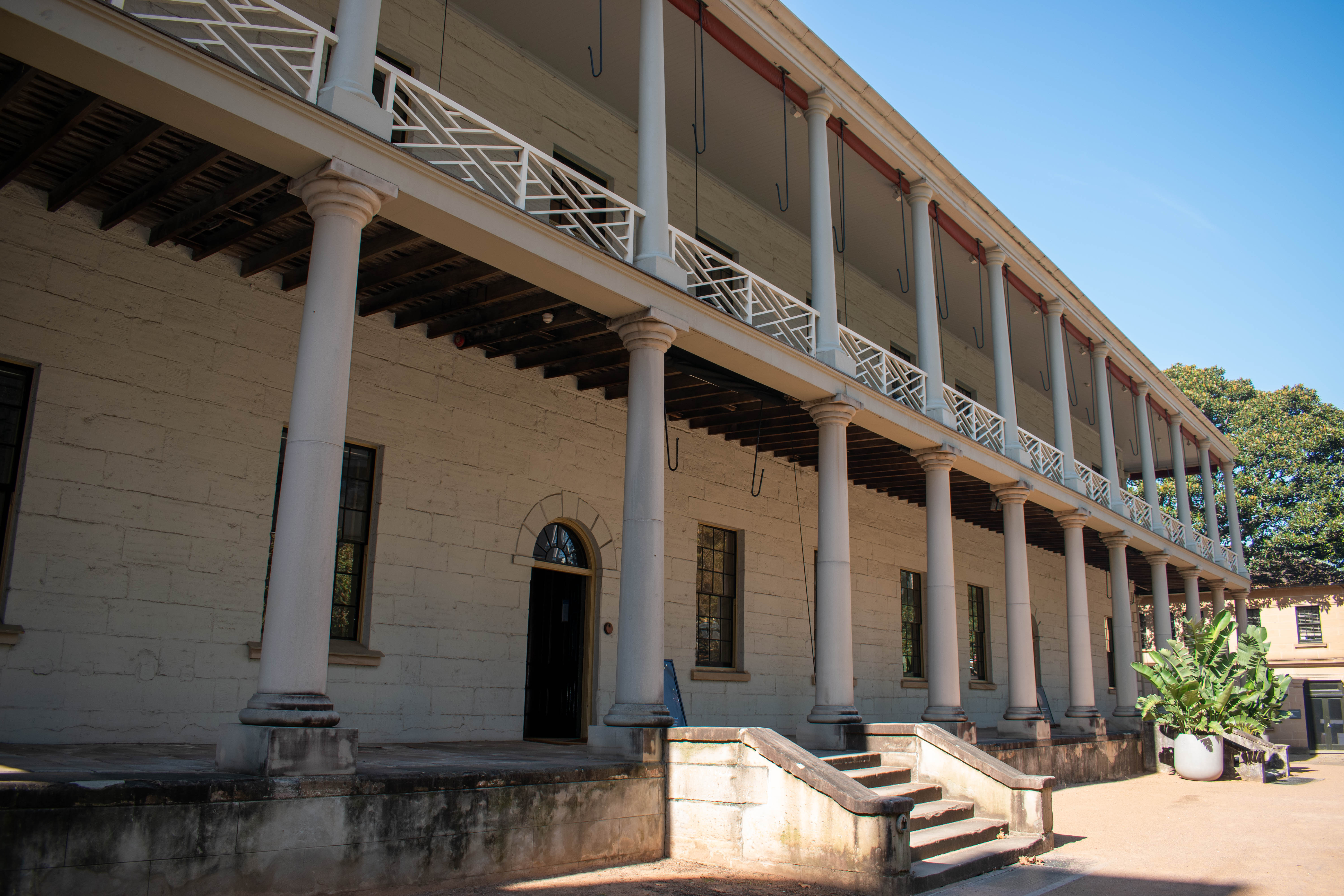
The old Sydney Mint
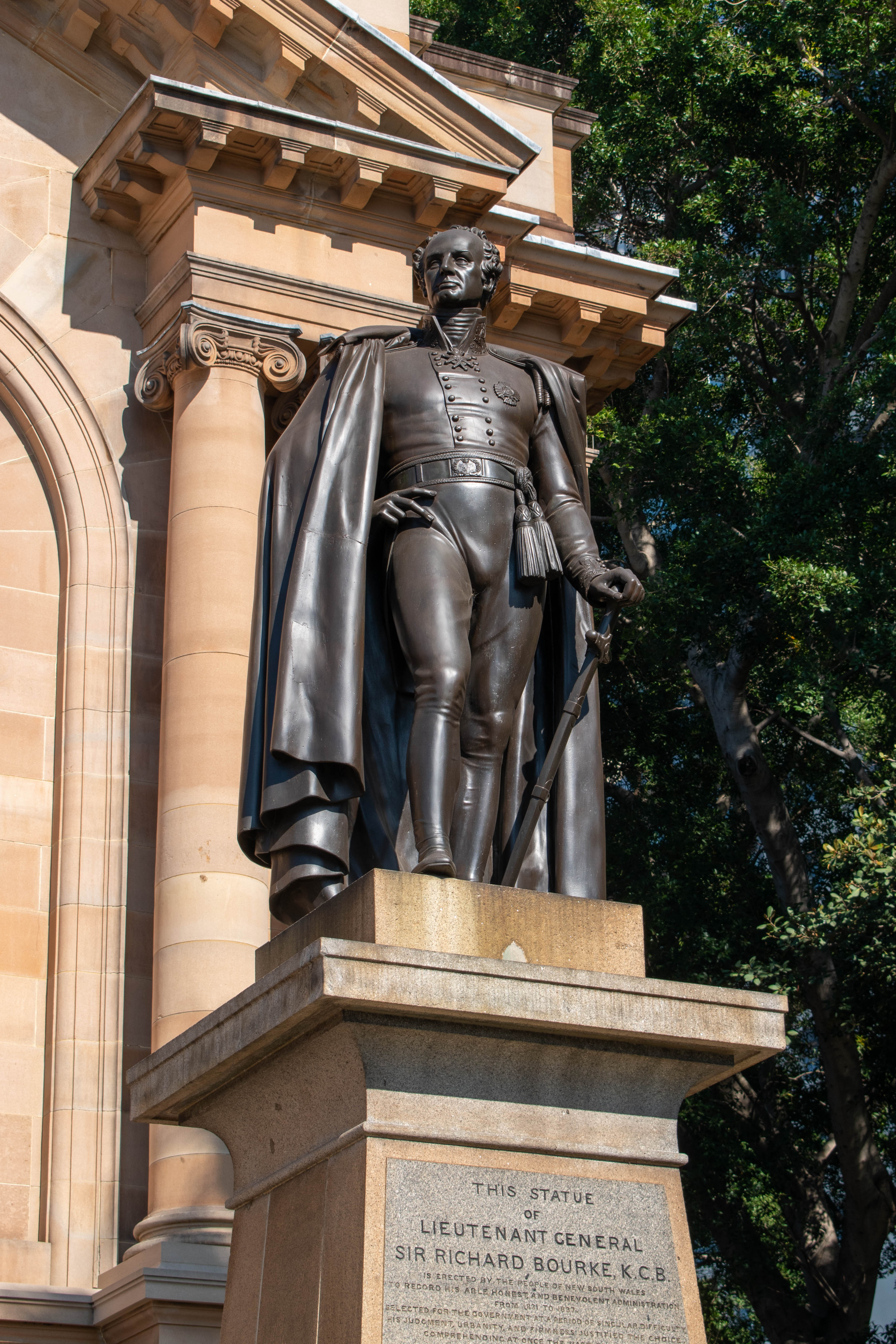
A statue of Richard Bourke, a Governor of New South Wales who approved the settlement of Melbourne. This is the first public statue erected in Australia.
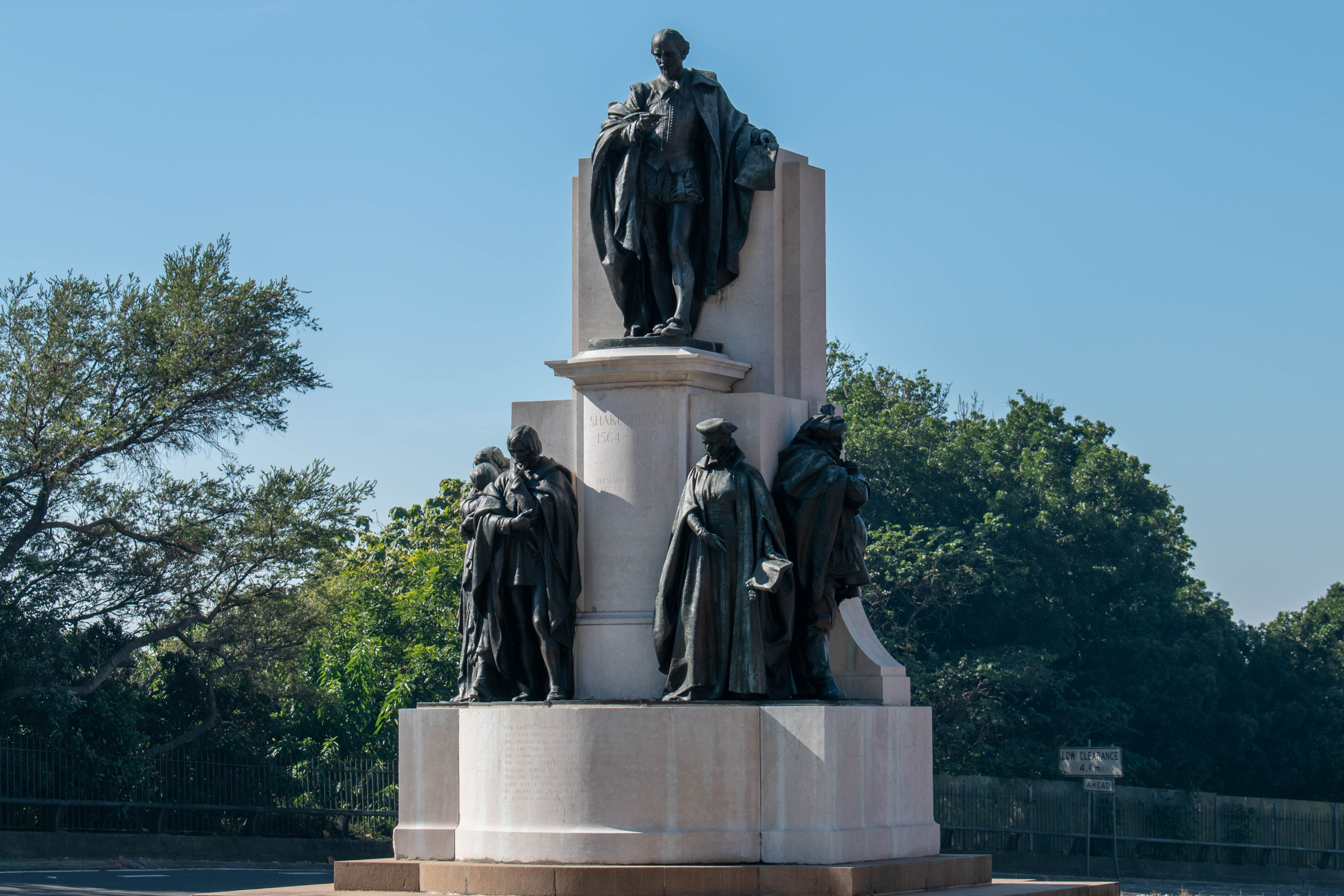
A statue of William Shakespeare and friends
The Calyx is a building located in the Botanical Gardens that hosts botanical displays - the exhibit that we got to experience was focused on carnivorous plants. The exhibit had a number of large, low to the ground planters that had Venus fly traps, sundews, honeydews, and pitcher plants all growing together. There were also a few taller columns that had baskets of large pitcher plants hanging off. A few planters had fountains that were spraying out a light mist to keep the plants moist, but also added to the ambience of the display. I remember writing a report on these plants in junior high school, and so it was really neat to see all the different types of plants in person. Interestingly, a number of them are not native to Australia but are North American; coming all the way around the world just to see a plant native to North America was a bit amusing.
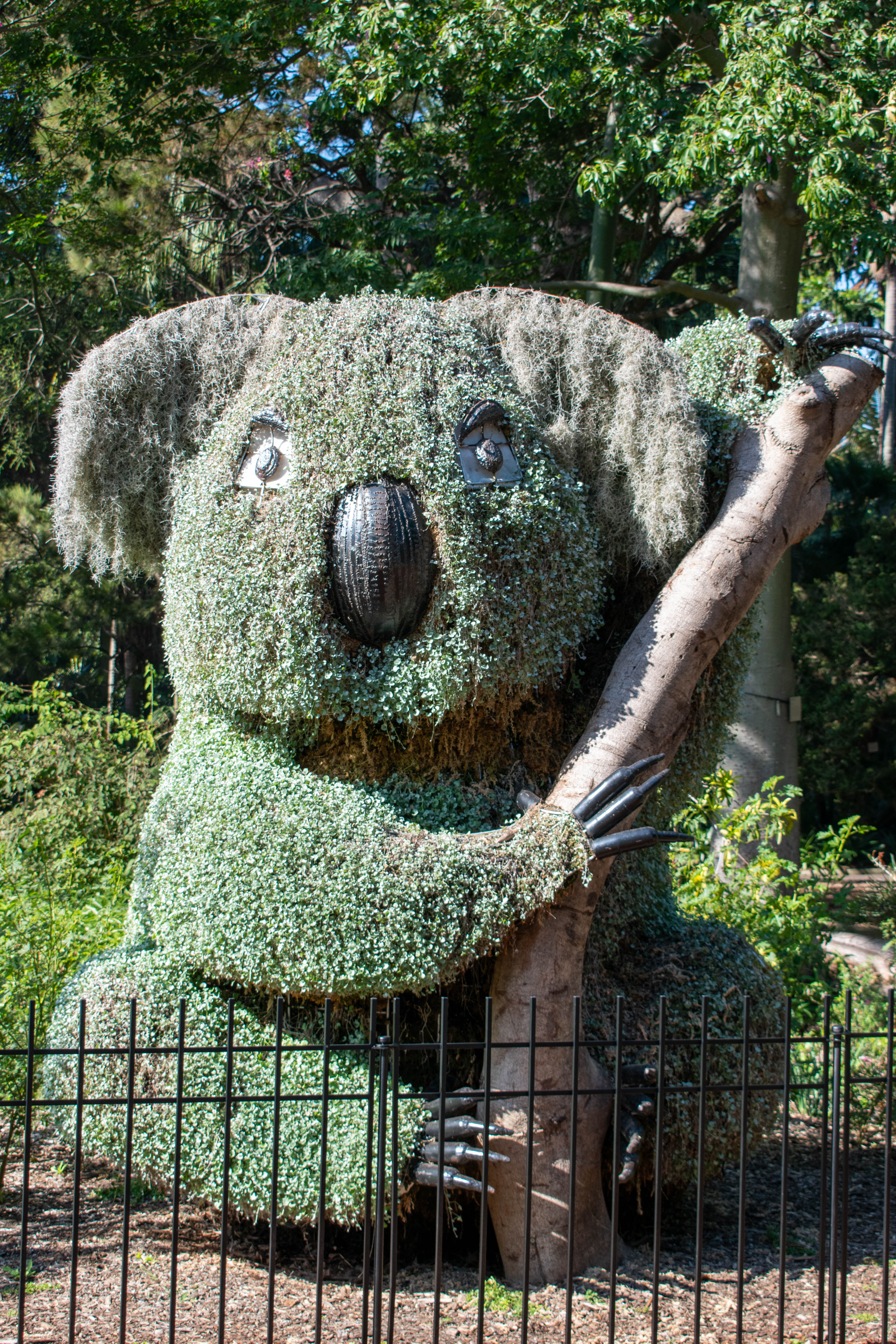
A koala plant at the entrance to the Calyx
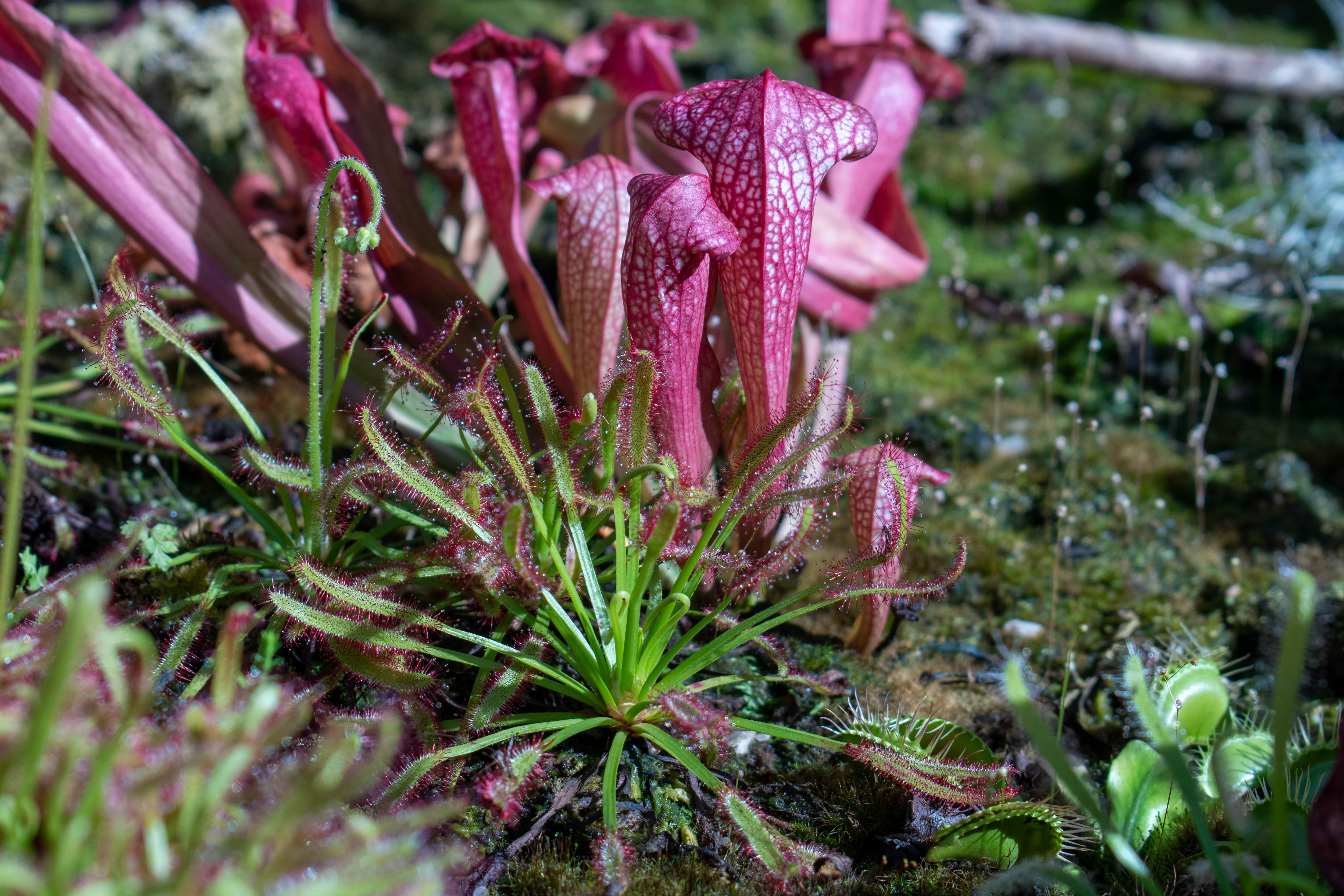
Pitcher plants, sundews and Venus fly traps
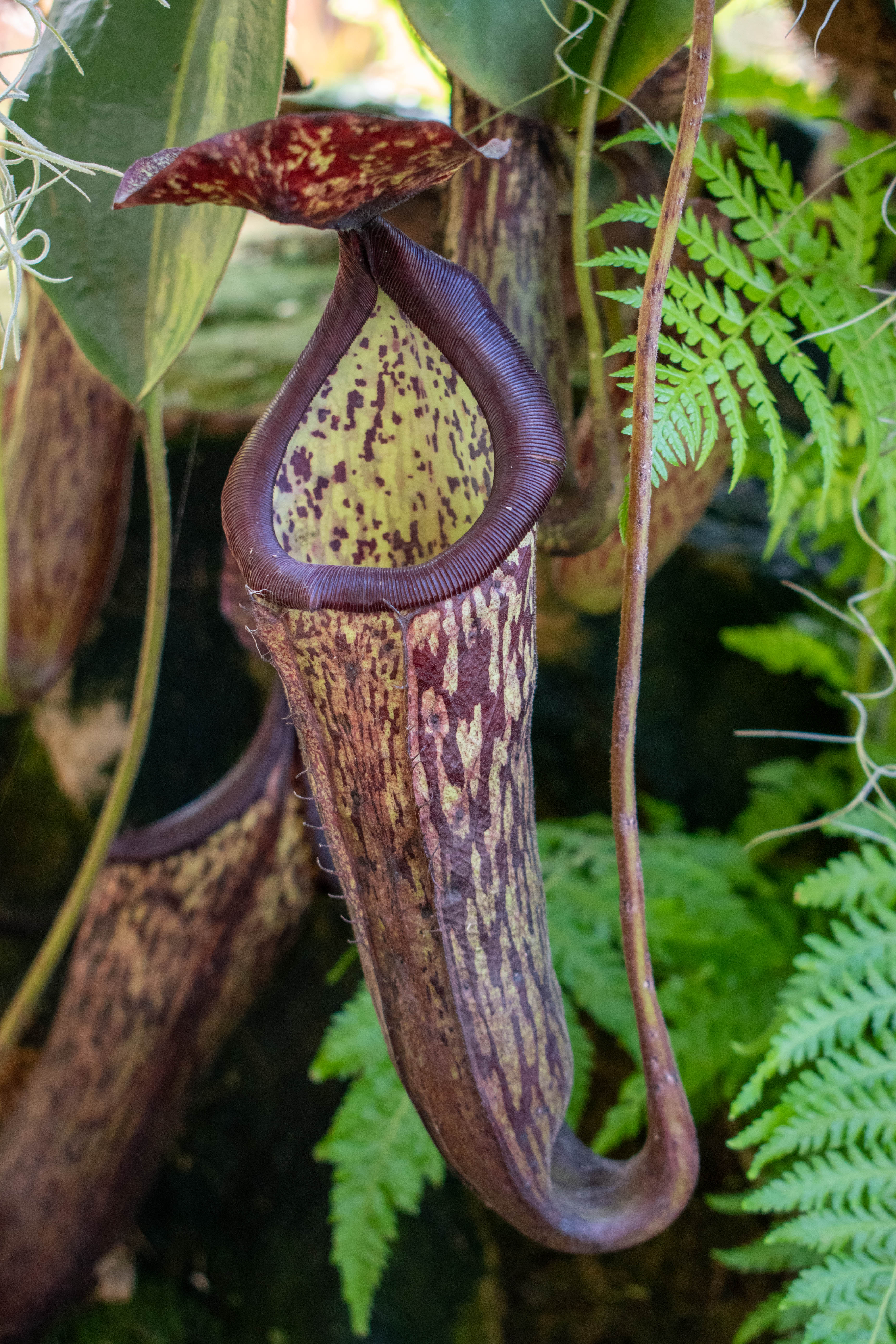
A hanging pitcher plant
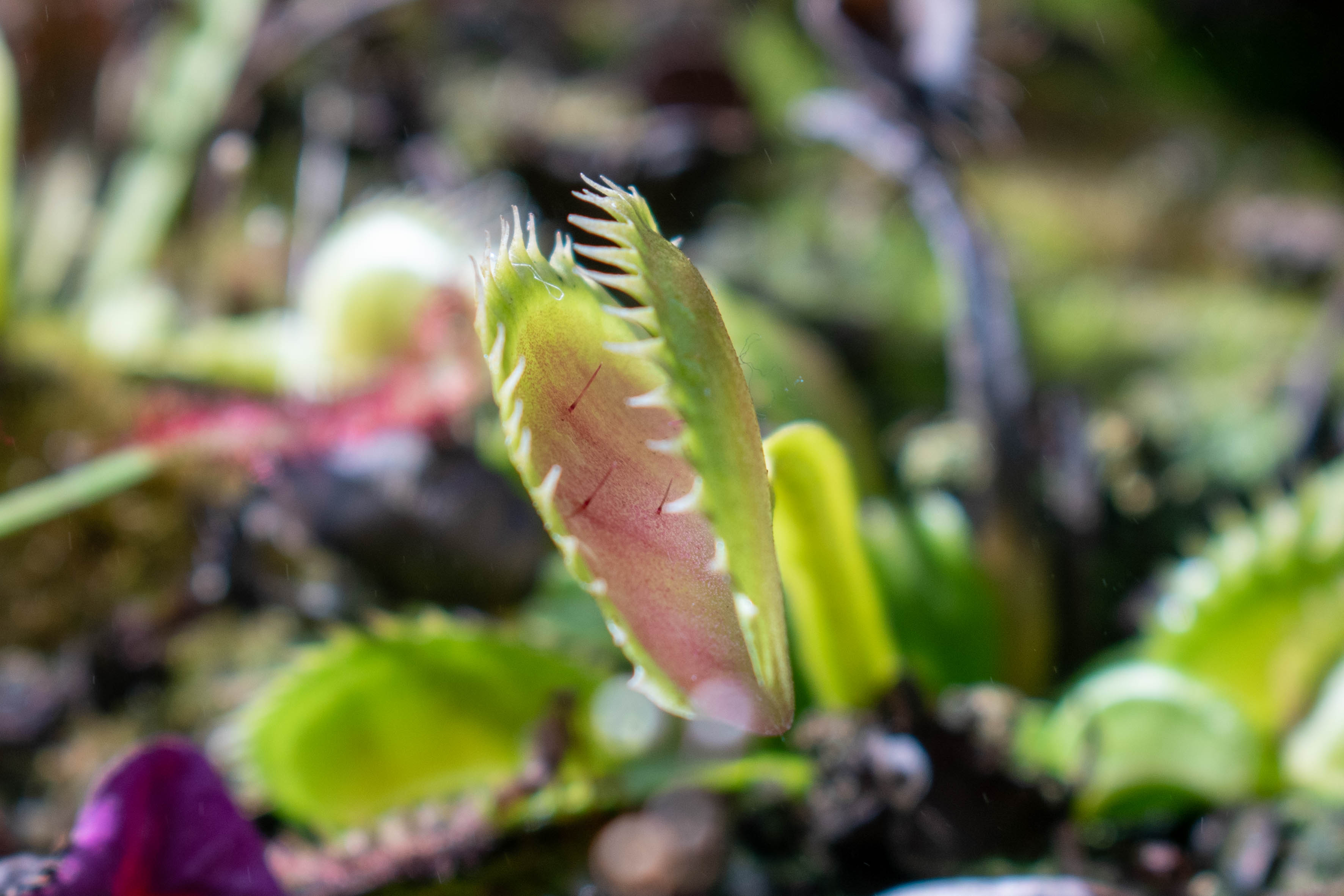
A Venus fly trap
By the time we had finished touring through the exhibit at the Calyx Mass at St. Mary’s had concluded, so we walked back through the park on our way to the cathedral. The church was impressive both on the inside and out; after taking some time to really appreciate the stained glass windows and the architectural details we continued on.
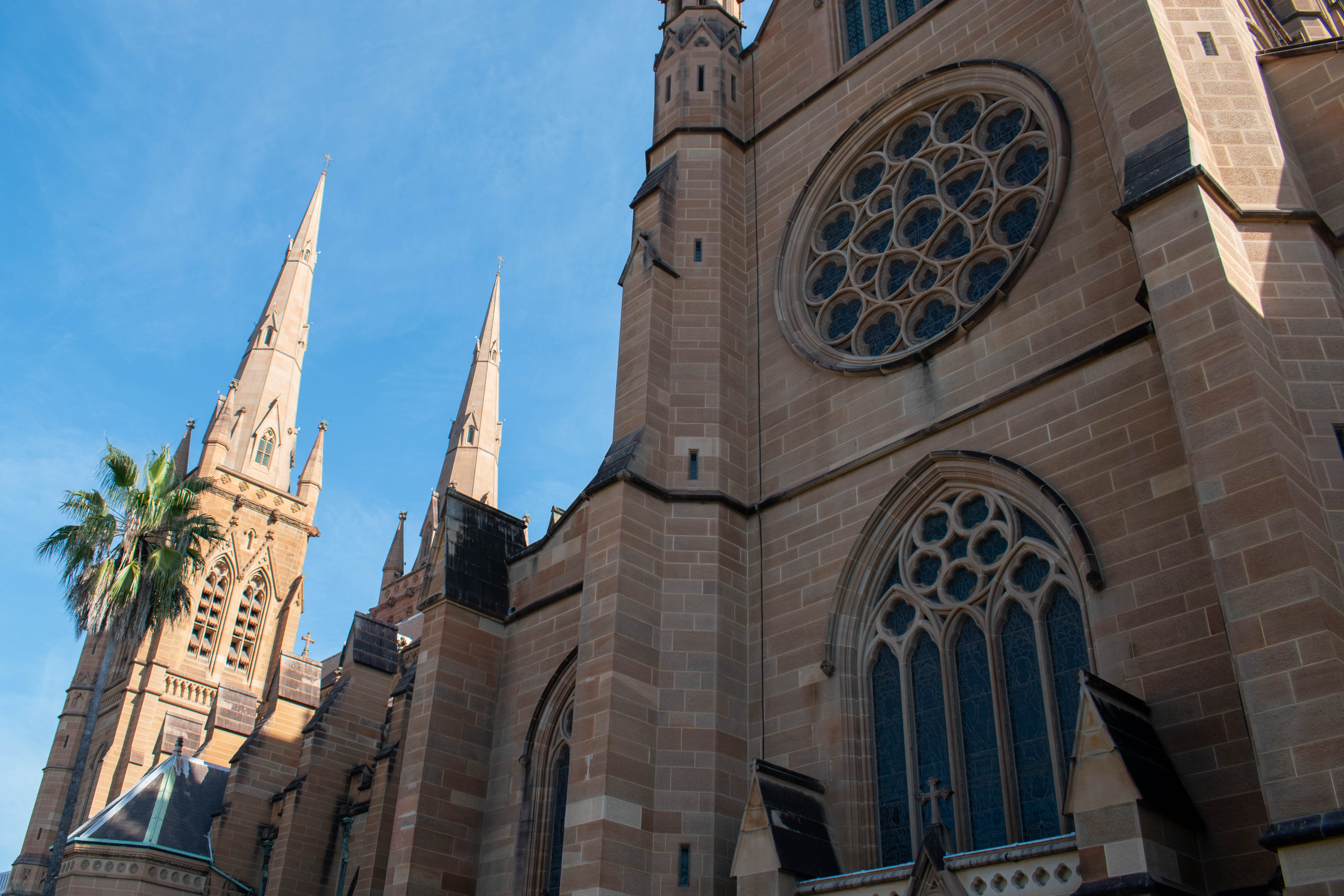
St. Mary's cathedral from the east
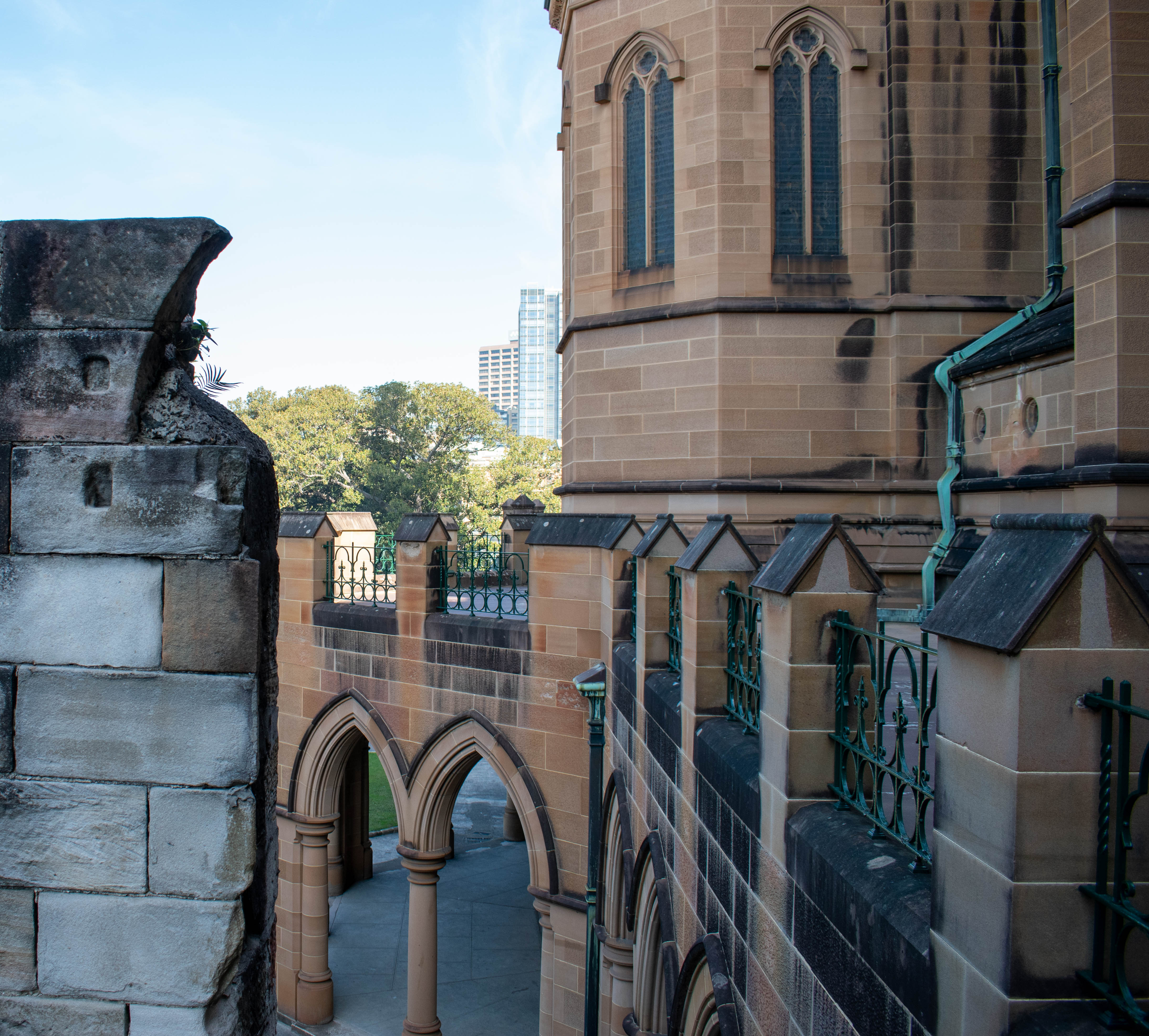
An old wall of the cathedral building is still standing
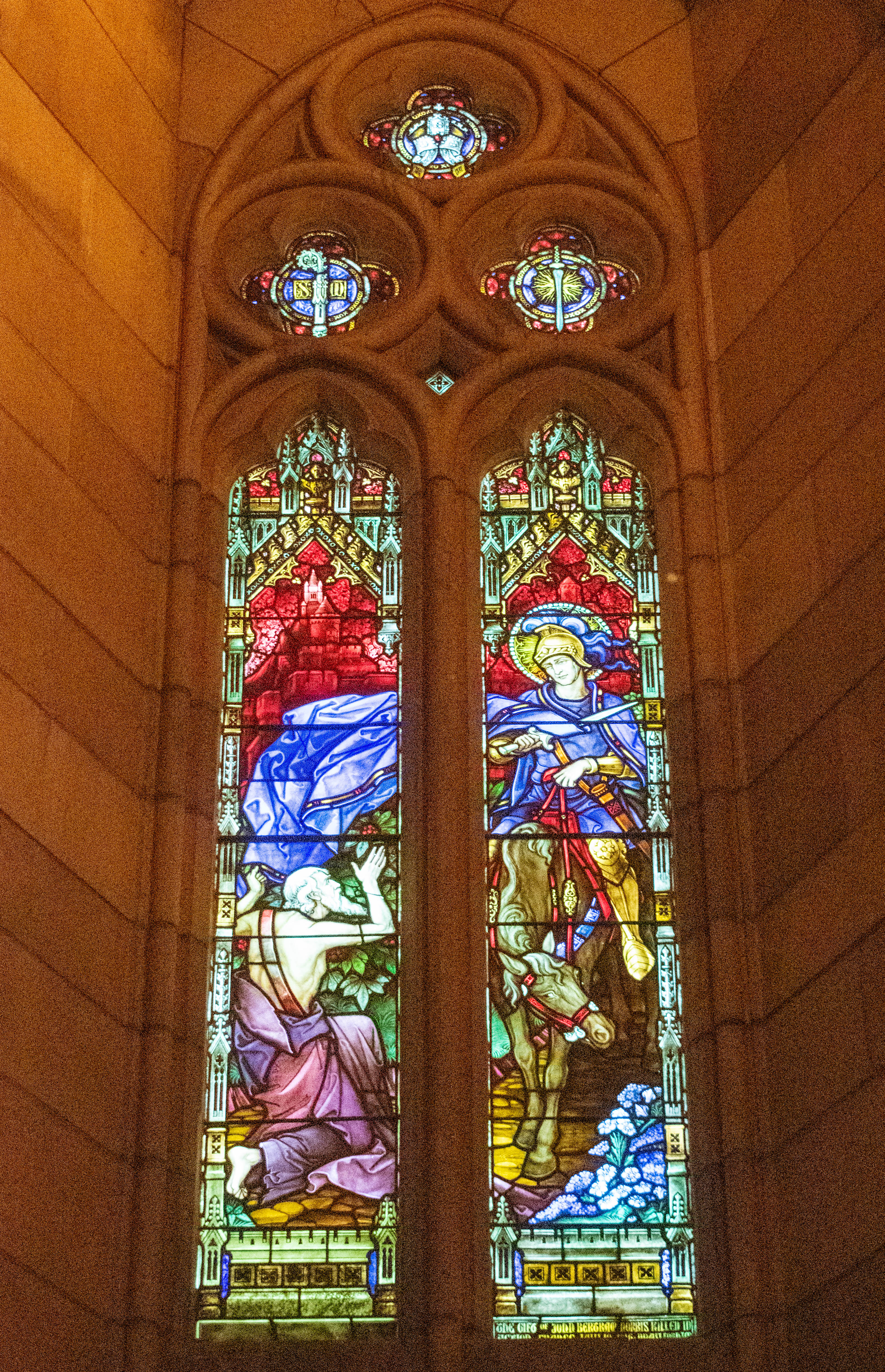
A stained glass panel in the cathedral
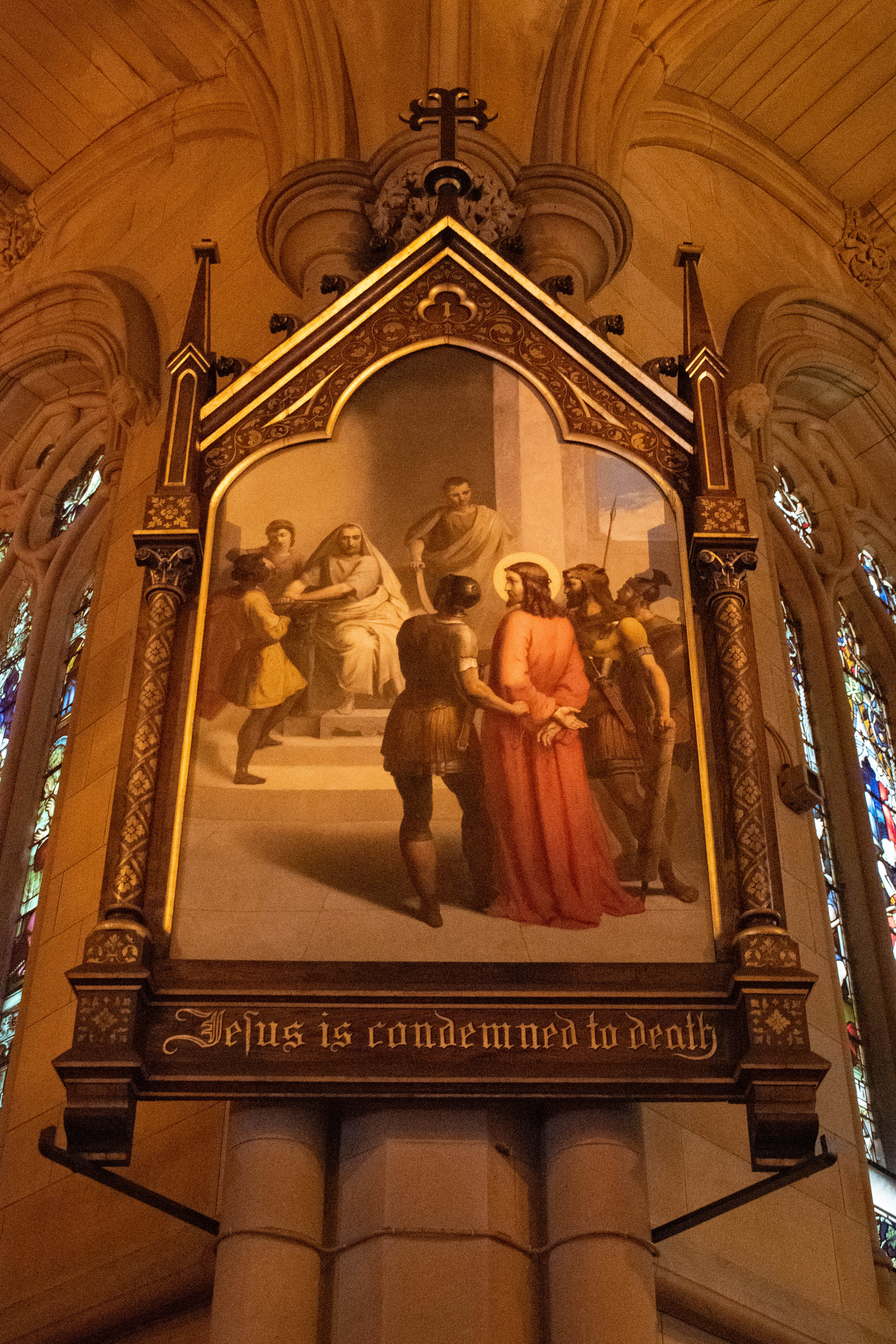
Artwork in the cathedral
Our next stop was the Museum of Modern Art, near Central Quay. As we were leaving the cathedral we noticed that it was 12:30 and we were getting hungry, so we stopped to get a bite to eat along the way. We had lunch at a cafe not far from the courthouse, which was a nice time to sit and rest our legs. We spent about half an hour eating lunch, then continued on. We walked down Martin Place, passed the cenotaph, and the took George Street down to the waterfront. There was a fair bit of construction on George Street; they were installing some LRT tracks and several stations along the road. We reached the Museum shortly before 14:00, which gave us shortly over an hour to view the exhibits. There were a number of interesting pieces to appreciate; some noteworthy ones include a series of manta ray carvings ‘swimming’ under a sea of crystals suspended from the ceiling, a set of small metal tubes connected to rope that had a computer case fan attached halfway down, causing the metal tube to fly about and hit other objects arranged near it to create music, and a set of thirty or so metals poles that were all connected to a synthesizer that used contacts amongst the poles to create music.
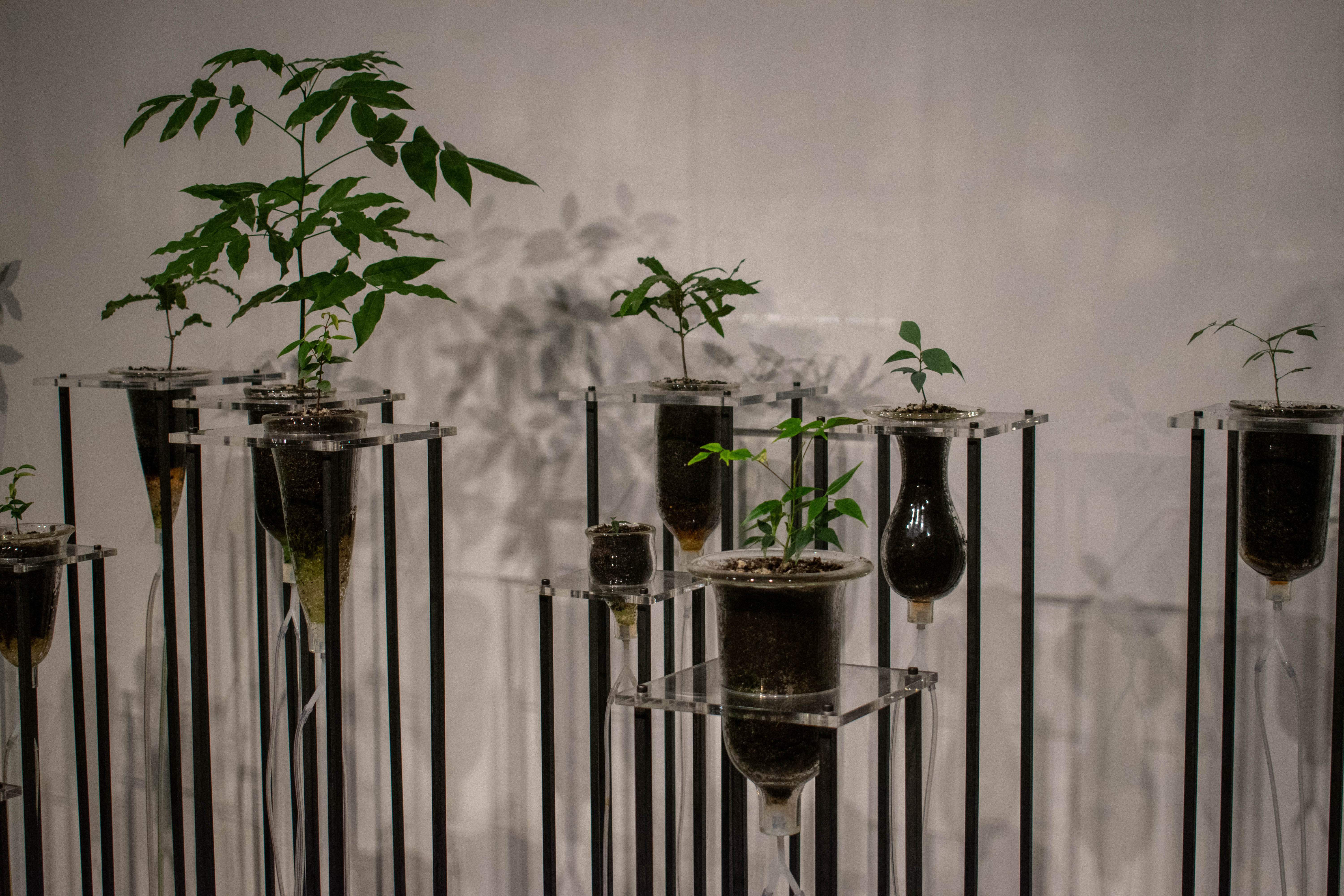
Handblown glass planters
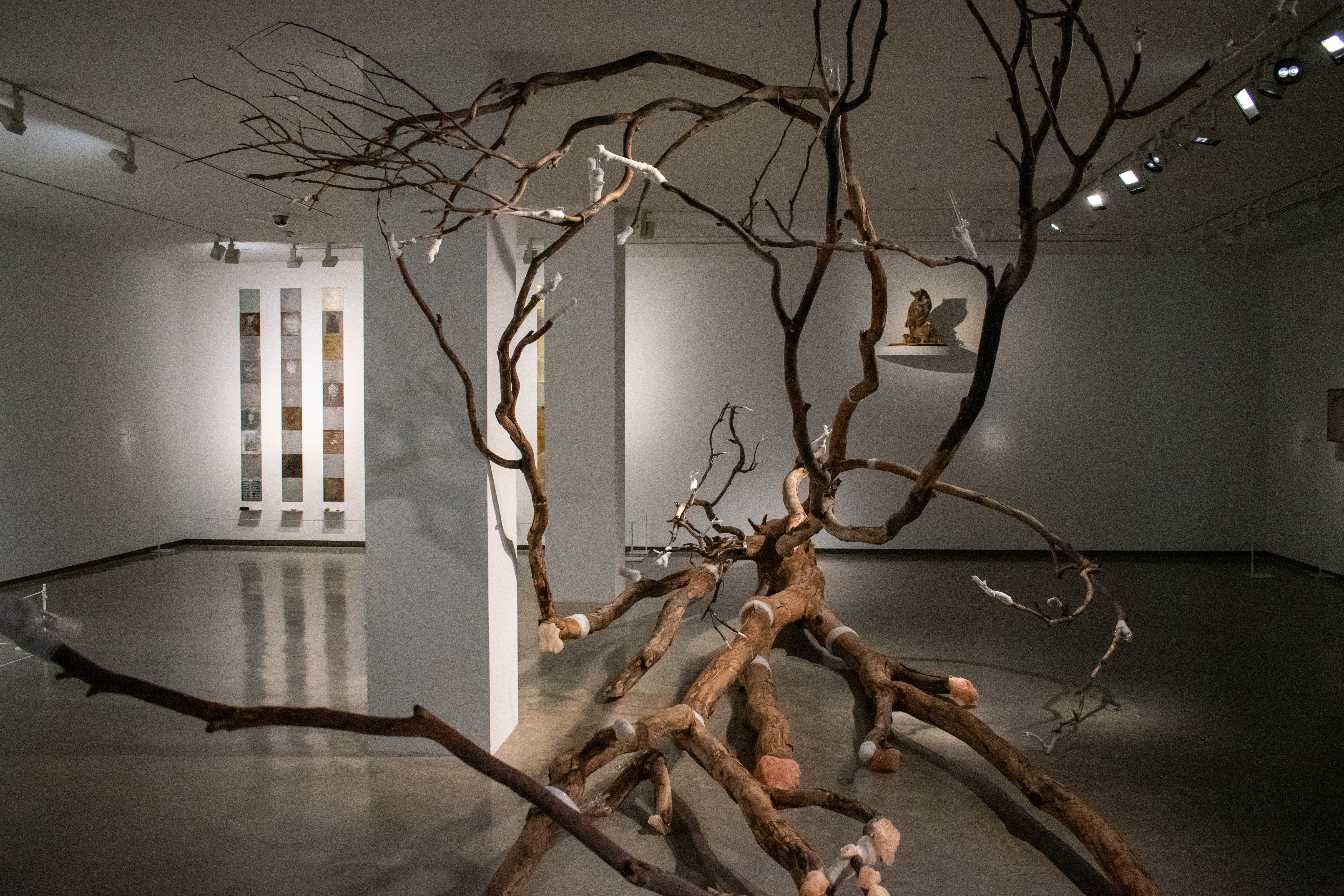
A large tree trunk that had been carefully reassembled in the space
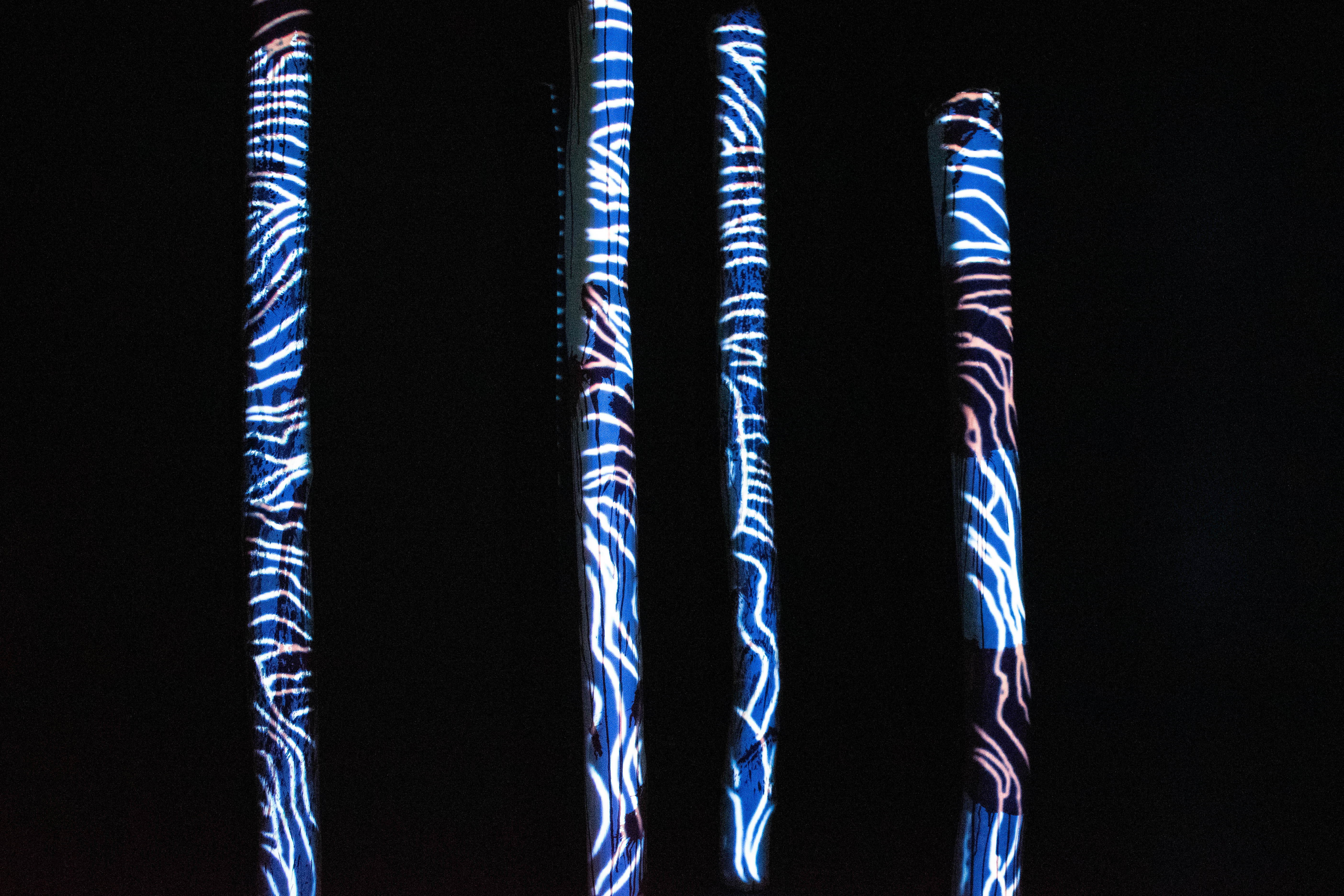
Light patterns projected onto tree trunks
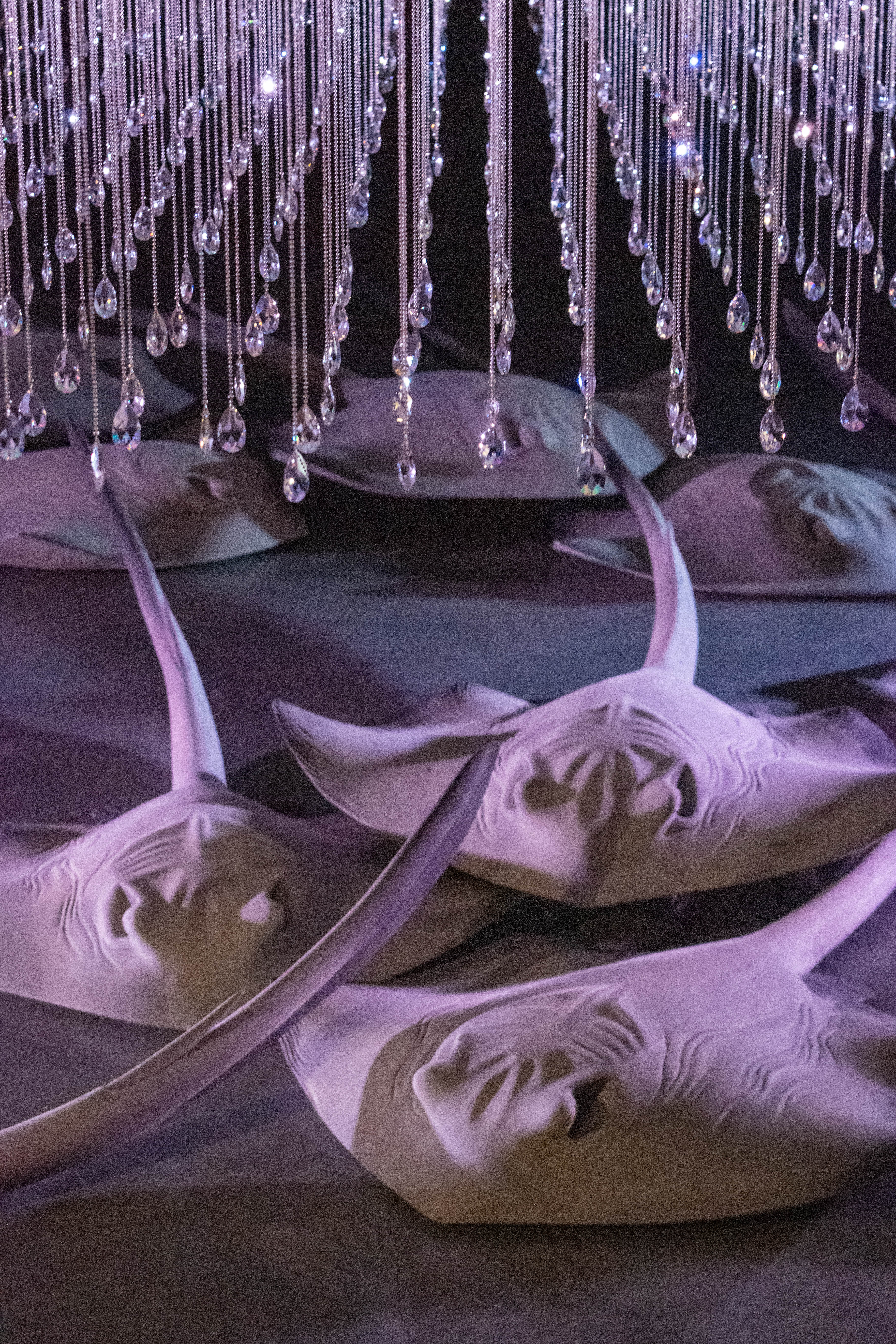
Manta rays swimming under the crystal sea
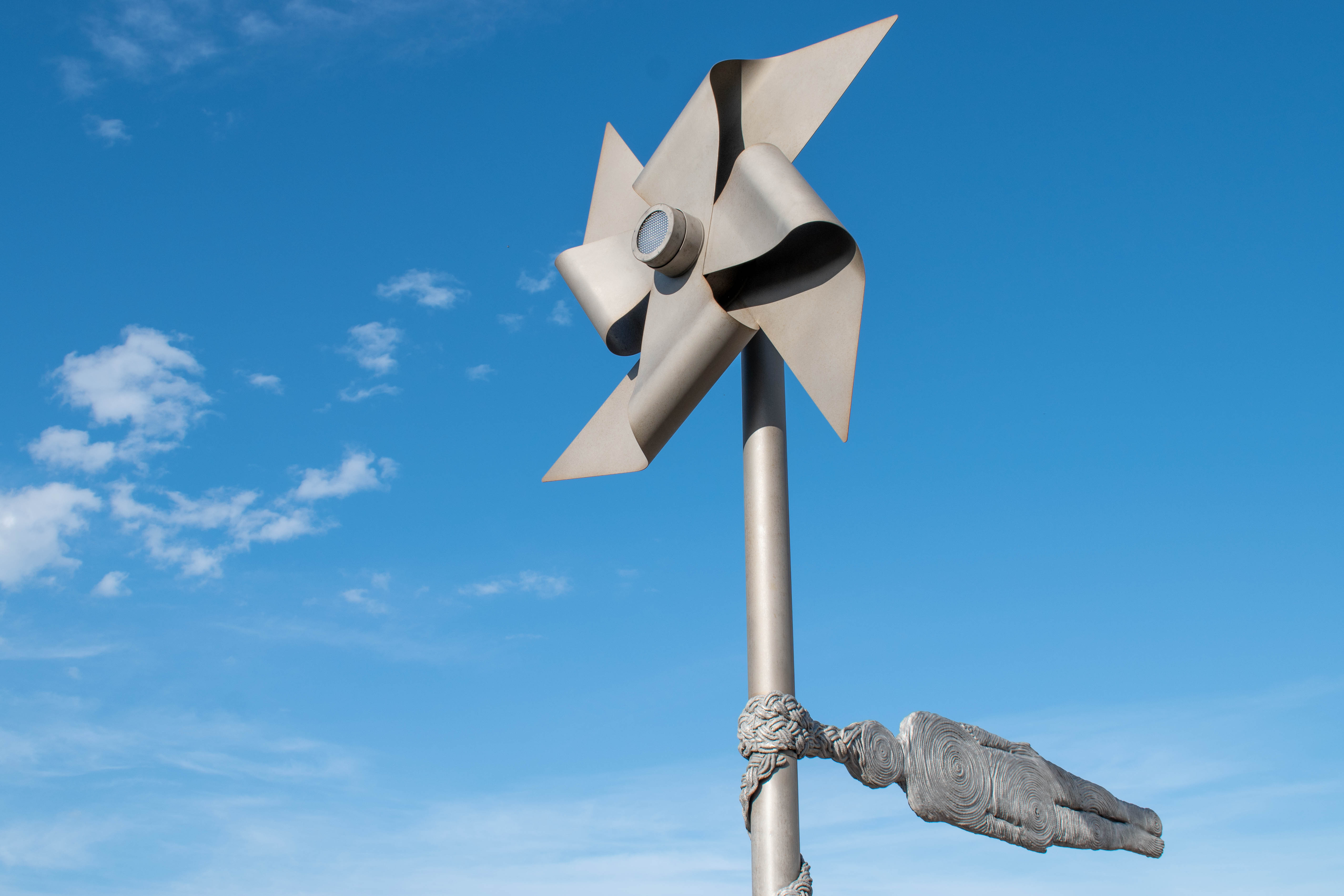
A wind vane outside the museum
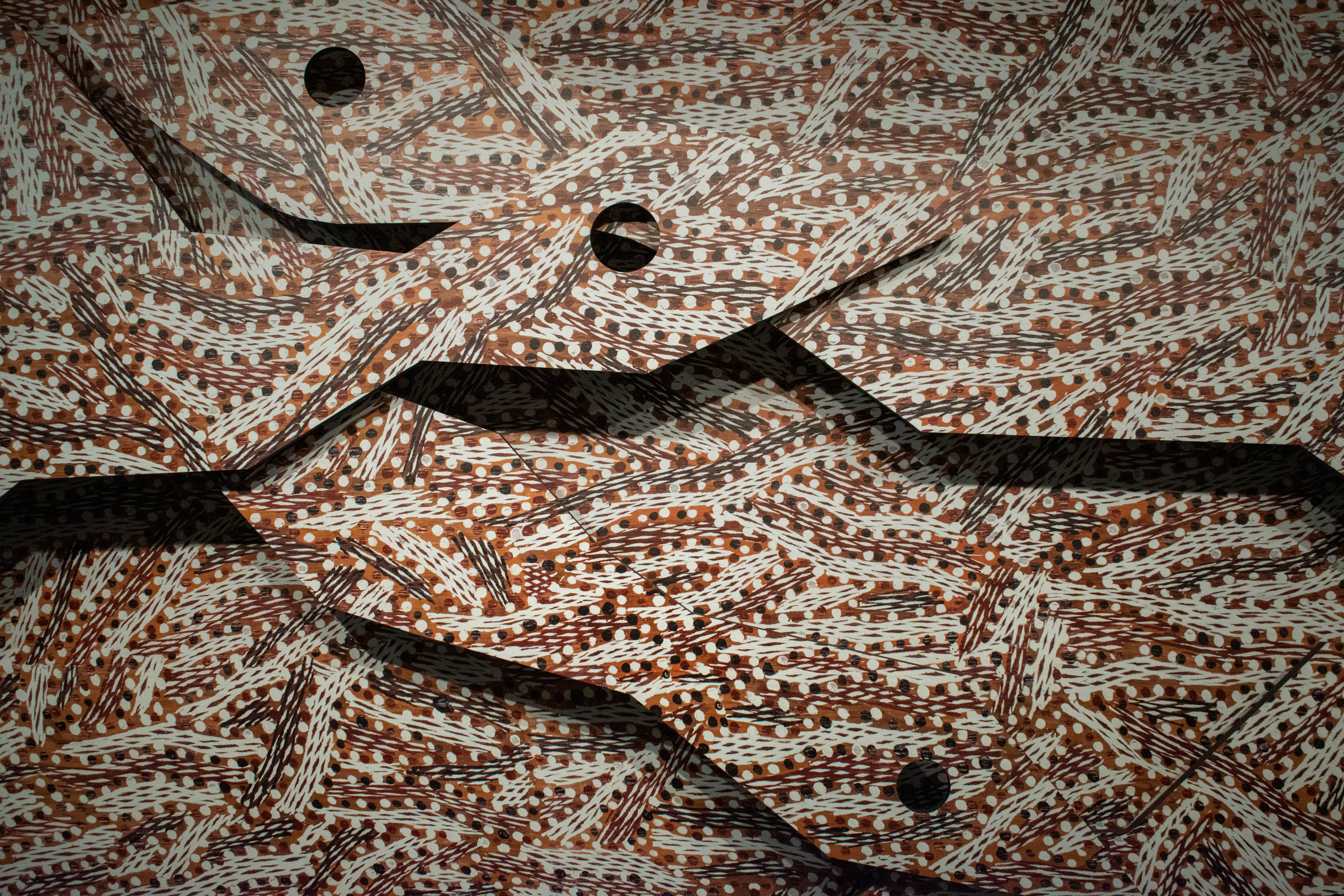
Art
The museum was a fun visit, and definitely worth stopping at, but we didn’t feel that we had really missed anything when we left an hour later. We took the short walk up Argyle Street and the Arglye Stairs to reach our next destination - the Sydney Bridge Walk. The entrance to the walk is based in a support arch underneath the bridge itself, and it is an impressive structure to walk into. We arrived at the requested time, 15:30, and had a few minutes to relax before getting started. Walking on the bridge isn’t exactly like going for a stroll in the park - it is necessary to remove anything loose from your pockets, don a fetching grey coverall suit, put on a full body harness, and then attach a headlamp and headphones for visibility at night/hearing what the guide is saying. Once we were all suited up we went through a practice ladder they had setup to get people used to walking while tethered to the bridge, and to help make sure people weren’t going to climb down the ladders incorrectly.
The entire preparation process took probably close to an hour, but by about 17:00 we were set and heading out onto the bridge approach span. This early walk was a good way to get into the groove of the climb, and gave us some interesting views of the neighbourhood around the bridge. The first milestone we reached was the pylon supporting the bridge span itself. As we walked into the pylon we learned that the granite encasing the pylon is actually just there for decoration and provides no load bearing value whatsoever. Inside the pylon we had to walk through some pretty narrow passageways in order to reach the ladder which took us from inside the pylon to the support arch of the main span. This was probably the trickiest part to the climb - there were some low beams that everyone had to duck under, and sections of the pathway were very narrow. Nobody in the group had any issues, however, and once the ladder piece of the climb was complete we were standing at the beginning of the span, high above the bridge deck and even higher above the water.
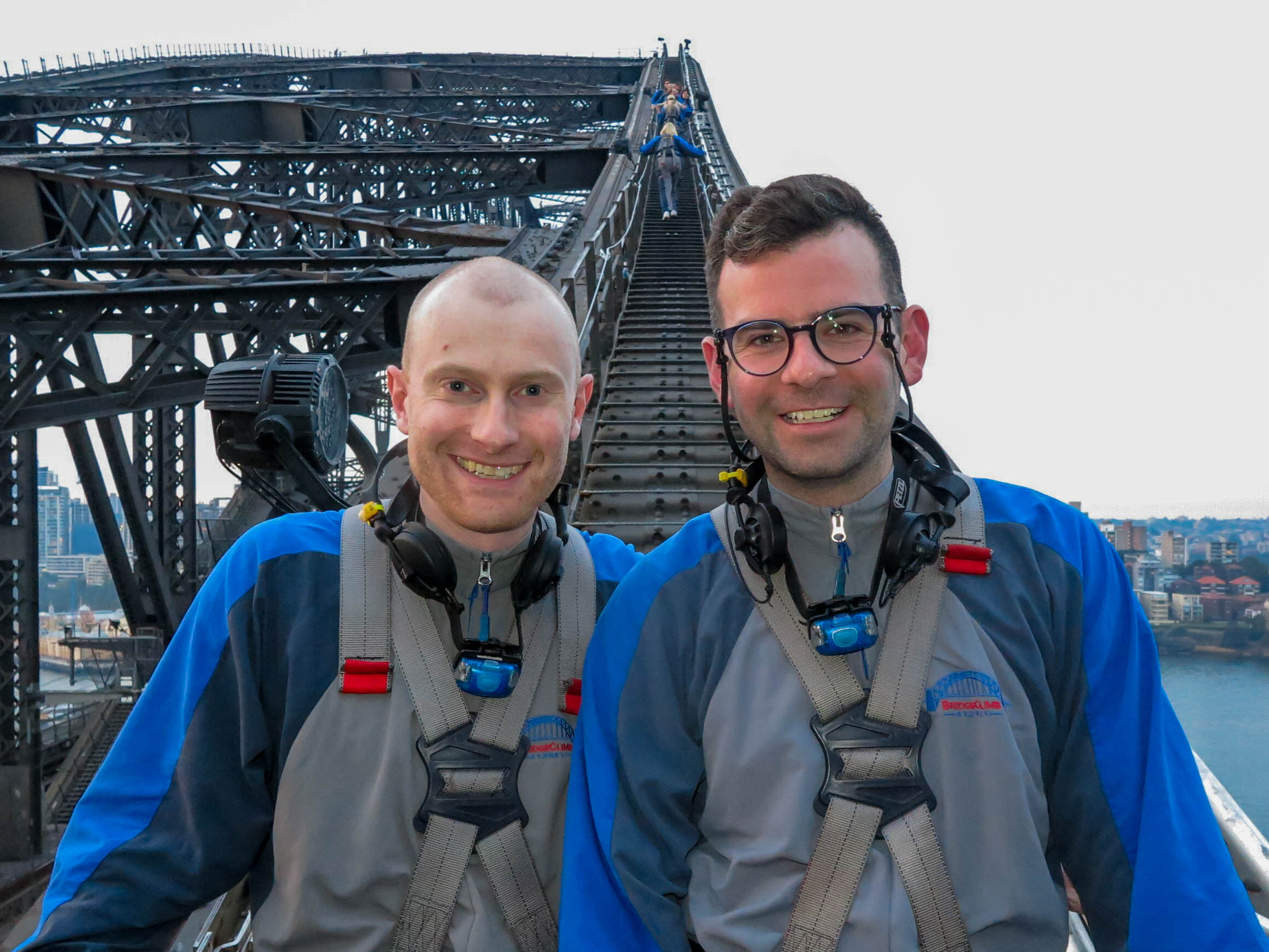
Todd and I at the bottom of the span
This is really where the walk got interesting, as we were actually able to see Sydney proper. The opera house, the central business district, and even north Sydney were all clearly visible. The sun had mostly set by this point, and we were treated to some of the prep work being done ahead of Vivid Sydney. Many of the office towers had light strips installed near their roofs, with high power spotlights pointed upwards at the base of the building to form a synchronized colour display. The bridge itself also had LED strips mounted on the very hand rails we were using for support, which gave the entire experience a very festive vibe. As we climbed higher the sky got darker and the colours became more prominent, really giving us a unique way of experiencing the bridge climb. As we were climbing towards the summit our guide was giving us a bunch of background information on the construction of the bridge, which was fun to listen to. Reaching the top of the 134m bridge structure gave us a fantastic view out over both north and south Sydney, unobstructed by any glass. We were able to spend around ten minutes at the summit looking around and taking in the view - by this point the sun was nowhere to be seen and the colours of Vivid Sydney were in full effect. It was a pretty spectacular moment.
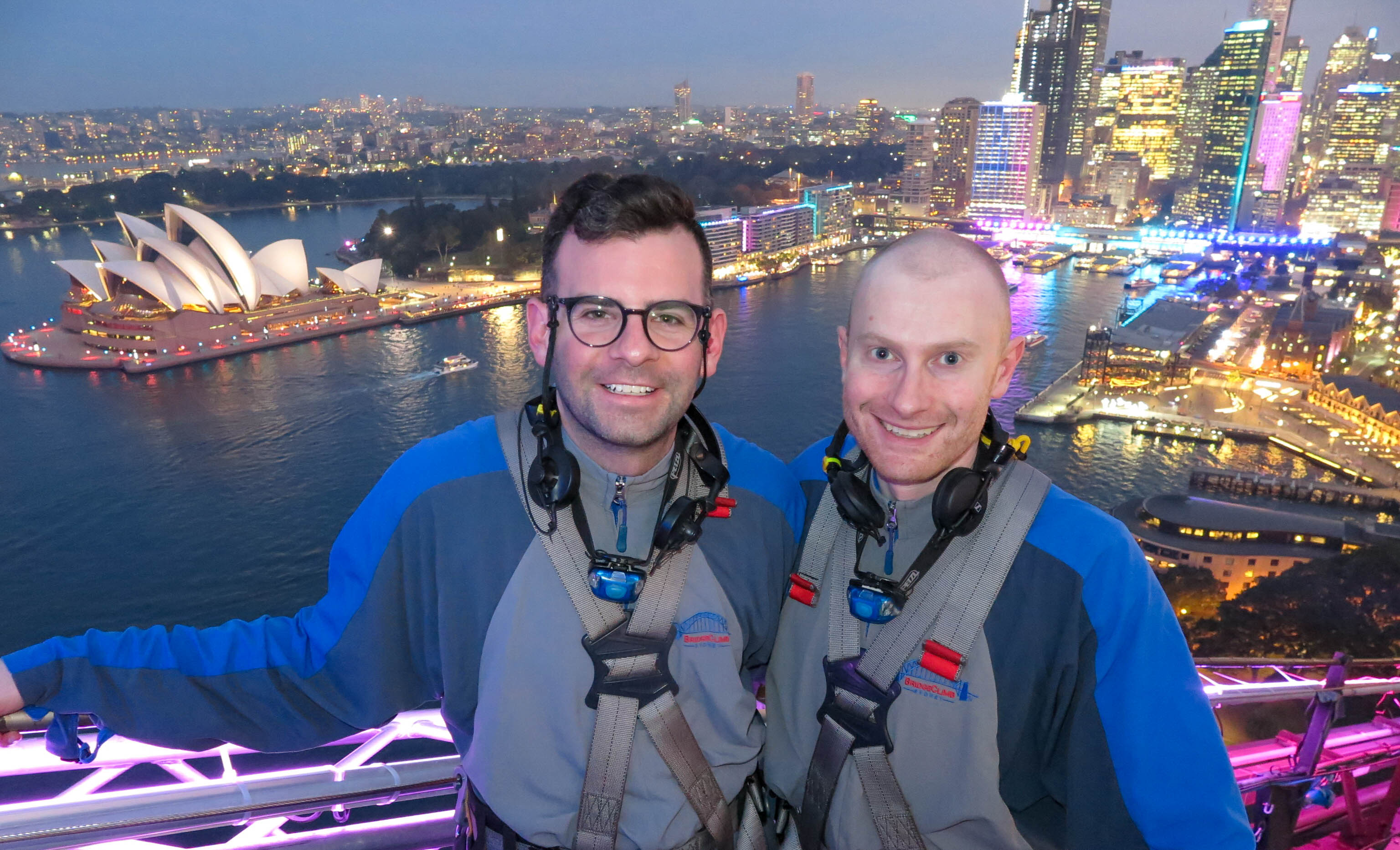
Todd and I at the top of the bridge, with Sydney in the background
Once our stop at the top of the bridge was complete we crossed the bridge to reach the support span on the other side of the bridge deck, and began the climb down. This gave us a great view of the far side of the city, and also gave us a good view of the Luna park right on the north side of the bridge. The Vivid show did not appear to cross the Bradfield highway, so the far side of the city was not lit up with the same colourful displays, but it was still impressive to see. As we descended the ladder after reaching the end of the support span we were climbing right between the two subway tracks that cross the bridge, and I was lucky enough to be on the platform as a train went by. It was a loud and rumbly experience to be so close to a train going full speed ahead on the bridge! The walk back to the building was similar to our approach walk - some tight spaces made more treacherous by the darkness of night but the headlamps helped us find any obstacles and make it back to the departure building safely.
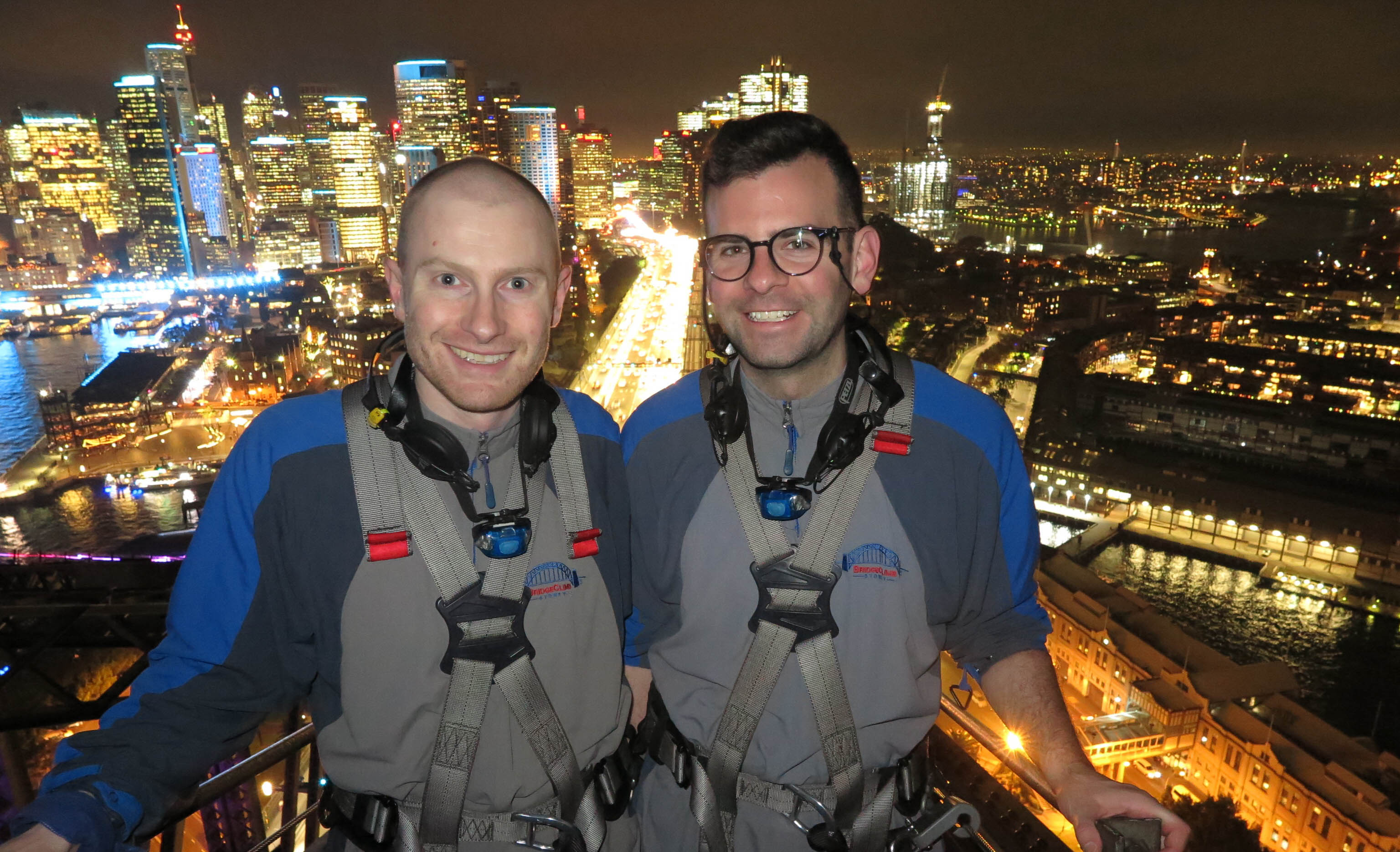
Todd and I on the far side of the bridge, with Sydney behind us
After taking all the equipment off and collecting our things we departed off to find some dinner. It was about 18:45 when we left the building - the entire experience lasted just over 3 hours. We found a nice restaurant that wasn’t far from our hotel where we had a lovely dinner on the patio. Todd had a lamb dish while I had barramundi. I have been trying to find typical ‘Australian’ food without much success, so I decided a somewhat native fish would have to do. We made it back to the hotel shortly before 21:00, where we had some quiet resting before heading to bed.